
MTC awards funding to modernise Bay Area transit systems

San Francisco’s Metropolitan Transportation Commission (MTC) has allocated US$494 million to help more than 20 Bay Area transit agencies replace or rehabilitate aging buses, ferries, rail cars, tracks and bridges; update safety, control and communications systems; install new fare-collection equipment; maintain services for elderly and disabled passengers; and make other capital improvements. The commitment includes US$447 million of federal transportation funds, supplemented by US$47 million of revenues fr
January 28, 2016 Read time: 2 mins

San Francisco’s 343 Metropolitan Transportation Commission (MTC) has allocated US$494 million to help more than 20 Bay Area transit agencies replace or rehabilitate aging buses, ferries, rail cars, tracks and bridges; update safety, control and communications systems; install new fare-collection equipment; maintain services for elderly and disabled passengers; and make other capital improvements. The commitment includes US$447 million of federal transportation funds, supplemented by US$47 million of revenues from the Bay Area's seven state-owned toll bridges.

"Job one for the Commission is what we call 'Fix it First’, which means taking care of the transportation system we already have," explained MTC chair and Santa Clara County supervisor Dave Cortese. "We're also committed to putting federal transportation dollars to work right away. With last month's passage by Congress of the new FAST Act, we finally have some certainty about the level of federal funding coming to the region for the next several years. This allowed us not only to take a big programming action for transit capital priorities in the current fiscal year, but also to begin committing to transit capital investments in upcoming years.”

Among the biggest investments made possible by the new funding are roughly US$50 million for 7357 BART's rail car replacement program; US$17 million to update deteriorating segments of the BART railway; US$97 million to accelerate San Francisco Muni's replacement of dozens of buses and trolley coaches; $36 million for 274 AC Transit to buy 10 new double-deck buses and replace more than 30 of its older 40- and 60-foot buses; and nearly US$17 million to replace two aging San Francisco Bay Ferry vessels. The allocation also reserves about US$52 million for Caltrain's planned replacement of diesel-powered trains with electric vehicles as part of its system electrification and positive train control initiatives.

For more information on companies in this article

Related Content
  • Plans submitted for UK’s Luton Airport Gateway
    March 7, 2017
    Knight Architects and Arup have submitted plans for Luton Airport Gateway; a new bridge which will form part of the US$244 million (£200 million) mass passenger transit (MPT) system linking London Luton Airport with Luton Parkway railway station. The MPT will enable fast, easy access from central London to the UK’s fifth biggest and fastest-growing major airport in 30 minutes by providing a seamless transfer time of just five minutes from Luton Airport Parkway to the airport terminal. The system will be a f
  • New York MTA boosts cycle parking options
    March 2, 2022
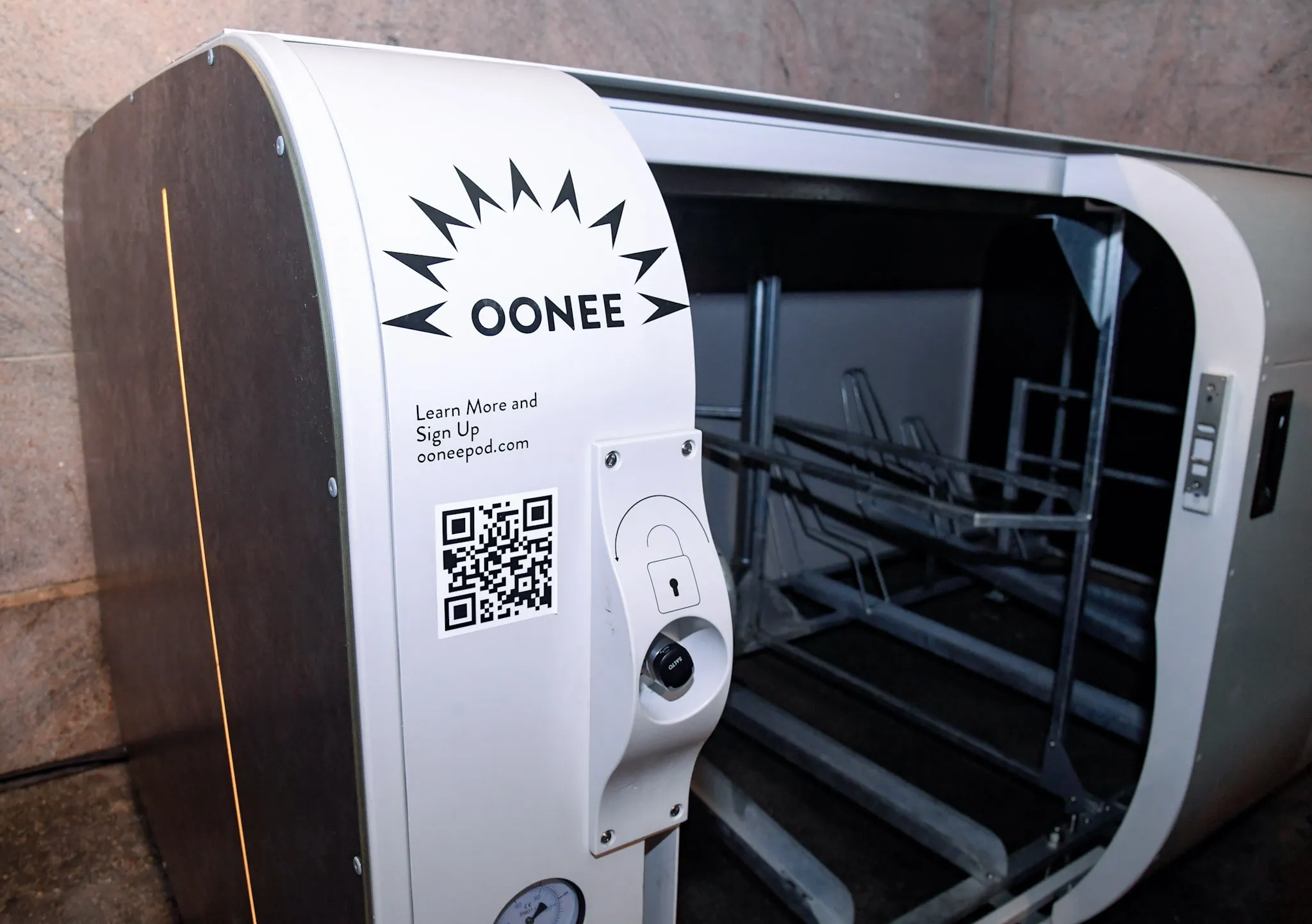
    Grand Central six-space pod is one-year pilot between MTA Metro-North Railroad and Oonee
  • ITS needs continuity at the policy-making level
    February 1, 2012
    ITS needs to be sold to politicians in plainer terms and we need to be encouraging greater continuity at the policy-making level says Josef Czako, chairman of the IRF's Policy Committee on ITS. At the ITS World Congress in New York in 2008, the International Road Federation (IRF) held the inaugural meeting of its Policy Committee on ITS. The Policy Committee's formation, says its chairman, Kapsch's Josef Czako, reflects an ongoing concern over the lack of deployment of ITS technology on roads in anything li
  • Australian tolling industry debates tag replacement
    June 11, 2014
    Australia’s 2014 National Electronic Tolling Conference (NeTC) inspired lively debate among the 130 delegates about tackling the need to replace seven-plus million tolling tags that are reaching the end of their life. In his opening address, Australian Toll Road Users’ Group Chair Rex Wright said the industry was potentially facing a US$94 million bill over the next five years to replace old tags. As Australian tolling authorities operate a harmonious national tag system, all toll operators are committed




