According to a recent report from Pike Research, the trend toward cleaner transit buses will continue over the next several years, and by 2015 the cleantech market intelligence firm forecasts that alternative fuel vehicles will represent more than 50 per cent of the 64,000 total transit buses that will be delivered worldwide during that year, up from 28 per cent of total bus deliveries in 2010.

RSSAccording to a recent report from Pike Research, the trend toward cleaner transit buses will continue over the next several years, and by 2015 the cleantech market intelligence firm forecasts that alternative fuel vehicles will represent more than 50 per cent of the 64,000 total transit buses that will be delivered worldwide during that year, up from 28 per cent of total bus deliveries in 2010.
“Of the various options available for making mass transit cleaner, buses are the easiest to implement because changes can be completed without significant new or upgraded infrastructure. While diesel buses will certainly continue to enjoy a long life, alternative fuel vehicles will soon represent the majority of new bus deliveries.”
“Transit bus fleets are an important area of focus within the broader effort to reduce emissions from mass transit in urban areas,” says senior analyst Dave Hurst. “Of the various options available for making mass transit cleaner, buses are the easiest to implement because changes can be completed without significant new or upgraded infrastructure. While diesel buses will certainly continue to enjoy a long life, alternative fuel vehicles will soon represent the majority of new bus deliveries.”
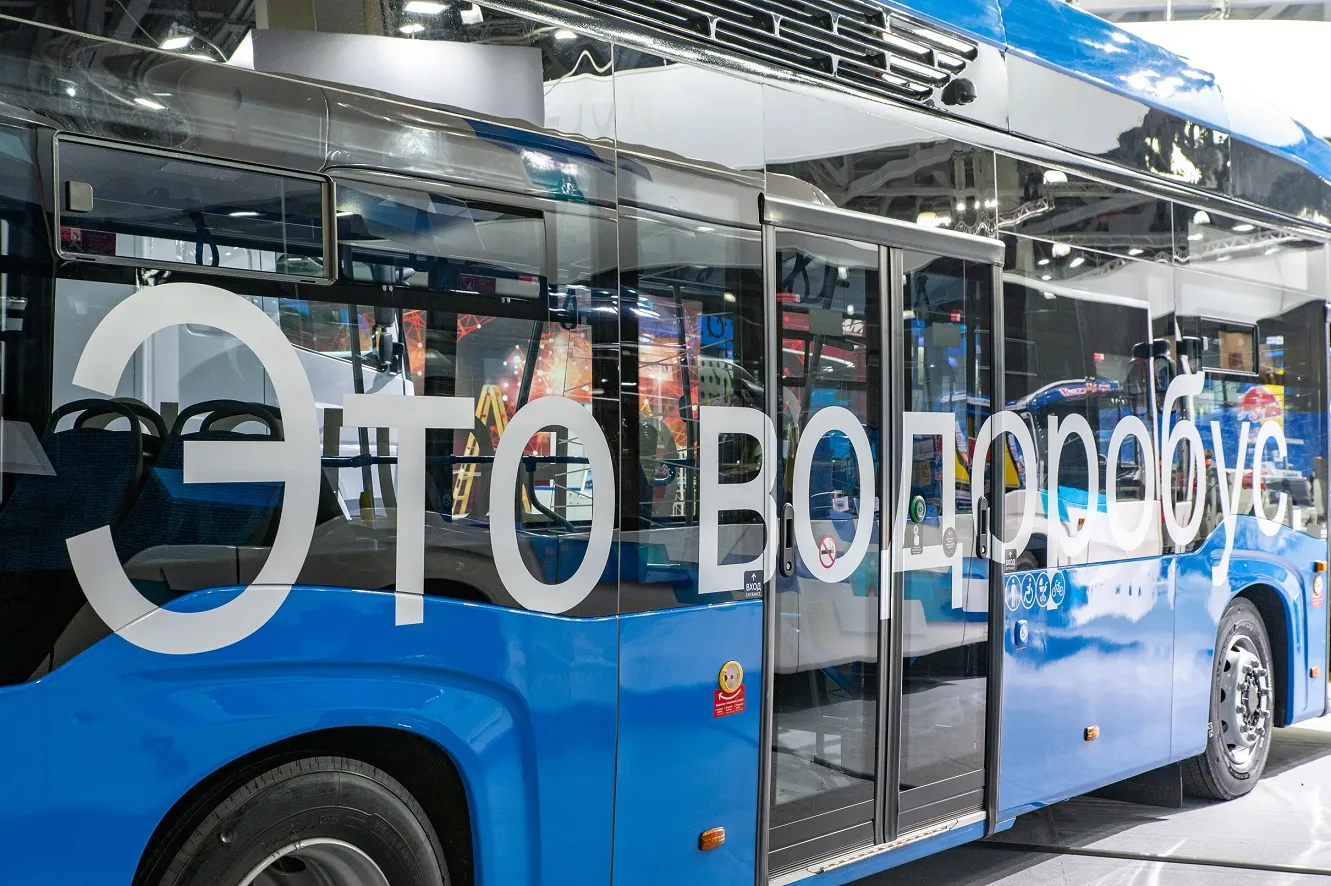
Hurst adds that hybrid electric transit buses have the smallest impact on infrastructure since they typically utilize diesel fuel, but are more expensive than natural gas buses. Natural gas buses are less expensive than hybrids, but require refueling stations. While in some parts of the United States, gas companies will install a refueling station essentially for free, the single refueling point may mean limited range of use for the vehicles. Hydrogen fuel cell buses have a similar limitation because they require a hydrogen refueling point. However, because these buses are often set up as demonstration or prototype fuel cell vehicles, they are located in areas where the fueling is currently available or funding for these projects includes a provision for refueling. The number of fuel cell buses in the world, while growing, remains very small in comparison to other alternative fuels.
Pike Research’s analysis indicates that the highest penetration regions for alternative fuel buses will be North America and Asia Pacific, each of which will boast adoption rates of more than 60 per cent of new buses delivered within the next five years. This is especially significant since the two regions together will represent nearly 70 per cent of all new bus deliveries during that timeframe. Adoption of alternative fuel buses in Europe will be quite a bit lower, representing less than one-third of total deliveries.
Pike Research’s study, “Clean Mass Transit”, examines the opportunities and challenges within the mass transit vehicle market. The report provides a comprehensive analysis of mass transit vehicles, including diesel technology, hybrid battery technology, rail electrification, regenerative braking, government emissions regulations, emerging markets, and key drivers of market growth. The report includes forecasts through 2016 for transit buses, alternative fuel buses, BRT, light rail, rapid transit, and commuter rail by world region. Key market players are also profiled. An Executive Summary of the report is available for free download on the firm’s website.
“Of the various options available for making mass transit cleaner, buses are the easiest to implement because changes can be completed without significant new or upgraded infrastructure. While diesel buses will certainly continue to enjoy a long life, alternative fuel vehicles will soon represent the majority of new bus deliveries.”
“Transit bus fleets are an important area of focus within the broader effort to reduce emissions from mass transit in urban areas,” says senior analyst Dave Hurst. “Of the various options available for making mass transit cleaner, buses are the easiest to implement because changes can be completed without significant new or upgraded infrastructure. While diesel buses will certainly continue to enjoy a long life, alternative fuel vehicles will soon represent the majority of new bus deliveries.”
Hurst adds that hybrid electric transit buses have the smallest impact on infrastructure since they typically utilize diesel fuel, but are more expensive than natural gas buses. Natural gas buses are less expensive than hybrids, but require refueling stations. While in some parts of the United States, gas companies will install a refueling station essentially for free, the single refueling point may mean limited range of use for the vehicles. Hydrogen fuel cell buses have a similar limitation because they require a hydrogen refueling point. However, because these buses are often set up as demonstration or prototype fuel cell vehicles, they are located in areas where the fueling is currently available or funding for these projects includes a provision for refueling. The number of fuel cell buses in the world, while growing, remains very small in comparison to other alternative fuels.
Pike Research’s analysis indicates that the highest penetration regions for alternative fuel buses will be North America and Asia Pacific, each of which will boast adoption rates of more than 60 per cent of new buses delivered within the next five years. This is especially significant since the two regions together will represent nearly 70 per cent of all new bus deliveries during that timeframe. Adoption of alternative fuel buses in Europe will be quite a bit lower, representing less than one-third of total deliveries.
Pike Research’s study, “Clean Mass Transit”, examines the opportunities and challenges within the mass transit vehicle market. The report provides a comprehensive analysis of mass transit vehicles, including diesel technology, hybrid battery technology, rail electrification, regenerative braking, government emissions regulations, emerging markets, and key drivers of market growth. The report includes forecasts through 2016 for transit buses, alternative fuel buses, BRT, light rail, rapid transit, and commuter rail by world region. Key market players are also profiled. An Executive Summary of the report is available for free download on the firm’s website.