
Septa launches 3D fare gates pilot with Conduent

Fare evasion is estimated to cost Pennsylvania transit agency $30-40m each year
By Adam Hill May 20, 2024 Read time: 2 mins
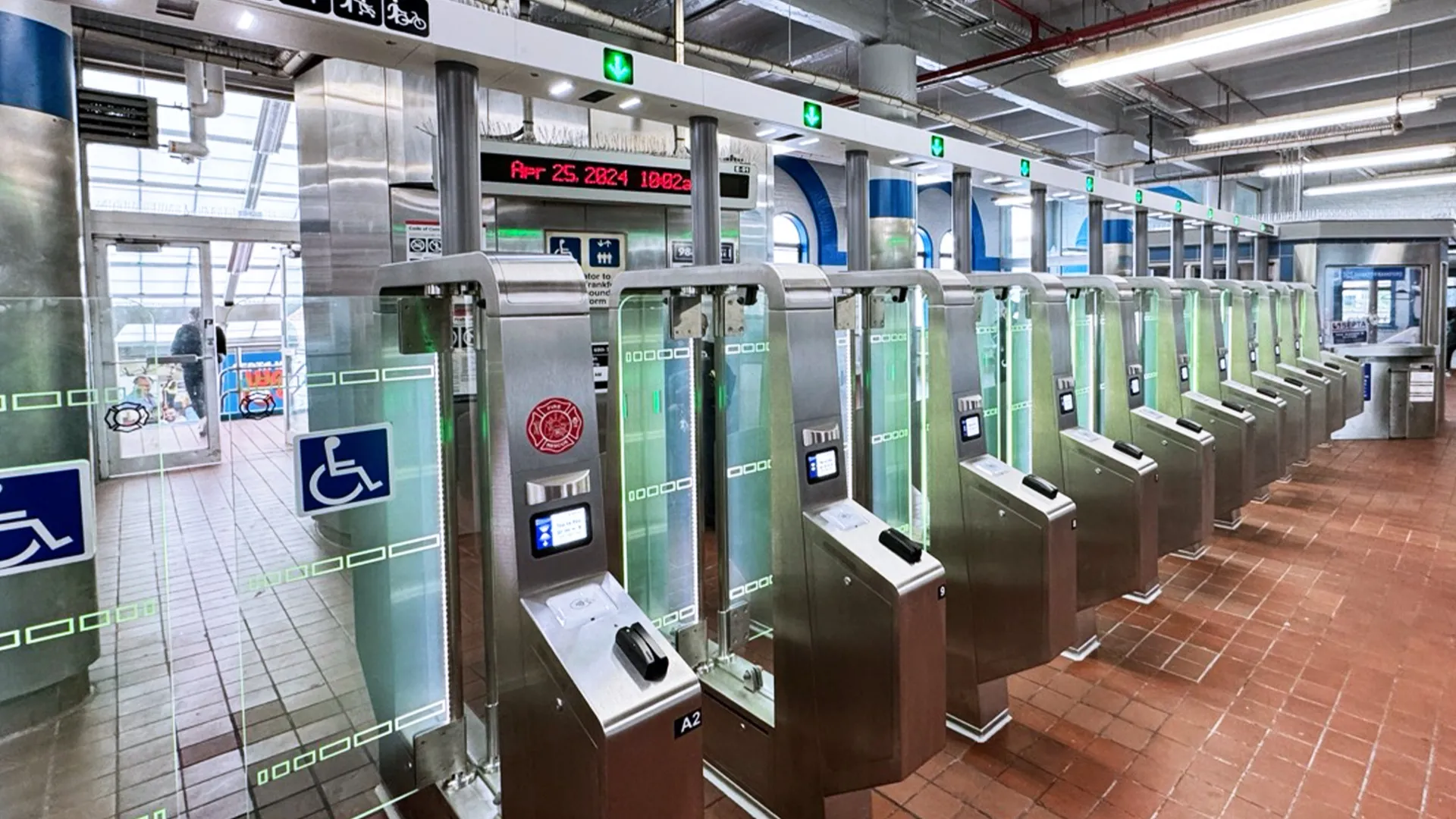
Conduent’s 3D Fare Gate Solution uses 3D detection optical sensors (image: Conduent)

Southeastern Pennsylvania Transportation Authority (Septa) has launched a three-month pilot with Conduent Transportation to stop fare evasion on its transit network - which costs $30 million to $40 million annually.

Conduent’s 3D Fare Gate Solution is installed at a transit station in the Philadelphia area - the 69th Street station in Upper Darby, for riders traveling on the Market-Frankford and Norristown High Speed lines.

The gates - which were also installed in Paris by Transilien SNCF in 2019 - are 7' 8" tall and Septa plans to roll them out at other stations, including those with high reported incidents of fare evasion.

The solution uses 3D detection optical sensors, allowing travellers fast and convenient access, Conduent says - while detecting and deterring ticketing fraud.

The firm adds that the gates give quick access to reporting and analytics, aiding in enforcement decisions.

The solution is ADA-compliant and "improves equity in transportation by improving accessibility for all riders as well as helping to ensure passengers pay their share". 

The pilot will "help detect, deter and quantify fare evasion, while simultaneously offering both the agency and riders increased security and convenience”, says Adam Appleby, president, transportation solutions at Conduent. 

Septa serves five counties in the Greater Philadelphia area and connects to Delaware and New Jersey transit systems. It operates across six transportation modes and has 2,800 vehicles in service, 285 subway and rail stations, plus 13,000 bus and trolley stops.

For more information on companies in this article

Related Content

  • Smarter transport remains key to smart cities
    January 9, 2018
    Colin Sowman looks at some of the challenges and solutions that will provide enhanced transport efficiency in tomorrow’s smarter cities. However you define a ‘smart city’, one of the key ingredients will be an efficient transport system. As most governments and city authorities face financial constraints, incremental improvements in the existing systems is the most likely way forward. In London, new trains and signalling are improving the capacity of the Underground but that then reveals previously
  • Spreading the word about Bike Share in the US
    April 19, 2016
    Smart bike share technology and funding policies help bridge the transit gap through the final mile as Andrew Bardin Williams explains. The sharing economy is coming to Portland this summer. BikeTown, the city’s new bike share program sponsored by Nike, will be launched in mid-July with 1,000 bicycles distributed across 100 stations throughout the city. Originally funded by a $2 million federal grant, the program has been boosted by a $10 million sponsorship deal with Nike ensures funding for the next five
  • Considering accessibility costs little and pays dividends for all travellers
    August 8, 2017
    Catering for those with disabilities can be cost-effective and improve services for all travellers, as David Crawford discovers. Clearer understanding of the economic value of accessible transport is essential if we are to speed up the current slow deployment levels, according to the Paris-based International Transport Forum (ITF), which staged a 2016 round table on the ‘Benefits and Costs of Inclusion in Transport’. It wants to see greater availability of data on levels of actual and unmet demand for acces
  • Singapore aims to set MaaS benchmark
    September 26, 2019
    Delegates at this year’s ITS World Congress in Singapore will be able to experience Mobility as a Service for themselves in the form of MobilityX’s Zipster app




