Work has begun on an ambitious US$8 million project to implement an innovative new electronic tolling system at the UK’s Humber Bridge, where the existing systems have remained largely unchanged since the bridge opened in 1981.
The project is set to be completed by autumn/winter 2014 and will include a major redevelopment of the tolling plaza and systems, together with the creation of some of the first open tolling free-flow lanes in the UK. These will enable drivers to cross the Humber Bridge without s

Work has begun on an ambitious US$8 million project to implement an innovative new electronic tolling system at the UK’s Humber Bridge, where the existing systems have remained largely unchanged since the bridge opened in 1981.
The project is set to be completed by autumn/winter 2014 and will include a major redevelopment of the tolling plaza and systems, together with the creation of some of the first open tolling free-flow lanes in the UK. These will enable drivers to cross the Humber Bridge without stopping and are designed to reduce crossing times and congestion at busy times.
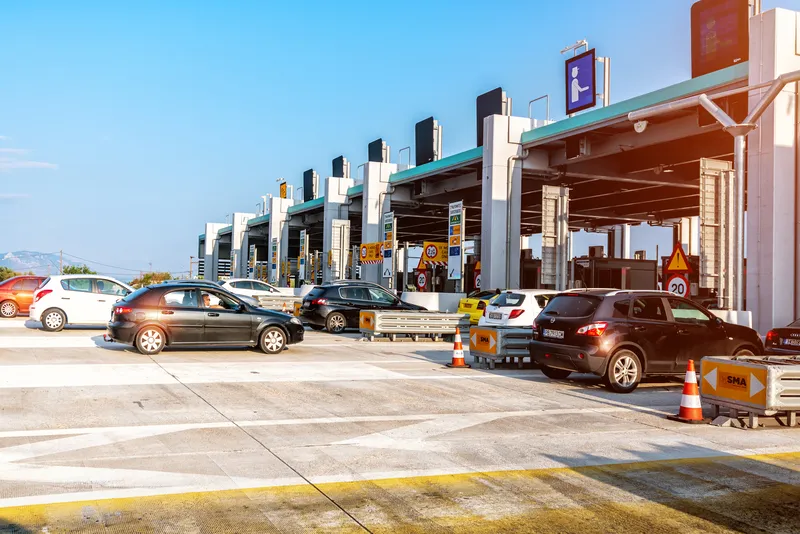
The number of traditional cash tolling booths reduced from six in each direction to three. These will also be redesigned to feature automatic barriers, in an effort to streamline the tolling and crossing process.
Customers opting to use electronic tolling will attach a small tag to their vehicle windscreen, which will be automatically read each time they cross the bridge. These tags will be tied to a customer account, which will then be debited each time they cross the bridge.
Benefits of the scheme include uninterrupted crossing, leading to faster journey times, a way to avoid fumbling for loose change or pre-paid tickets at the toll plaza, improved convenience and a user-friendly toll account.
Peter Hill, general manager and bridgemaster of the Humber Bridge, sees the project as a very positive step, as he explains: “The toll collection system currently in operation at the Humber Bridge has remained largely unchanged for the past thirty years, and still uses a fifteen year-old computer system, along with obsolete equipment and programming technology which requires an increasing amount of maintenance.
“When faced with the unavoidable need to replace the system, we made it our aim to provide bridge users with the most convenient crossing experience possible and opted to bring in a new scheme which will offer a modern, innovative and sustainable solution for the future.”
The project is set to be completed by autumn/winter 2014 and will include a major redevelopment of the tolling plaza and systems, together with the creation of some of the first open tolling free-flow lanes in the UK. These will enable drivers to cross the Humber Bridge without stopping and are designed to reduce crossing times and congestion at busy times.
The number of traditional cash tolling booths reduced from six in each direction to three. These will also be redesigned to feature automatic barriers, in an effort to streamline the tolling and crossing process.
Customers opting to use electronic tolling will attach a small tag to their vehicle windscreen, which will be automatically read each time they cross the bridge. These tags will be tied to a customer account, which will then be debited each time they cross the bridge.
Benefits of the scheme include uninterrupted crossing, leading to faster journey times, a way to avoid fumbling for loose change or pre-paid tickets at the toll plaza, improved convenience and a user-friendly toll account.
Peter Hill, general manager and bridgemaster of the Humber Bridge, sees the project as a very positive step, as he explains: “The toll collection system currently in operation at the Humber Bridge has remained largely unchanged for the past thirty years, and still uses a fifteen year-old computer system, along with obsolete equipment and programming technology which requires an increasing amount of maintenance.
“When faced with the unavoidable need to replace the system, we made it our aim to provide bridge users with the most convenient crossing experience possible and opted to bring in a new scheme which will offer a modern, innovative and sustainable solution for the future.”