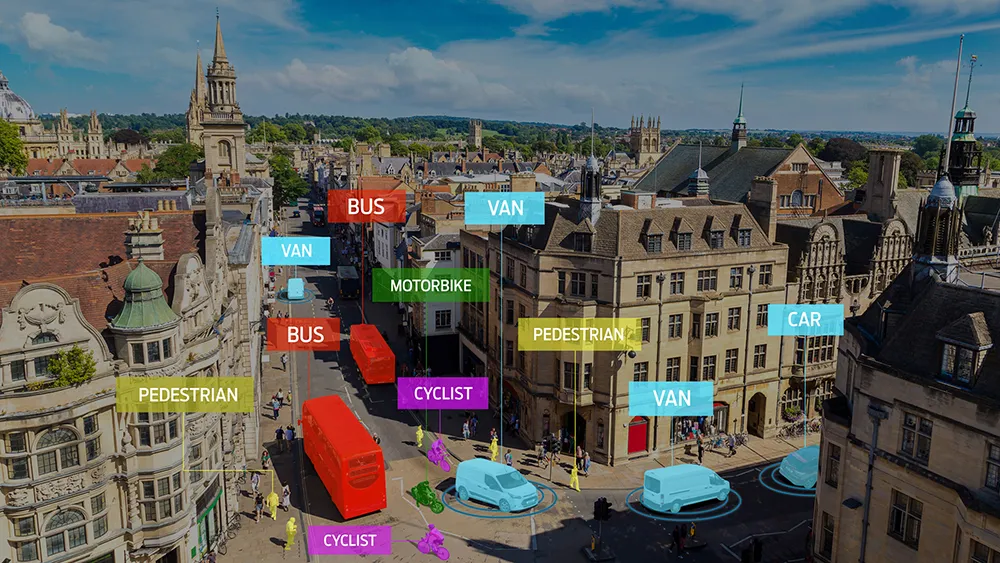
Animation: how much space do cars take up in our cities?

October 1, 2021

Covid has spurred discussion about how we want to live in the future and the reallocation of street space is a major subject for debate.

Today, most of our cities still have a car-centric focus - but this animation by PTV Group shows how long it takes to shift 200 people past a traffic light, using various modes of transportation.

Spoiler alert: cars don't come out of it very well...
For more information on companies in this article

Related Content

  • Oakland moves to curb delivery jams
    January 24, 2023
    Populus allows registered users to share vehicle location data and pay for space seamlessly
  • MaaS would help 33% of Londoners be less dependent on their cars
    January 17, 2018
    33% of car owners surveyed have stated that Mobility-as-a-Service (MaaS) would help them to depend less on their cars, while a quarter would be willing to sell their cars for unlimited access to car sharing for the next couple of years. These findings come Maas Lab’s latest report ‘Londoners attitudes towards car-ownership and Mobility as a Service: Impact assessment and the opportunities that lie ahead'. For non-car owners, 40% of participants said that they would not purchase a car at all if MaaS becomes
  • Verizon plans to launch off-the-shelf telematics
    September 10, 2014
    ‘Bringing connectivity to every vehicle’ was the vision Lowell McAdam (pictured), chairman and CEO of Verizon Communications put before delegates at the second plenary session. He said by 2017 there will be three times more networked devices than people in the world and such connectivity could radically alter transportation. “GE estimates that connected technologies have the potential to reduce the global transportation industry’s demand for fuel by 14%.”
  • Vivacity Labs rolls out AI-controlled junctions
    November 18, 2020
    Vivacity Labs has deployed AI-controlled ‘smart’ traffic junctions in Manchester, UK, to enable the increase of active travel modes such as cycling and walking during the pandemic.