
Animation: how much space do cars take up in our cities?

October 1, 2021

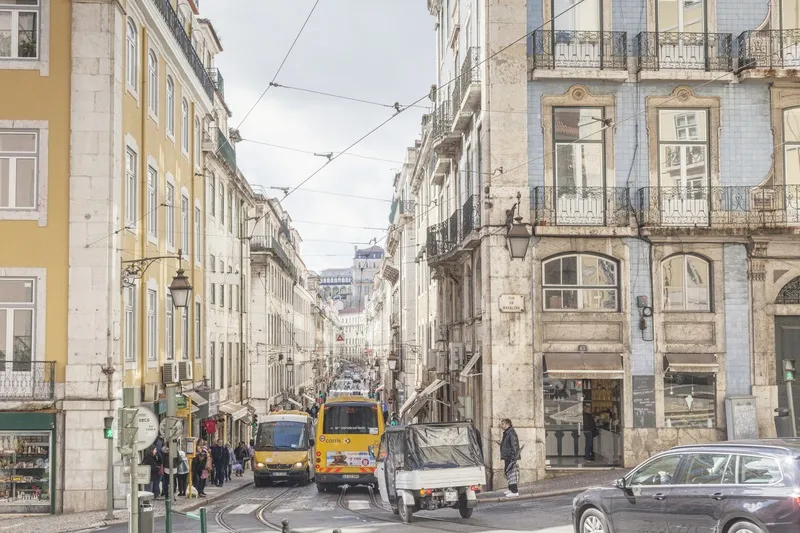
Covid has spurred discussion about how we want to live in the future and the reallocation of street space is a major subject for debate.

Today, most of our cities still have a car-centric focus - but this animation by PTV Group shows how long it takes to shift 200 people past a traffic light, using various modes of transportation.

Spoiler alert: cars don't come out of it very well...
For more information on companies in this article

Related Content

  • Lisbon & Stockholm implement Open-seneca
    October 1, 2020
    Experimental air quality monitor wins Women4Climate Tech Challenge 2020
  • 44th annual ASECAP Study and Information Days
    January 22, 2016
    ASECAP, the European Association of tolled road infrastructures operators, is holding its annual meeting at the InterContinental Hotel, Madrid, Spain from 23-25 May. The event will explore the key role of the toll motorways in ensuring integrated and sustainable mobility in Europe and will offer the opportunity to discuss EU integrated transport approach and, more specifically, on how to meet the challenges towards the EU 2020 Strategy. It will also look into the future of transport from the current interna
  • Most EV charging ‘takes place at home’
    July 30, 2015
    New analysis by plug-in vehicle campaign Go Ultra Low suggests that British motorists could no longer have to rely on the conventional petrol station. More than 90 per cent of electric vehicle (EV) charging takes place at home while total charging volumes have almost tripled since 2014, according to new usage data from leading infrastructure provider Chargemaster. Coupled with bumper uptake of plug-in vehicles – more than 14,500 were registered in the first half of 2015 – the new findings point to the po
  • Student’s road sign revolution
    June 4, 2013
    Nottingham Trent University undergraduate Charles Gale hopes his new hologram road signs which ‘pulse’ at drivers will lead to a revolution in the way motorists are given information on the roads. Utilising lenticular hologram technology, the signs display an animated reflective image which appears to pulse in day or night as road users approach and pass them.




