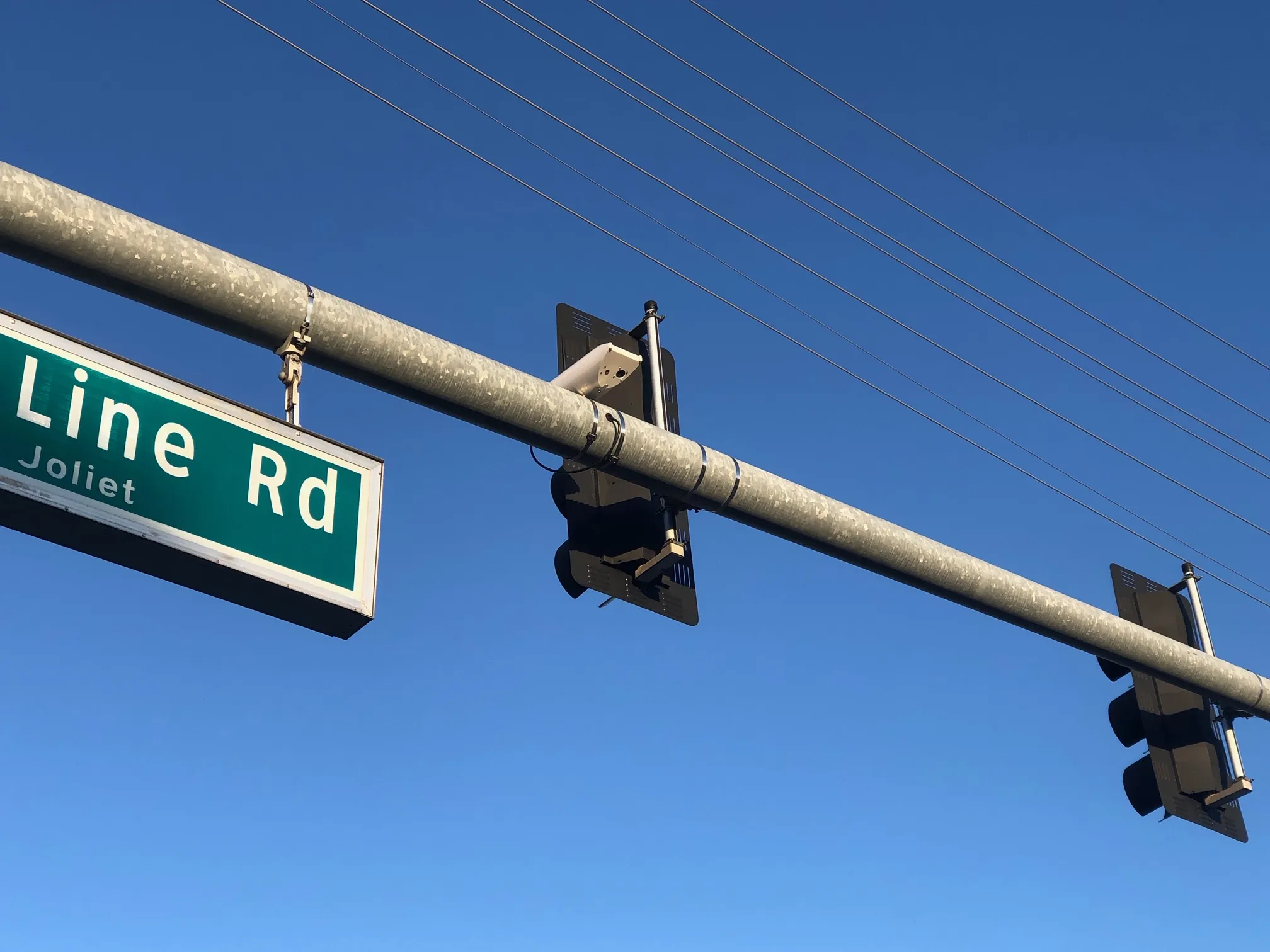
Icoms offers low-cost intersection detection

Intertraffic visitors are the first to see a new radar detector from Icoms Detection – the Belgian subsidiary of IRD. The pole-mounted unit, knows as the TMA-13X, has a range of 80 metres, identifies up to 32 vehicles (targets) across three or four lanes of oncoming traffic and can monitor the route vehicles follow through an intersection. According to the company, one TMA-13X unit can replace multiple loops (approach and stop line) without any roadworks and it functions regardless of light conditions
March 20, 2018 Read time: 2 mins

Intertraffic visitors are the first to see a new radar detector from Icoms Detection – the Belgian subsidiary of IRD. The pole-mounted unit, knows as the TMA-13X, has a range of 80 metres, identifies up to 32 vehicles (targets) across three or four lanes of oncoming traffic and can monitor the route vehicles follow through an intersection.

According to the company, one TMA-13X unit can replace multiple loops (approach and stop line) without any roadworks and it functions regardless of light conditions, rain, snow or fog which can impair video based systems.  The 24gHz (K-band) unit needs to be positioned some 20 – 30metres from the stop line (usually on the opposite side of the intersection) to provide the necessary coverage and up to nine detection areas can be set up using a laptop and a webcam.

One detector is needed per branch to monitor all directions but as they are installed above ground, the overall cost is said to be lower than using loops and easier to install and maintain than cameras. The TMA-13X has an operating range of up to 80metres and a temperature range of -20 to +60°C and identifies vehicles travelling at up to 140km/h and can provide an approximate vehicle count. 

Related Content

  • Wireless bridges widen options for ITS upgrades
    December 9, 2014
    Antaira Technologies’ marketing engineer Brian Roth explains why the increasing capacity of wireless bridges is reducing the cost of expanding and upgrading ITS networks. With more than half of the world’s population now living in cities, the need for efficient transportation of both people and goods has never been greater and that pressure is unlikely to ease any time soon. Indeed in many regions of the world the rate of urbanisation is still increasing as the demand for rural workers continues to decline.
  • Frost gets the picture
    November 20, 2020
    Cameras have been added to the Mini RWIS from Frost Control Systems
  • Moxa provides clear vision for Caldecott Tunnel’s Fourth Bore
    September 15, 2014
    Caldecott Tunnel’s new Fourth Bore is utilising a bespoke high-capacity monitoring and communications network from Moxa. The Caldecott Tunnel connects Contra Costa and Alameda counties in Northern California and traditionally it has suffered severe congestion - especially during peak hours. Opened in 1937 as a twin-bore arrangement, by 1964 the increase in traffic volumes led to a third bore being added. Shortly after the third bore was opened a tidal flow was introduced with the centre bore alternating in
  • The benefits of combining enforcement and traffic management
    February 27, 2013
    Jason Barnes considers how combining enforcement equipment with other traffic management technologies might benefit our future – if only the will were really in place to do so. During the ITS World Congress in Vienna in October last year, Navtech Radar and Vysion­ics ITS announced a strategic partnership that would combine the expertise of Navtech in millimetre-wave wide-area surveillance technology with Vysionics’ machine vision-based automatic number plate recognition (ANPR) and average speed measurement