Welcome to our 20th Anniversary special edition. Over the past two decades ITS International has reported the trials and tribulations of ITS as it has progressively reduced congestion, emissions and journey times and improved road safety.
Indeed many believe the sector is currently ‘living the dream’.
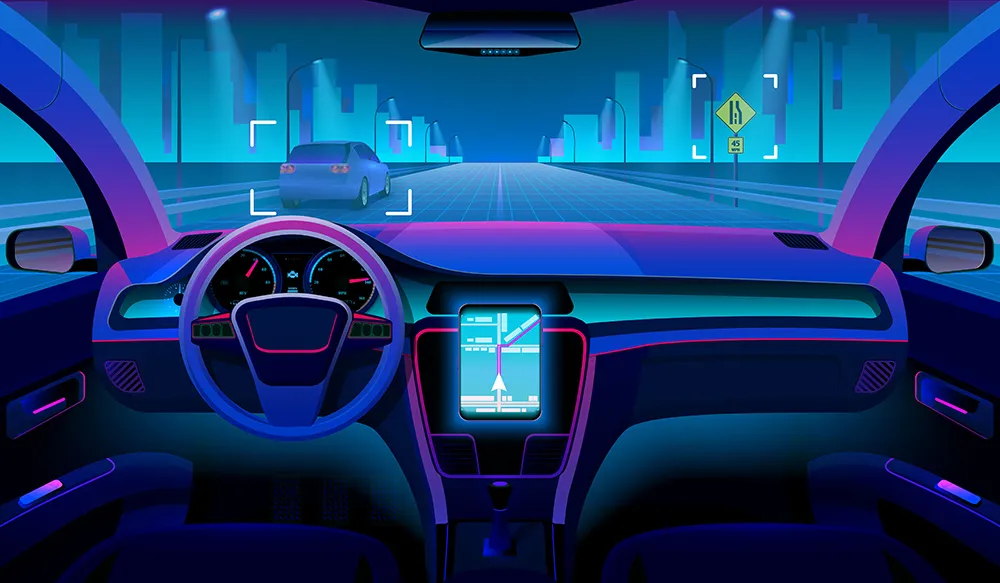
So is the driverless car, with its promise of eliminating traffic accidents and better utilisation of time, road space and vehicles, the golden future? Possibly, but it’s yet unproven and there could be an alternative scenario.
Those in autonomous vehicles can work during their journey so why bother with multimodal commutes – just sit in an autonomous vehicle. That this would increase congestion and travel times for all road users would be of little concern to those in autonomous vehicles as they are working, but it could lead to wider resentment.
Technically an unoccupied autonomous vehicle could be sent to collect an elderly person from a city centre, or park itself out of town after dropping them off at the doctor’s surgery. But the potential security risks posed by an unoccupied autonomous vehicle delivering a terrorist’s payload to the centre of a city means legislators may not allow unoccupied journeys.
Without unoccupied running there is little reason to believe autonomous vehicles will make a difference in terms of car sharing and ride sharing which are growing in popularity through the efforts of Zipcar, BlaBlaCar and Uber – but not without some commercial resistance.
And while autonomous cars can travel close to the vehicle in front, they can’t defy the laws of physics. So an autonomous vehicle travelling very close behind an unconnected car that runs into the back of a stationary vehicle, is likely to crash too. This can’t happen, so either the gap ahead of the autonomous vehicle will have to remain as-is, or politically divisive dedicated lanes for connected and autonomous vehicles will have to be installed.
Autonomous vehicles will avoid hitting pedestrians and cyclists. Once pedestrians and cyclists know this they will cross the road at will (or play ‘chicken’), further increasing urban journey times.
Over the past two decades and more ITS has usually been deployed to improve travel for all citizens but the autonomous vehicle could challenge that ethos. As traditional vehicles will be around for another two decades, authorities must decide how to balance the potentially conflicting needs of those two sets of motorists - and they don’t have another two decades to make those decisions.