Twin Cities’ Metropolitan Council chooses Siemens to provide new light rail vehicles for Southwest expansion

Siemens has been chosen by the US Twin Cities of Minnesota and St Paul Metropolitan Council to manufacture 27 new light rail vehicles that will operate on the Metro Transit Southwest line expansion. Siemens will begin engineering the new vehicles, which will feature improvements including a redesigned middle section to improve passenger flow including wheelchairs and bicycles, ice cutters to remove sleet from the overhead wires that provide the electrical current to power the vehicles, and preferred seat
October 28, 2016 Read time: 1 min
189 Siemens has been chosen by the US Twin Cities of Minnesota and St Paul Metropolitan Council to manufacture 27 new light rail vehicles that will operate on the Metro Transit Southwest line expansion.

Siemens will begin engineering the new vehicles, which will feature improvements including a redesigned middle section to improve passenger flow including wheelchairs and bicycles, ice cutters to remove sleet from the overhead wires that provide the electrical current to power the vehicles, and preferred seating to meet Americans with Disabilities guidelines, among many others.

The contract expands Siemens relationship with the Twin Cities, adding to the existing fleet of 59 Siemens S70 light rail vehicles successfully operating on Metro Transit’s Green and Blue lines.  Five additional S70s are currently in production in Sacramento and will add capacity to the existing system.

The first light rail vehicle is expected to arrive in Minnesota in 2019.

For more information on companies in this article

Related Content

  • PTV’s software solutions help cities combat congestion and pollution
    January 25, 2018
    Smart cities must rely on a mobility mix, real-time predictive models and collaborations, argues PTV’s Miller Crockart. Transport is reaching a new frontier and cities are at the forefront of the trend: for many urbanites, mobility no longer equals a privately-owned vehicle. They want on-demand services that cater for their individual mobility needs efficiently and sustainably - whether that is shared bikes or autonomous electric vehicles. Private car ownership will not drop overnight. The smooth
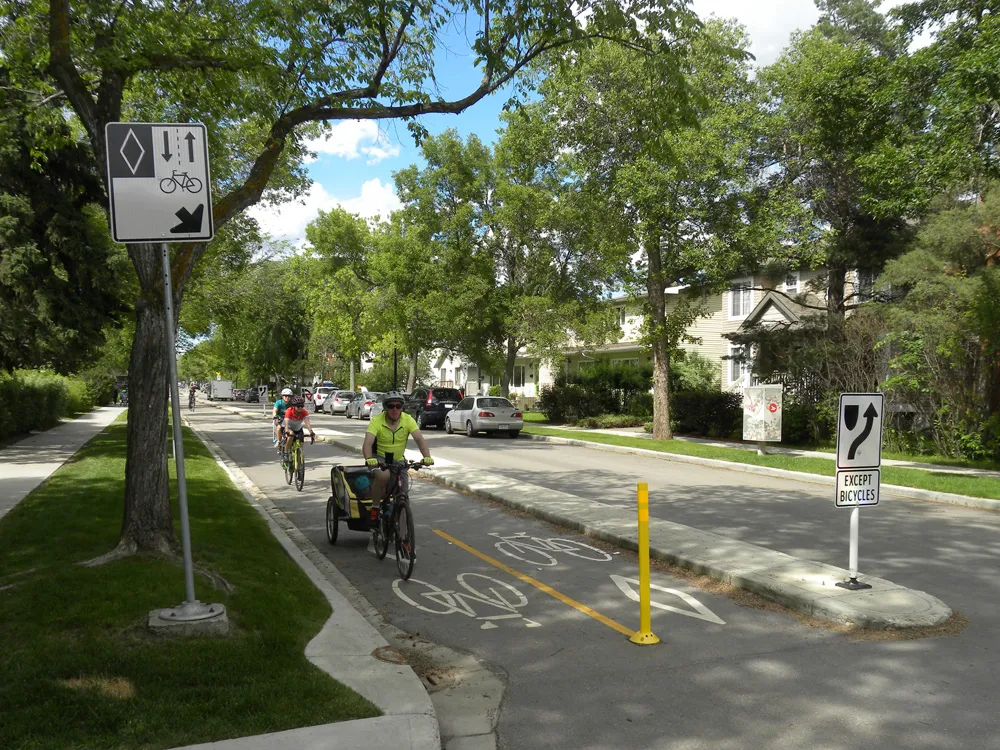
  • White lines? Cyclists need more
    August 5, 2020
    Just painting lines on the road isn’t sufficient to persuade most people to cycle – you need to separate them from motor vehicles altogether. David Arminas talks to transportation engineer Tyler Golly about the Covid ‘wake-up call’
  • Advanced Driver Assistance Systems: a solution or another problem?
    November 27, 2013
    Do Advanced Driver Assistance Systems represent a positive step forward for safety, or something of a safety risk? Jason Barnes discusses the issue with leading industry figures. Advanced Driver Assistance Systems (ADAS) are already common. Anti-lock brakes or electronic stability control are well understood and are either fitted as standard or frequently requested by new vehicle buyers. More advanced ADAS features are appearing on many top-end vehicles and the trickle-down has already started. Adaptive
  • The benefits of combining enforcement and traffic management
    February 27, 2013
    Jason Barnes considers how combining enforcement equipment with other traffic management technologies might benefit our future – if only the will were really in place to do so. During the ITS World Congress in Vienna in October last year, Navtech Radar and Vysion­ics ITS announced a strategic partnership that would combine the expertise of Navtech in millimetre-wave wide-area surveillance technology with Vysionics’ machine vision-based automatic number plate recognition (ANPR) and average speed measurement