To capitalise on the opportunities posed by new technology, the UK’s Transport Research Laboratory (TRL) has formed a strategic alliance with the Computer Science and Artificial Intelligence Laboratory (CSAIL) at the Massachusetts Institute of Technology (MIT). Joining organisations such as Apple, Google, BP, Intel, BT and BAE Systems as a member of the CSAIL Alliance Program, TRL will work closely with MIT to enhance its existing knowledge and capabilities in the areas of artificial intelligence, robotics

To capitalise on the opportunities posed by new technology, the UK’s Transport Research Laboratory (491 TRL) has formed a strategic alliance with the Computer Science and Artificial Intelligence Laboratory (CSAIL) at the Massachusetts Institute of Technology (MIT). Joining organisations such as Apple, Google, BP, Intel, BT and BAE Systems as a member of the CSAIL Alliance Program, TRL will work closely with MIT to enhance its existing knowledge and capabilities in the areas of artificial intelligence, robotics and machine learning, as well as developing research initiatives for future transport needs.
The CSAIL Alliance Program offers intelligence on advanced technology, access to thought leadership in emerging fields and broad recognition of TRL as one of the major research centres in the world. Membership will provide TRL with access to the largest research laboratory facility at MIT, as well as research groups spanning robotics, natural language processing, networks, databases, cryptography, web science and more. The TRL team will also be able to engage with leading researchers in the fields of artificial intelligence and robotics technologies, identifying opportunities to collaborate to improve knowledge and accelerate development in this area.
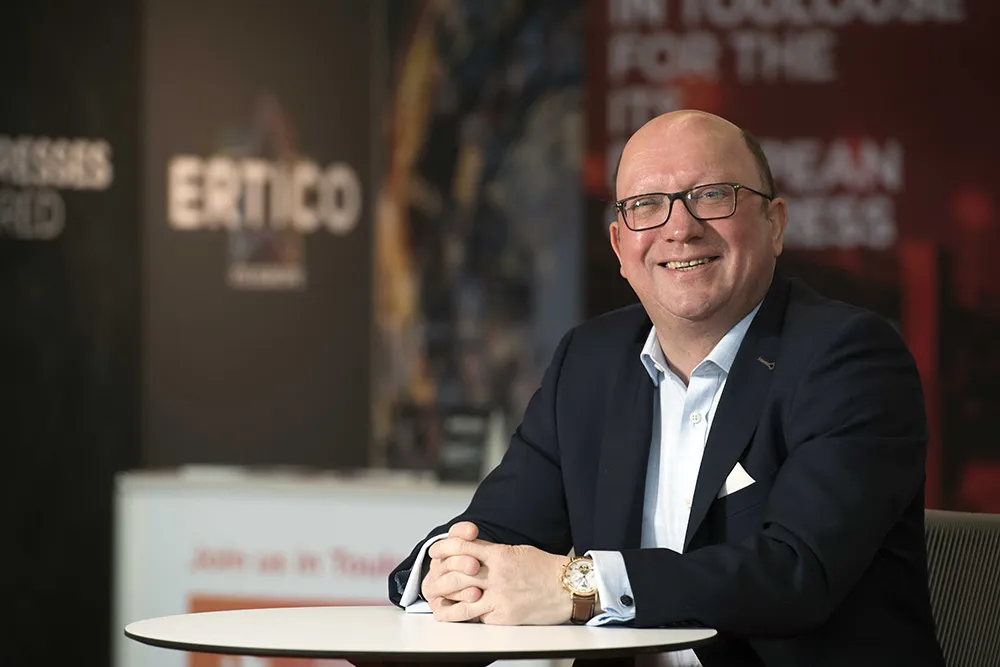
Speaking about the decision to join the CSAIL Alliance Program, TRL Academy director, Professor Nick Reed said that joining the Alliance Programme will help to ensure that TRL remains at the forefront of innovation in transport.
The CSAIL Alliance Program offers intelligence on advanced technology, access to thought leadership in emerging fields and broad recognition of TRL as one of the major research centres in the world. Membership will provide TRL with access to the largest research laboratory facility at MIT, as well as research groups spanning robotics, natural language processing, networks, databases, cryptography, web science and more. The TRL team will also be able to engage with leading researchers in the fields of artificial intelligence and robotics technologies, identifying opportunities to collaborate to improve knowledge and accelerate development in this area.
Speaking about the decision to join the CSAIL Alliance Program, TRL Academy director, Professor Nick Reed said that joining the Alliance Programme will help to ensure that TRL remains at the forefront of innovation in transport.