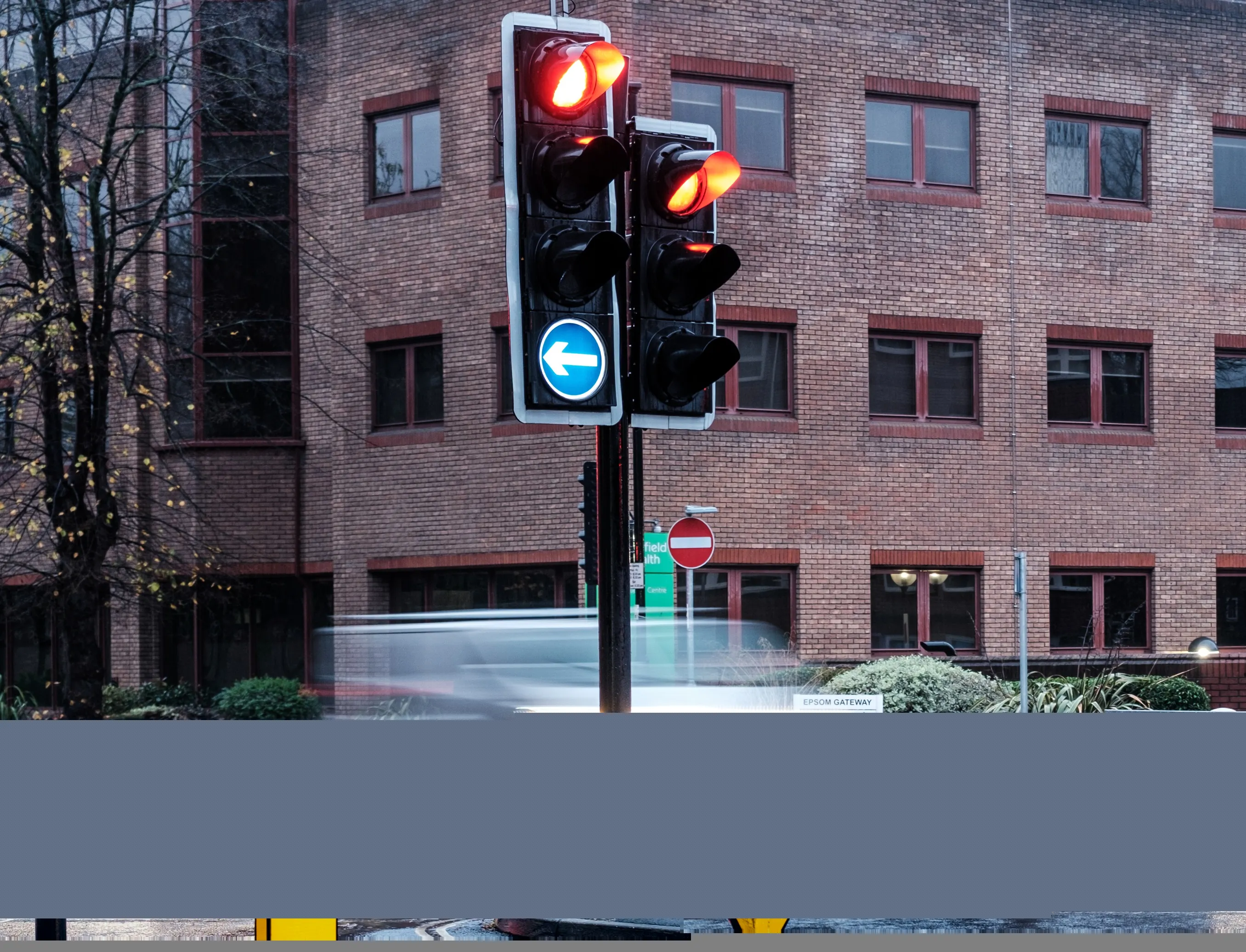
A US$124.8 million (£88.4 million) project to upgrade access to one of the UK’s busiest ports is trialling the use of technology to improve the monitoring of highway equipment located along the road, such as street lighting and drainage, to aid future maintenance.
Contractors working on the A160 Port of Immingham improvement scheme are using the RedBite asset tool, developed by a Cambridge-based company, to tag Highways England owned assets. RedBite is a spin-out from the University of Cambridge and a m

A US$124.8 million (£88.4 million) project to upgrade access to one of the UK’s busiest ports is trialling the use of technology to improve the monitoring of highway equipment located along the road, such as street lighting and drainage, to aid future maintenance.
Contractors working on the A160 Port of Immingham improvement scheme are using the RedBite asset tool, developed by a Cambridge-based company, to tag8101 Highways England owned assets. RedBite is a spin-out from the University of Cambridge and a member of the HyperCat Consortium. The technology uses radio frequency identification (RFID) technology, Quick Response (QR) Codes and GPS tags.
Once the product is tagged, the data is securely transmitted to a webpage where all data relating to that piece of equipment or asset is recorded for future use.
This is said to be the first time the technology has been used on a road project. Items which have been tagged so far along the A160 include lighting columns, signs, pavements, culverts and gullies.
The Port of Immingham is the UK’s largest port by tonnage and handles up to 55 million tonnes of goods every year, including nearly 20 million tonnes of oil and 10 million tonnes of coal.
The scheme will see a three-mile section of the A160 between the A180 and the Port of Immingham upgraded to a dual carriageway along its entire length.
Once completed, traffic congestion should be reduced, journey times become more reliable, and safety improved for road users and the local community. There will also be improved access to the Port of Immingham and the surrounding area.
Contractors working on the A160 Port of Immingham improvement scheme are using the RedBite asset tool, developed by a Cambridge-based company, to tag
Once the product is tagged, the data is securely transmitted to a webpage where all data relating to that piece of equipment or asset is recorded for future use.
This is said to be the first time the technology has been used on a road project. Items which have been tagged so far along the A160 include lighting columns, signs, pavements, culverts and gullies.
The Port of Immingham is the UK’s largest port by tonnage and handles up to 55 million tonnes of goods every year, including nearly 20 million tonnes of oil and 10 million tonnes of coal.
The scheme will see a three-mile section of the A160 between the A180 and the Port of Immingham upgraded to a dual carriageway along its entire length.
Once completed, traffic congestion should be reduced, journey times become more reliable, and safety improved for road users and the local community. There will also be improved access to the Port of Immingham and the surrounding area.