The latest research by MarketsandMarkets predicts that the smart ticketing market will be worth US$10.22 billion by 2022, growing at a CAGR of 7.93 per cent between 2016 and 2022.
The growth of this market is driven by the factors such as affordable access to smart transit systems, emerging applications in travel and tourism industry, thriving adoption of smart technology, and user-friendly platform.
The market for ticket machine is expected to hold the largest share of the overall market by 2022. It

The latest research by 6418 MarketsandMarkets predicts that the smart ticketing market will be worth US$10.22 billion by 2022, growing at a CAGR of 7.93 per cent between 2016 and 2022.
The growth of this market is driven by the factors such as affordable access to smart transit systems, emerging applications in travel and tourism industry, thriving adoption of smart technology, and user-friendly platform.
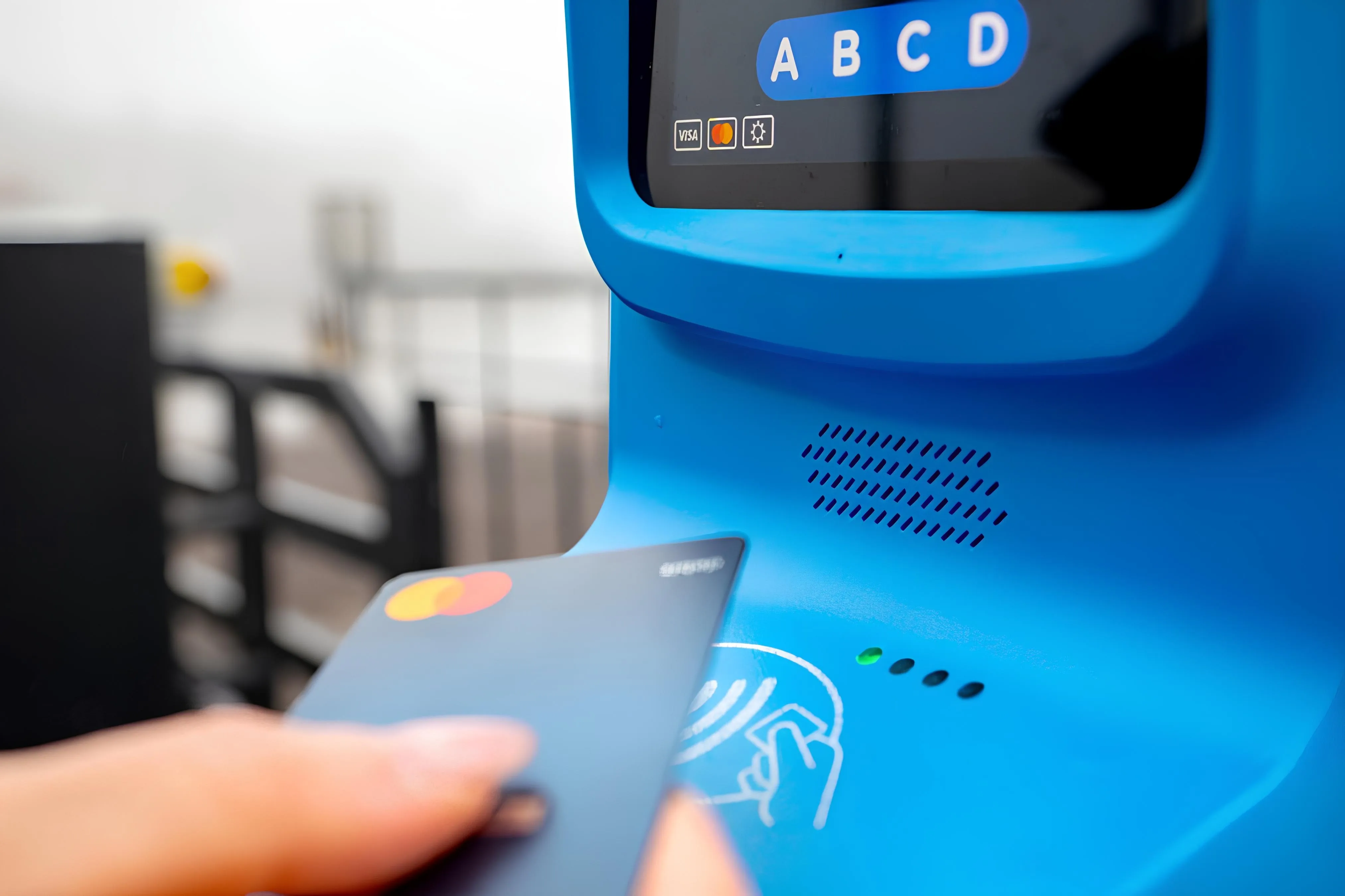
The market for ticket machine is expected to hold the largest share of the overall market by 2022. It is a combination of a smart gating, ticket vending, and fare collection systems. It is capable of managing the flow of passengers at peak hours and maintains the generated data with a backup. It can be considered as an initiative toward smart transit systems, and it is one of the oldest forms of smart ticketing system. Hence the market for ticket machines is likely to occupy the largest market share by 2022.
The market for near-field communication (NFC) systems is expected to grow at the highest rate between 2016 and 2022. NFC technology can easily be integrated with smartphones and can be used as a ticket while availing public transportation services. Therefore, it is believed that the convenience provided by the integration of NFC and smartphone would influence the commuters and accelerate the replacement of traditional printed ticketing with NFC. Also, the increasing use of smartphones across the globe would encourage the growth of the market for NFC systems.
Europe held the largest share of the smart ticketing market in 2015 owing to the presence of key players such as3866 Gemalto NV (Netherlands), 3842 Giesecke & Devrient (Germany), 6369 Oberthur Technologies (France), 150 ASK (France), and 6367 Infineon Technologies (Germany), among others. Also, the European countries such as UK, Germany and Sweden are early adopters of smart ticketing technology in their public transportation network which has enabled the region to gain the largest market share and expected to be the leading region during the forecast period.
The growth of this market is driven by the factors such as affordable access to smart transit systems, emerging applications in travel and tourism industry, thriving adoption of smart technology, and user-friendly platform.
The market for ticket machine is expected to hold the largest share of the overall market by 2022. It is a combination of a smart gating, ticket vending, and fare collection systems. It is capable of managing the flow of passengers at peak hours and maintains the generated data with a backup. It can be considered as an initiative toward smart transit systems, and it is one of the oldest forms of smart ticketing system. Hence the market for ticket machines is likely to occupy the largest market share by 2022.
The market for near-field communication (NFC) systems is expected to grow at the highest rate between 2016 and 2022. NFC technology can easily be integrated with smartphones and can be used as a ticket while availing public transportation services. Therefore, it is believed that the convenience provided by the integration of NFC and smartphone would influence the commuters and accelerate the replacement of traditional printed ticketing with NFC. Also, the increasing use of smartphones across the globe would encourage the growth of the market for NFC systems.
Europe held the largest share of the smart ticketing market in 2015 owing to the presence of key players such as