Siemens to equip Line 4 of Paris Metro for driverless operation

Siemens received an order from the Paris public transport operator RATP (Régie Autonome des Transports Parisiens) to equip the 27 stations of Paris Metro the twelve kilometre Line 4 with signalling and operations control systems. Siemens will supply its Trainguard MT automatic train control system that uses communications-based technology to achieve fully automatic, driverless operation. All train movements will be supervised via the operation control centre, which will also be supplied by Siemens. Spec
January 12, 2016 Read time: 2 mins
189 Siemens received an order from the Paris public transport operator RATP (Régie Autonome des Transports Parisiens) to equip the 27 stations of Paris Metro the twelve kilometre Line 4 with signalling and operations control systems.

Siemens will supply its Trainguard MT automatic train control system that uses communications-based technology to achieve fully automatic, driverless operation. All train movements will be supervised via the operation control centre, which will also be supplied by Siemens. Special doors at the platforms will ensure additional safety at all 27 metro stations.

With around 700,000 passengers a day, Line 4 of the Paris Metro is one of the most frequented sections of the whole Paris mass transit network and the most important north-south metro link in the city. On its way through France's capital it stops at three major long-distance railway stations and is also the only line with transfer terminals to all 16 other mass transit lines.

"Automatic operation will enable Line 4 to offer a service interval of 85 seconds. At the same time, the automatic control will allow to reduce energy consumption by up to 15 percent," says Jochen Eickholt, CEO of Siemens Mobility. The order is worth around US$76 million. Work on the line is scheduled for completion in 2022.

For more information on companies in this article

Related Content

  • Missouri’s smart solution for rural road monitoring
    July 7, 2017
    David Crawford sees how Missouri is using commercially available information to rapidly improve monitoring and driver information on rural highways. Missouri is a predominantly rural state with the second largest number of farms in the country and agriculture the main occupation in 97 of its 114 counties. US statistics starkly reveal how road accidents in rural areas tend to be more serious than in urban regions and of the 32,000 US motorists killed each year, 54% die on roads in rural areas even though onl
  • Indra to implement smart technology for Ecuador tram system
    December 10, 2015
    Indra is to provide the engineering, supply and implementation of tram priority and signage systems, along with access control and ticketing for the new tram system in Cuenca, the third-largest city in Ecuador. The system is currently under construction and is expected to begin operating in June 2016. It will be used by around 120,000 passengers a day, or 39 million a year. The aim is to incorporate the transport mode into the Integrated Mobility System, reduce the current levels of traffic and green
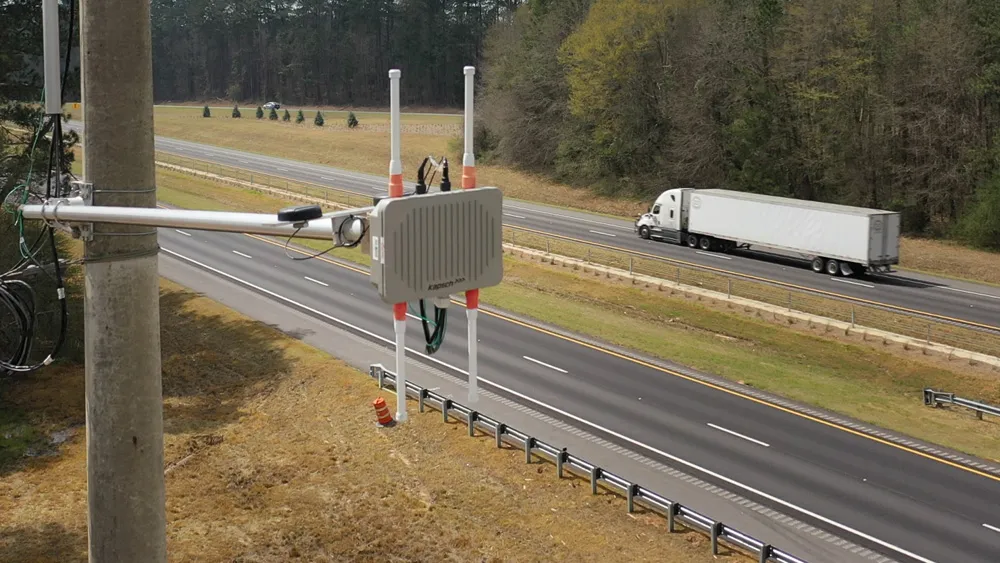
  • Panasonic gets connected on The Ray
    June 5, 2020
    A stretch of rural Georgia highway called The Ray is a particularly useful testbed for V2X technology. Panasonic’s Chris Armstrong tells Adam Hill what’s so special about it
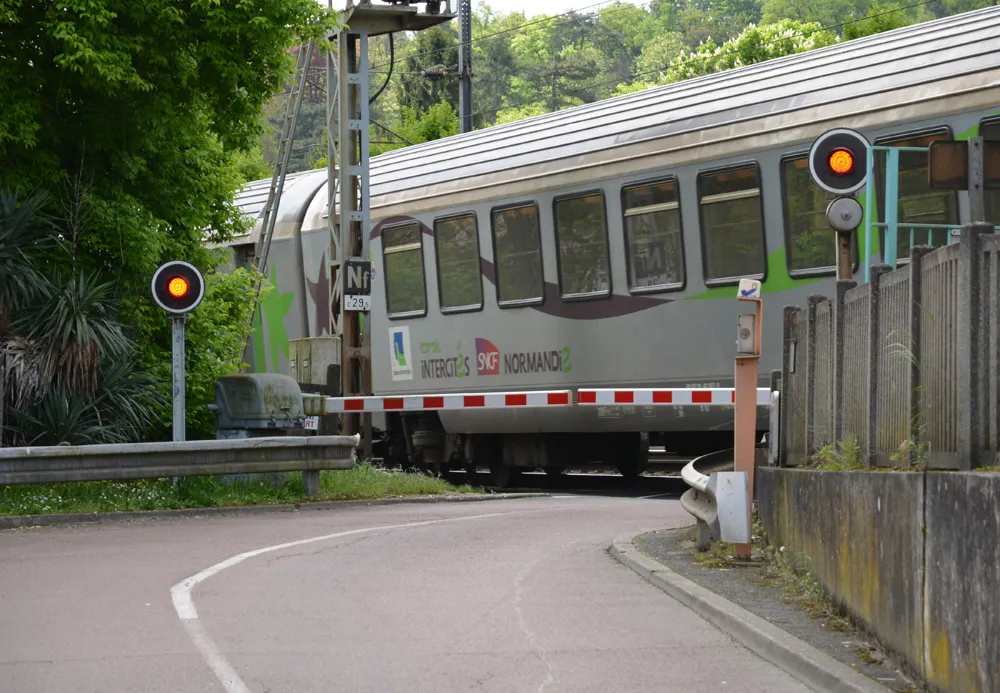
  • SNCF uses ITS to make crossings safer
    May 19, 2021
    There are too many deaths where road and rail intersect: Virginie Taillandier, smart level crossing project manager at French rail group SNCF, outlines how ITS communications can help