
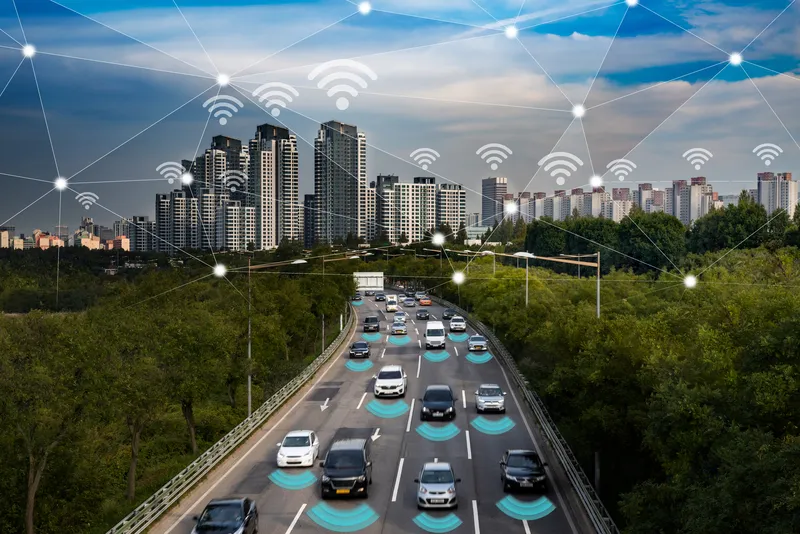
Chinese artificial intelligence (AI) company SenseTime (ST) has signed a long-term agreement that will combine its AI algorithms with Honda’s vehicle control system to build autonomous smart AI cars. The partnership is expected to accelerate the research and development of these vehicles.
The autonomous driving solution is said to provide advantages to a variety of passenger vehicle scenarios and lower transducer manufacturing costs. In addition, ST has also developed chips and embedded systems for the cars with a set of core technologies and patents for autonomous driving.
Lao Shihong, chief executive officer of ST, said: “Safety is the utmost priority when it comes to driving, and it also constitutes the core of our autonomous driving solution. By combining SenseTime's strengths in computer vision technologies with Honda's superior vehicle control technologies, we will together enable a safe and pleasant autonomous driving experience. Moreover, the fact that SenseTime provides core technology to a global enterprise like Honda marks a milestone."

SenseTime and Honda partner to accelerate R&D of smart AI Cars
Chinese artificial intelligence (AI) company SenseTime (ST) has signed a long-term agreement that will combine its AI algorithms with Honda’s vehicle control system to build autonomous smart AI cars. The partnership is expected to accelerate the research and development of these vehicles. The autonomous driving solution is said to provide advantages to a variety of passenger vehicle scenarios and lower transducer manufacturing costs. In addition, ST has also developed chips and embedded systems for the car
Related Content



Highlighted Content




