ReachNow installs 20 public EV charging stations in Seattle

BMW’s ReachNow car-sharing service has installed the first of 20 Light & Charge electric vehicle (EV) charging locations in Seattle, US, as part of a US$1.2 million investment by the BMW Group. Seattle is the first city in North America to make the award-winning Light & Charge system, which turns existing streetlights into EV charging stations, available to the public.
May 23, 2017 Read time: 2 mins
BMW’s ReachNow car-sharing service has installed the first of 20 Light & Charge electric vehicle (EV) charging locations in Seattle, US, as part of a US$1.2 million investment by the BMW Group. Seattle is the first city in North America to make the award-winning Light & Charge system, which turns existing streetlights into EV charging stations, available to the public.


The Light & Charge system, developed by BMW together with its partner, eluminocity US, transforms existing street and parking lot light poles into connected nodes on a smart city network. The system combines LED lighting, EV charging and a sensor bus that senses various parameters and connects the site to the cloud. The sensor bus also provides edge-computing power for other connected devices nearby.

In Seattle, each Light & Charge site will include one ChargePoint DC Fast Charger and two to four AC, Level II chargers. The chargers all run on the ChargePoint network and will all be available to the public and compatible with any EV that has a standard SAE J1772 charging port.

The addition of Light & Charge stations in Seattle will also allow ReachNow to expand its shared fleet of EVs. Today, the electric BMW i3 vehicle makes up 10 per cent of the total ReachNow fleet and, with less than a year on the road, ReachNow’s shared electric fleet claims to have saved more than 55 tons of CO2 emissions.

Related Content

  • Deadlines approach for Europe’s automatic crash alert system
    September 15, 2016
    The EU-co-funded I_ HeERO (Infrastructure_ Harmonised eCall European Pilot) project is working to ensure the readiness of national networks of call centres - known as public safety answering posts (PSAPs) - to deal with automated crash alerts arriving via the continent-wide 112 emergency phone number. Following on from its HeERO and HeERO2 pre-deployment predecessors, which enjoyed €16m (US$17.76m) in EU funding, the new initiative runs from 1 January 2015 to 31 December 2017. It has €30.9 million (US$34.
  • Peak-hour commutes of less than 45 minutes by 2040, says panel
    February 19, 2019
    Nine out of ten peak-hour commutes in Singapore should take less than 45 minutes by 2040, saving the average person around 15 minutes every weekday. This is one of the recommendations that the Land Transport Master Plan’s (LTMP) advisory panel submitted to the government to make public transport more connected, safer and inclusive. The recommendations are based on more than 7,400 responses taken from a public engagement exercise conducted by the Land Transport Authority. The study included feedback fr
  • Michigan DOT director joins committee to study the future of interstates
    August 30, 2016
    Sixty years after president Dwight D. Eisenhower signed the Federal Highway Act 1956 into law, the US National Academies of Sciences, Engineering and Medicine is to carry out a 30 month study of the future of the country’s interstate highway system. Michigan Department of Transportation director Kirk T. Steudle has been named as a member of the committee that will study the future of the US Interstate Highway System (IGS).
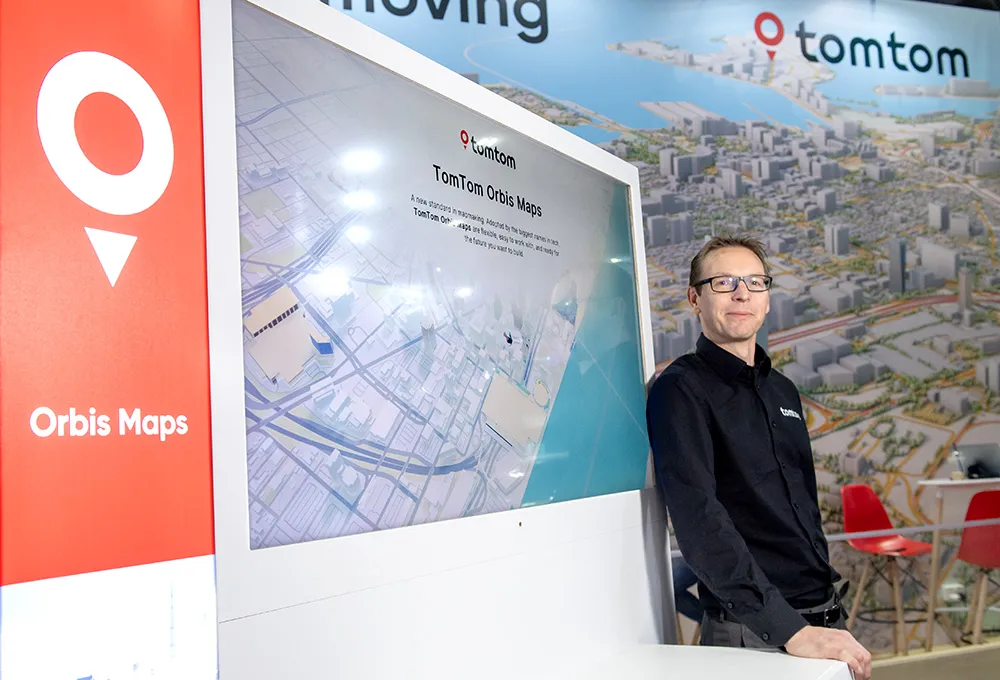
  • TomTom moves traffic data to new heights
    September 19, 2024
    As cities get bigger and busier, decision-makers need to get creative to keep them moving. Governments and transport authorities rely on data analytics to identify mobility issues, evaluate investments, and set policies based on traffic trends.