Qualcomm partnership demonstrates dynamic electric vehicle charging

Qualcomm Technologies, in partnership with Renault and Vedecom, has demonstrated dynamic wireless electric vehicle charging (DEVC), based on its Halo wireless electric vehicle charging technology (WEVC), to enable electric vehicles to charge dynamically at up to 20 kilowatts at highway speeds.
May 22, 2017 Read time: 2 mins
213 Qualcomm Technologies, in partnership with Renault and Vedecom, has demonstrated dynamic wireless electric vehicle charging (DEVC), based on its Halo wireless electric vehicle charging technology (WEVC), to enable electric vehicles to charge dynamically at up to 20 kilowatts at highway speeds.


Qualcomm Technologies also demonstrated simultaneous charging, in which two vehicles on the same track can charge dynamically at the same time, picking up charge in both directions along the track and in reverse.

The charging demonstrations took place at the 100-metre test track built by Vedecom at Satory Versailles, France, as part of the EU FABRIC project, which is looking at the viability of wireless DEVC.

Qualcomm Technologies and Vedecom integrated the transmission source portion of the Qualcomm Halo DEVC system into the test track, while Vedecom and Renault integrated the receiving portion into two Renault Kangoo vehicles.

Following the demonstration, the Qualcomm Halo DEVC system will be handed over to Vedecom to perform tests for FABRIC. These tests will evaluate the operation, safety and efficiency of energy transfer to the vehicles for a wide range of practical scenarios including vehicle identification and authorisation on entering the track, power level agreement between track and vehicle, speed and alignment of the vehicle along the track.

For more information on companies in this article

Related Content

  • Report analyses multiple ITS projects to highlight cost and benefits
    March 16, 2015
    Every year in America cost benefit analysis is carried out on dozens of ITS installations and pilot studies and the findings, along with the lessons learned, are entered into the Department of Transportation’s (USDOT’s) web-based ITS Knowledge Resources database. This database holds more than 1,600 reports and periodically the USDOT reviews the material on file to draw conclusions from this wider body of evidence. It has just published one such review ITS Benefits, Costs, and Lessons Learned: 2014 Update Re
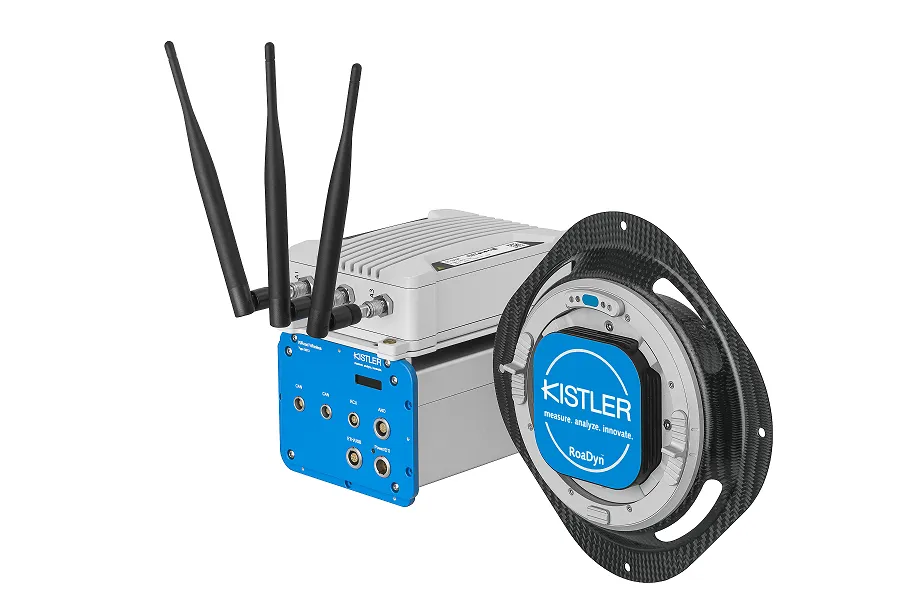
  • Kistler unveils KiRoad Wireless HDR
    June 30, 2021
    Solution features remote wireless transmission for wheel force measurements
  • Mexico’s Durango-Mazatlan highway sets tunnel safety standard
    August 26, 2016
    Mauro Nogarin looks at the management of the longer tunnels on Mexico’s Durango-Mazatlan highway. In recent years the National Infrastructure Fund of Mexico has increased investment in the installation of ITS systems on selected highways to increase road safety. One such major investment is the 230km long Durango-Mazatlan highway which is 12m in width and has an average speed of 110km/h.
  • Aimsun makes Paris match
    March 11, 2021
    How do digital twins allow city planners to test out new road layouts virtually?