
Proterra to deliver North Carolina's first electric airport passenger bus fleet

Heavy-duty electric transportation manufacturer Proterra is to supply Raleigh-Durham Airport (RDU) Authority in the US with four Proterra Catalyst E2 zero-emissions battery-electric transit buses and related charging infrastructure. Currently, RDU has 14 diesel-powered transit buses that are replaced every 7-10 years. The new buses will replace four older diesel buses on trips between the airport’s two ParkRDU Economy lots and terminals.
August 18, 2017 Read time: 1 min

Heavy-duty electric transportation manufacturer Proterra is to supply Raleigh-Durham Airport (RDU) Authority in the US with four Proterra Catalyst E2 zero-emissions battery-electric transit buses and related charging infrastructure.

Currently, RDU has 14 diesel-powered transit buses that are replaced every 7-10 years. The new buses will replace four older diesel buses on trips between the airport’s two ParkRDU Economy lots and terminals.
Related Content

  • Tokyo snaps up lead in transit performance, says Snapper
    October 29, 2024
    Japan's capital tops on-time table using new comparative Mosaiq Global Transit Index
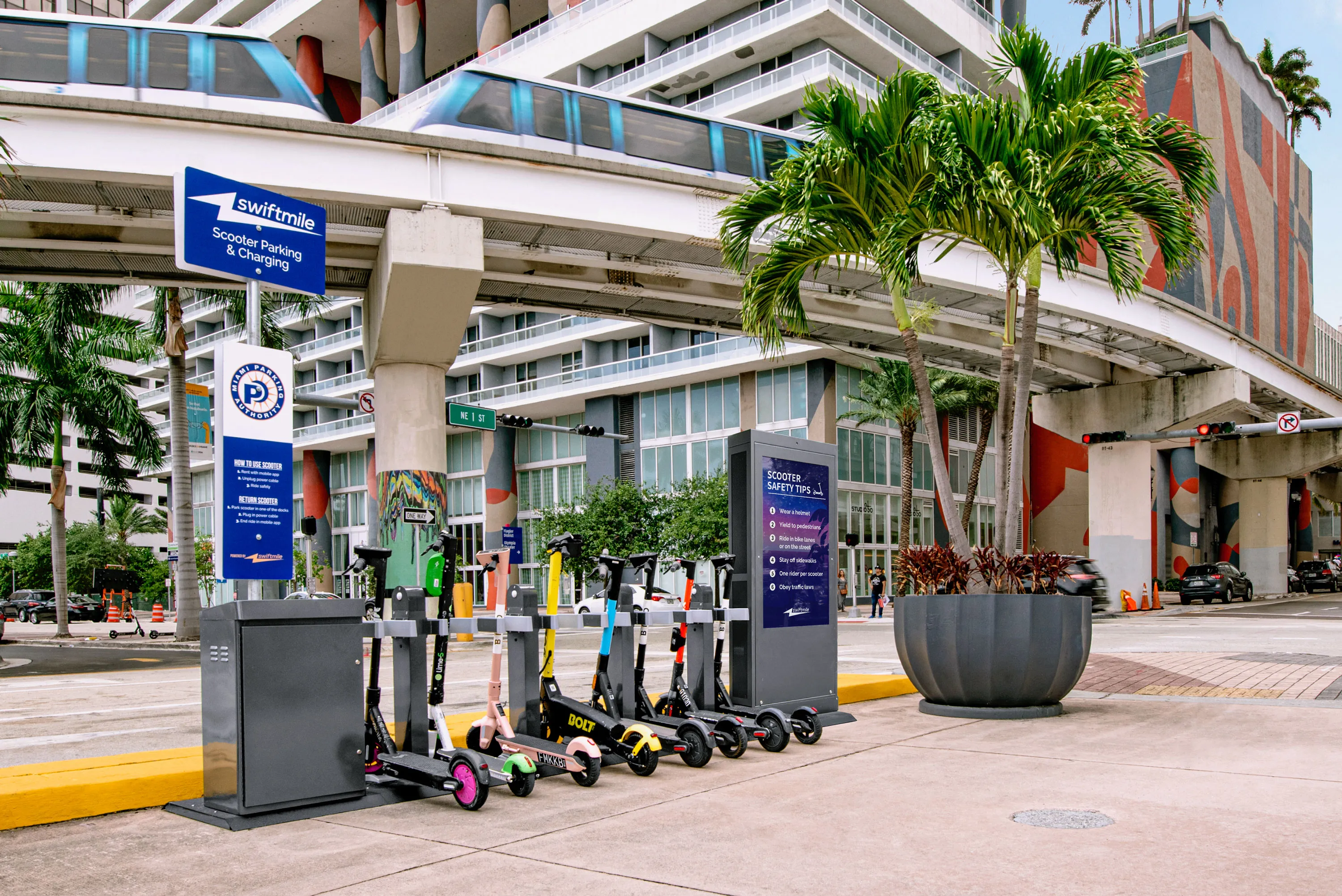
  • Swiftmile e-scooter hubs arrive in Miami 
    June 24, 2021
    Swiftmile says it hopes to roll out 100 charging hubs for 800 vehicles by end of 2022 
  • Infrastructure and the autonomous vehicle
    December 12, 2014
    Harold Worrall ponders the effect of autonomous vehicles on transportation infrastructure. For the last century the transportation industry has been focused on the supply of infrastructure to support the ever growing fleet of vehicles and the greater number of miles covered by each vehicle. Our focus has been planning, funding, designing, building and maintaining roadways. Politicians, engineers, planners, financial managers … all of us have had this focus. We have experienced demand growth since the first
  • Amsterdam’s municipal fleet ‘zero-emission by 2025’
    October 16, 2019
    Amsterdam’s authorities have announced that most municipality vehicles must be zero-emission by 2025 - followed by all other vehicles in the city 2030. The Dutch city says the municipality owns around 1,500 vehicles, which account for around 4% of all road traffic emissions in Amsterdam. As part of the plan, the city will aim to convert all its cars and small cars and delivery vans to zero-emission as early as 2022. Street-sweeping and cleaning trucks and other medium-sized vehicles will follow in 202




