
MTC awards funding to modernise Bay Area transit systems

San Francisco’s Metropolitan Transportation Commission (MTC) has allocated US$494 million to help more than 20 Bay Area transit agencies replace or rehabilitate aging buses, ferries, rail cars, tracks and bridges; update safety, control and communications systems; install new fare-collection equipment; maintain services for elderly and disabled passengers; and make other capital improvements. The commitment includes US$447 million of federal transportation funds, supplemented by US$47 million of revenues fr
January 28, 2016 Read time: 2 mins

San Francisco’s 343 Metropolitan Transportation Commission (MTC) has allocated US$494 million to help more than 20 Bay Area transit agencies replace or rehabilitate aging buses, ferries, rail cars, tracks and bridges; update safety, control and communications systems; install new fare-collection equipment; maintain services for elderly and disabled passengers; and make other capital improvements. The commitment includes US$447 million of federal transportation funds, supplemented by US$47 million of revenues from the Bay Area's seven state-owned toll bridges.

"Job one for the Commission is what we call 'Fix it First’, which means taking care of the transportation system we already have," explained MTC chair and Santa Clara County supervisor Dave Cortese. "We're also committed to putting federal transportation dollars to work right away. With last month's passage by Congress of the new FAST Act, we finally have some certainty about the level of federal funding coming to the region for the next several years. This allowed us not only to take a big programming action for transit capital priorities in the current fiscal year, but also to begin committing to transit capital investments in upcoming years.”

Among the biggest investments made possible by the new funding are roughly US$50 million for 7357 BART's rail car replacement program; US$17 million to update deteriorating segments of the BART railway; US$97 million to accelerate San Francisco Muni's replacement of dozens of buses and trolley coaches; $36 million for 274 AC Transit to buy 10 new double-deck buses and replace more than 30 of its older 40- and 60-foot buses; and nearly US$17 million to replace two aging San Francisco Bay Ferry vessels. The allocation also reserves about US$52 million for Caltrain's planned replacement of diesel-powered trains with electric vehicles as part of its system electrification and positive train control initiatives.

For more information on companies in this article

Related Content
  • First Smart Mobility Challenge winners announced
    March 22, 2012
    Vice-President Siim Kallas, European Commissioner for mobility and transport, has announced the winners of the first Smart Mobility Challenge on European multi-modal journey planners, to promote the development of all-in-one journey planners, going beyond national borders and offering travel options combining different transport modes. In the category of 'operational journey planners' the two winners are Idos and Trenitalia, and in the category of 'innovative ideas' the winners are Penelope Ventures and SNC
  • Brazil presidential candidate pushes for urban mobility PPPs
    September 4, 2014
    Developing partnerships with the private sector to help improve Brazil's urban mobility is crucial, presidential candidate Aécio Neves said recently during a televised debate. He stressed the importance of choosing the appropriate type of public transport to achieve the best results in each city, citing the availability of a wide range of viable options, including subway, monorail, bus rapid transit (BRT), light rail transit (LRT) and waterway systems.
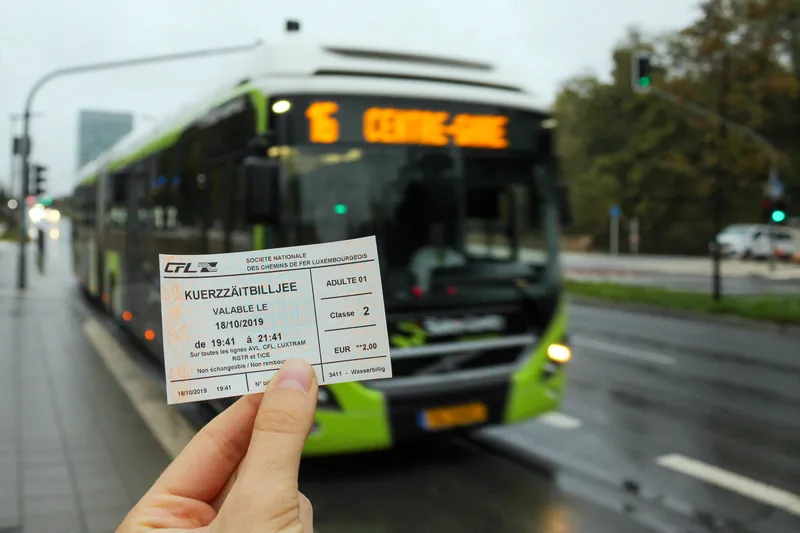
  • Luxembourg offers free public transit to cut congestion
    March 3, 2020
    Public transport in Luxembourg is now free as the tiny European state bids to cut congestion.
  • When caring about sharing is good business for US automakers
    October 28, 2015
    Although car-sharing and ride-sharing could drastically reduce car sales, David Crawford finds some US automakers are keen to participate in the sharing economy. Growing consumer interest in car- and ride-sharing, as opposed to outright ownership, and ride-sharer Uber’s recently stated intention to make its brand competitive with ownership on cost, are making the major US automotive manufacturers think seriously about their future sales prospects. Some have already begun exploring ways of entering the field




