
MTC awards funding to modernise Bay Area transit systems

San Francisco’s Metropolitan Transportation Commission (MTC) has allocated US$494 million to help more than 20 Bay Area transit agencies replace or rehabilitate aging buses, ferries, rail cars, tracks and bridges; update safety, control and communications systems; install new fare-collection equipment; maintain services for elderly and disabled passengers; and make other capital improvements. The commitment includes US$447 million of federal transportation funds, supplemented by US$47 million of revenues fr
January 28, 2016 Read time: 2 mins

San Francisco’s 343 Metropolitan Transportation Commission (MTC) has allocated US$494 million to help more than 20 Bay Area transit agencies replace or rehabilitate aging buses, ferries, rail cars, tracks and bridges; update safety, control and communications systems; install new fare-collection equipment; maintain services for elderly and disabled passengers; and make other capital improvements. The commitment includes US$447 million of federal transportation funds, supplemented by US$47 million of revenues from the Bay Area's seven state-owned toll bridges.

"Job one for the Commission is what we call 'Fix it First’, which means taking care of the transportation system we already have," explained MTC chair and Santa Clara County supervisor Dave Cortese. "We're also committed to putting federal transportation dollars to work right away. With last month's passage by Congress of the new FAST Act, we finally have some certainty about the level of federal funding coming to the region for the next several years. This allowed us not only to take a big programming action for transit capital priorities in the current fiscal year, but also to begin committing to transit capital investments in upcoming years.”

Among the biggest investments made possible by the new funding are roughly US$50 million for 7357 BART's rail car replacement program; US$17 million to update deteriorating segments of the BART railway; US$97 million to accelerate San Francisco Muni's replacement of dozens of buses and trolley coaches; $36 million for 274 AC Transit to buy 10 new double-deck buses and replace more than 30 of its older 40- and 60-foot buses; and nearly US$17 million to replace two aging San Francisco Bay Ferry vessels. The allocation also reserves about US$52 million for Caltrain's planned replacement of diesel-powered trains with electric vehicles as part of its system electrification and positive train control initiatives.

For more information on companies in this article

Related Content
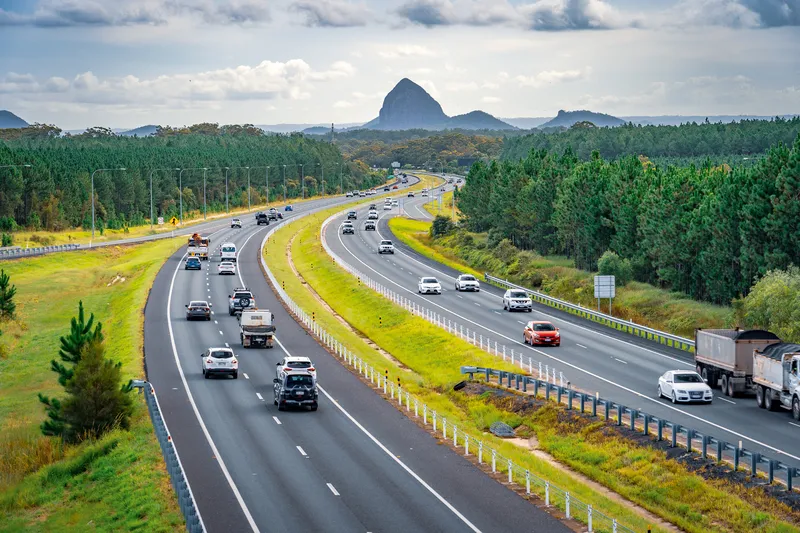
  • Australia highway to receive smart tech 
    October 12, 2021
    Smart motorway tech will be installed between Pine River and Caloundra Road
  • ITS boosts safety on Brazil’s Regis Bittencourt Highway
    October 5, 2016
    Brazil’s incident-prone Regis Bittencourt Highway was once known as ‘the highway of death’ but investment in ITS systems has brought about some big improvements, as Mauro Nogarin discovers Between 2010 and the end of 2014, Brazil made major investments in traffic technology across its national highways with the result that the ITS network went from 4,963km of fibre optics to 8,524km and the number of cameras increased from 1,127 to 3,208.
  • Public Private Partnerships to gather pace in the US
    April 29, 2015
    Public Private Partnerships are set to play a big role in transportation funding as Andrew Bardin Williams discovers. The old joke goes that the road from New York to Chicago is paved with potholes. For decades, drivers from New York and New Jersey traveling across Pennsylvania to visit the Midwest have lambasted the Commonwealth’s roadways for their lack of smooth pavement.
  • Detroit transit authorities offer unified fare system for buses
    May 3, 2019
    The Detroit Department of Transportation (DDoT) has partnered with the Suburban Mobility Authority for Regional Transportation (SMART) to launch a unified payment system for the US region’s buses. Detroit’s mayor Mike Duggan says: “Dart will bring our two systems closer together with seamless transfers and more flexible payments making riding transit easier for everyone.” According to the mayor’s office, riders can take unlimited rides on both systems as each pass starts on the first use for the time




