A new textbook, Modelling Public Transport Passenger Flows in the Era of Intelligent Transport Systems, explains for the first time how the effect of ITS technologies on passenger behaviour in public transport can be modelled.
The textbook is the result of four years of intensive research and exchange, the results of which were presented and discussed at the TransITS Conference at the end of May. Over 140 participants from research, public transport providers and associations, the software industry and l

A new textbook, Modelling Public Transport Passenger Flows in the Era of Intelligent Transport Systems, explains for the first time how the effect of ITS technologies on passenger behaviour in public transport can be modelled.
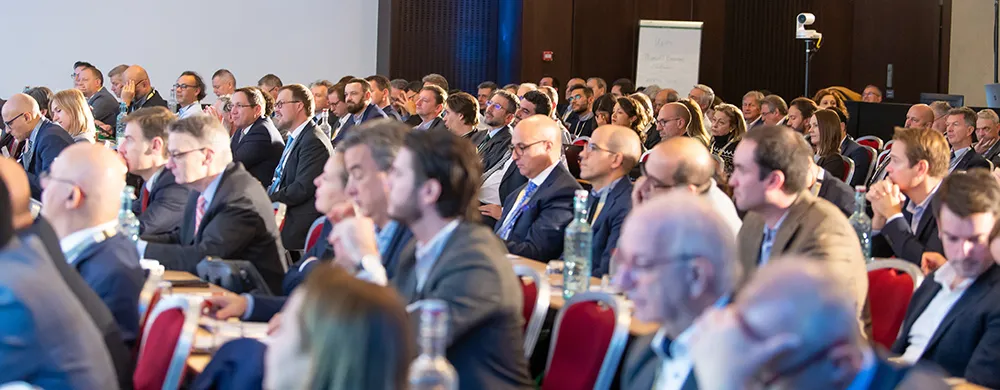
The textbook is the result of four years of intensive research and exchange, the results of which were presented and discussed at the TransITS Conference at the end of May. Over 140 participants from research, public transport providers and associations, the software industry and lobby groups representing transport users attended the conference in Paris.
Under the framework of the TransITS COST Action programme funded by the European Union, researchers from 21 European countries investigated which available ITS developments could be used to benefit public transport and in what ways. They examined how modern technologies can be included in transport models in order to provide decision-makers with a solid basis for investing in implementation.
The results were brought together in an English-language textbook aimed at a broad audience that includes practitioners, decision-makers, researchers and students.
Modelling Public Transport Passenger Flows in the Era of Intelligent Transport Systems also offers practitioners ready-made formulae. "The book takes a detailed look at different models of passenger behaviour and explains the effects of different ITS technologies", says Dr Klaus Nökel, vice president product management and software development at PTV Group.
"Real-time public transport operational management, public transport prioritisation and dynamic passenger information – the use of intelligent transport systems at all levels is fundamentally changing the ways in which public transport is planned and modelled", says Nökel.
The book, which runs to almost 650 pages, shows them how the use of public transport will change over the coming years; how to create a seamless door-to-door mobility experience for passengers; and how to make the design of public transport provision more sensitive to demand by using planning tools and real-time technology.
Edited by Professor Guido Gentile of the Sapienza University of Rome and Dr Klaus Nökel, vice president product management and software development at PTV Group, the will be published in January 2016. Both editors will be present at the856 Transportation Research Board (TRB) 95th Annual Meeting held in Washington, DC from 10-14 January 2016 at Walter E. Washington Convention Center.
The textbook is the result of four years of intensive research and exchange, the results of which were presented and discussed at the TransITS Conference at the end of May. Over 140 participants from research, public transport providers and associations, the software industry and lobby groups representing transport users attended the conference in Paris.
Under the framework of the TransITS COST Action programme funded by the European Union, researchers from 21 European countries investigated which available ITS developments could be used to benefit public transport and in what ways. They examined how modern technologies can be included in transport models in order to provide decision-makers with a solid basis for investing in implementation.
The results were brought together in an English-language textbook aimed at a broad audience that includes practitioners, decision-makers, researchers and students.
Modelling Public Transport Passenger Flows in the Era of Intelligent Transport Systems also offers practitioners ready-made formulae. "The book takes a detailed look at different models of passenger behaviour and explains the effects of different ITS technologies", says Dr Klaus Nökel, vice president product management and software development at PTV Group.
"Real-time public transport operational management, public transport prioritisation and dynamic passenger information – the use of intelligent transport systems at all levels is fundamentally changing the ways in which public transport is planned and modelled", says Nökel.
The book, which runs to almost 650 pages, shows them how the use of public transport will change over the coming years; how to create a seamless door-to-door mobility experience for passengers; and how to make the design of public transport provision more sensitive to demand by using planning tools and real-time technology.
Edited by Professor Guido Gentile of the Sapienza University of Rome and Dr Klaus Nökel, vice president product management and software development at PTV Group, the will be published in January 2016. Both editors will be present at the