
Intermodal ticketing contract for Thales

Public transport users in the Spanish province of Bizkaia are set to benefit from the Barik card, which allows the integration of multiple modes of transport, enabling passengers to use the card on underground, tram, train, bus, cable car, public lift and cycle. Thales is to provide the Biskay Transport Consortium with maintenance for the intermodal payment system, including the central management system software, equipment and point of sale software, and customisation of the cards used by the Transport
October 25, 2013 Read time: 1 min
Public transport users in the Spanish province of Bizkaia are set to benefit from the Barik card, which allows the integration of multiple modes of transport, enabling passengers to use the card on underground, tram, train, bus, cable car, public lift and cycle.

596 Thales is to provide the Biskay Transport Consortium with maintenance for the intermodal payment system, including the central management system software, equipment and point of sale software, and customisation of the cards used by the Transport Consortium of Bizkaia for a period of two years.

Thales has developed the administration and management system for the Barik card, as well as customer service applications, providing the consortium with real-time information on passenger flows, as well as assistance in establishing pricing policies based on real demand and in preventing fraud.
For more information on companies in this article

Related Content

  • European bus system of the future: paving the way for a bus revolution
    October 16, 2012
    The results of the US$33.8 million (€26 million) European Bus System of the Future (EBSF) project have been announced following four years of intensive research and high-profile work. The project, which started in the midst of the financial crisis in 2008 and achieved several key results, aimed to develop a new generation of urban bus systems adapted to the needs of European cities as well as improving the perception of bus transport. By defining the bus system as a whole, rather than looking just at the v
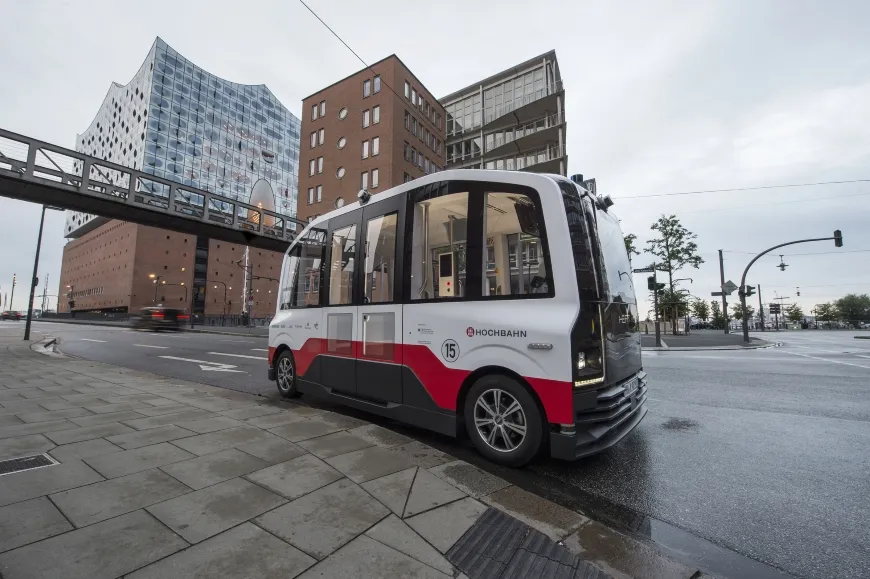
  • Siemens: self-driving minibuses are the future of first-/last-mile
    February 26, 2020
    Markus Schlitt, CEO of intelligent traffic systems at Siemens Mobility, talks to ITS International about safety and why it is important for cities to offer additional shared and connected transit options.
  • Masabi integrates Justride SDK into Transit app
    October 11, 2017
    Mobile ticketing company Masabi has announced its software development kit, Justride SDK, will be integrated into the North America public transport app Transit. The integration will allow agencies to offer riders a one-stop shop that combines every transport mode and lets them buy tickets inside the app. The Justride SDK allows Transit to request fare types, make payments, and deliver visual and barcode tickets to a rider through a ticket wallet, which communicates with Masabi servers to understand comp
  • InfoConnect delivers accurate travel information on all levels
    August 1, 2012
    Deryk Whyte provides an overview of how the New Zealand Transport Agency's InfoConnect concept was developed. Historically, the New Zealand Transport Agency (NZTA) (formerly Transit New Zealand) has faced challenges in communicating effectively with road users, its customers, about highway-related events or incidents in a timely, accurate manner. Prior to 2007, Transit relied on a third-party organisation to collect and disseminate national road condition information. This often resulted in incomplete infor




