Hyperloop One to carry out feasibility study in Dubai

Hyperloop One (H1) is partnering with the Dubai Roads and Transport Authority (RTA) to evaluate the feasibility of building the first commercial hyperloop transportation system from Dubai to Abu Dhabi. The journey is 99 miles (159.4 km) long and normally takes about two hours by car but H1 promises it would take a mere 12 minutes in the hyperloop.
November 11, 2016 Read time: 1 min

8535 Hyperloop One (H1) is partnering with the Dubai Roads and Transport Authority (RTA) to evaluate the feasibility of building the first commercial hyperloop transportation system from Dubai to Abu Dhabi. The journey is 99 miles (159.4 km) long and normally takes about two hours by car but H1 promises it would take a mere 12 minutes in the hyperloop.

H1 revealed an original design concept for the portals and pods that would take passengers from Dubai to Abu Dhabi in H1’s autonomous transportation system.
Hyperloop One will work with McKinsey and architecture and engineering firm BIG to evaluate the concept of a build out for a passenger system in the UAE.

The company announced in October it had received US$50 million in funding from DP World Group of Dubai, the third-largest ports operator in the world, to build a hyperloop system to move cargo throughout the country and the world.

For more information on companies in this article

Related Content

  • Why integrated traffic management needs a cohesive approach
    April 10, 2012
    Traffic control is increasingly being viewed as one essential element of a wider ‘system of systems’ – the smart city. Jason Barnes, Jon Masters and David Crawford report on latest ideas and efforts for making cities ‘smarter’ Virtually every element of the fabric and utilitarian operations that make urban areas tick can now be found somewhere in the mix that is the ‘smart city’ agenda. Ideas have expanded and projects pursued in different directions as the rhetoric on making cities ‘smarter’ has grown. App
  • C/AVs could mean cheaper roads
    October 28, 2019
    The safety benefits of C/AVs have long been promoted – but research suggests they should also contribute to cheaper roads. David Crawford investigates the potential benefits in infrastructure costs Building narrower freeway lanes to accommodate the enhanced route-tracking capabilities of connected and autonomous vehicles (C/AVs), running in platoon conditions, could result in cost savings of £0.5 million (€0.56 million or US$6.5 million) for every km of road length built. Such benefits could be secur
  • Autonomous taxi hits Abu Dhabi streets 
    February 17, 2022
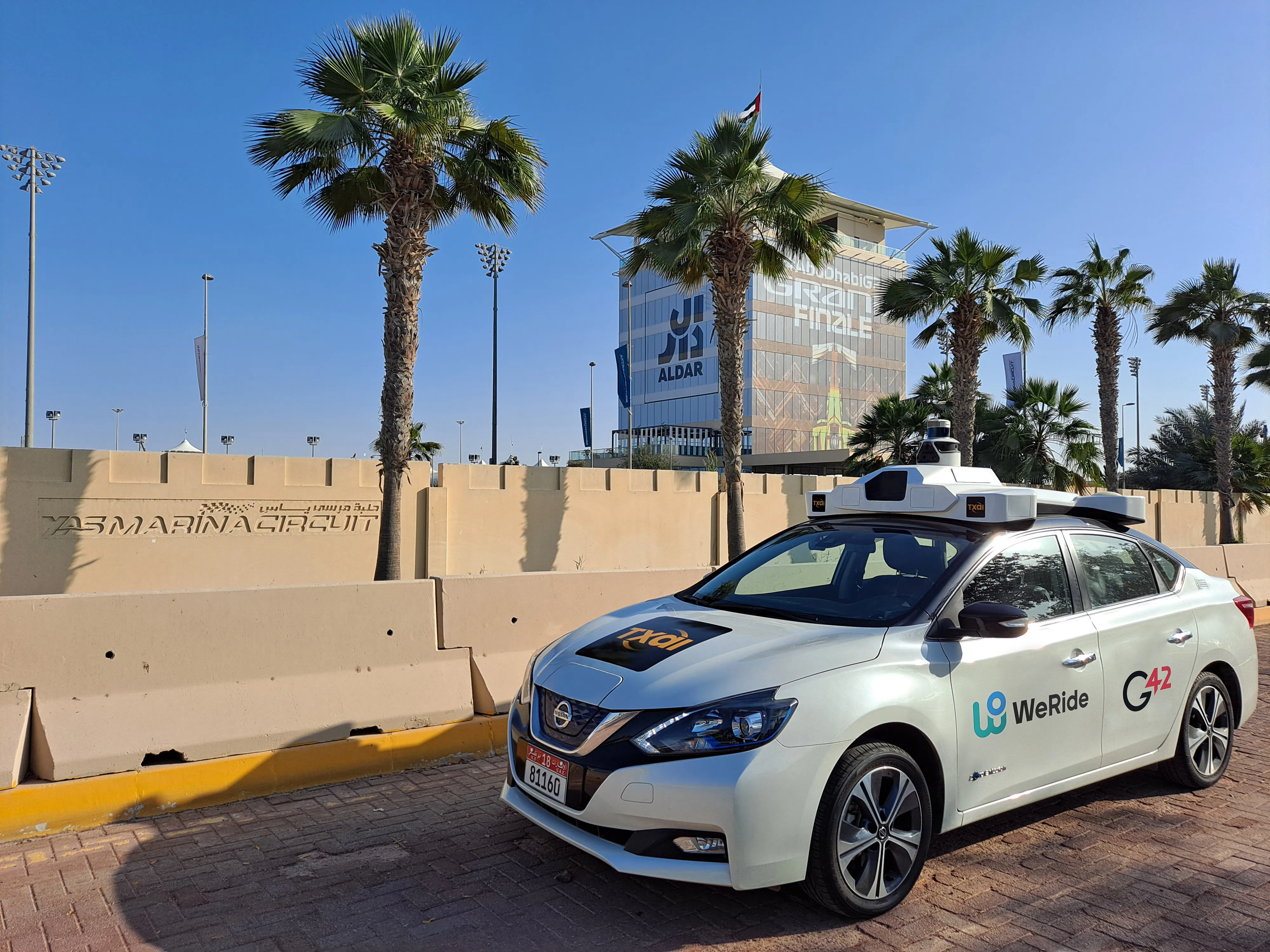
    Bayanat and WeRide are behind phase one trial of TXAI service, with phase two in mid-2022
  • The sunshine subsidy for Colorado’s tollways
    January 10, 2014
    David Crawford reports on energy cost cutting on US highways. Just over a year after switch-on and with two global awards under its belt, the longest solar-powered toll road in the US is generating heightened interest in highway applications of alternative energy. The E-407, which loops around the eastern perimeter of the Denver metropolitan area in Colorado, won the International Bridge, Tunnel and Turnpike Association (IBTTA) President’s Overall Award for Excellence at its September 2013 Annual Meeting in