
European Commission: progress in Europe towards clean technology and alternative fuels

Progress is being made towards implementing clean transport technologies and alternative fuels, according to a new Cleaner Transport report from European Commission, funded by Transport Research Innovation Porta (TRIP). The report also found an increase in the deployment of biofuels for road transport and that softer measures to encourage passengers to adopt lower-emission options are leaving to CO2 reductions. The Cleaner Transport report collected outcomes from over €2.8 billion worth of clean transport
October 5, 2017 Read time: 2 mins

Progress is being made towards implementing clean transport technologies and alternative fuels, according to a new Cleaner Transport report from 1690 European Commission, funded by Transport Research Innovation Porta (TRIP).

The report also found an increase in the deployment of biofuels for road transport and that softer measures to encourage passengers to adopt lower-emission options are leaving to CO2 reductions.

The Cleaner Transport report collected outcomes from over €2.8 billion worth of clean transport research and innovation projects throughout Europe with a focus on five priority areas: alternative fuels; modal shift; electromobility; low-emissions logistics; vehicle design and manufacture – aviation and maritime; vehicle design and manufacture – road and rail; automation and modern infrastructure.

Recommended areas for future research include expanding alternative fuels beyond passenger cars to shipping and aviation as well as a focus on how autonomous driving can support cleaner mobility.

Gareth Horton, TRIP lead analyst said the report “reveals areas where technology and policy development are leading to multi-modal emissions reduction, including in passenger cars, public transport, shipping and air travel. It also suggests directions for Europe’s researchers and policy makers to focus on, to unlock the full benefits of clean and sustainable transport.”

For more information on companies in this article

Related Content
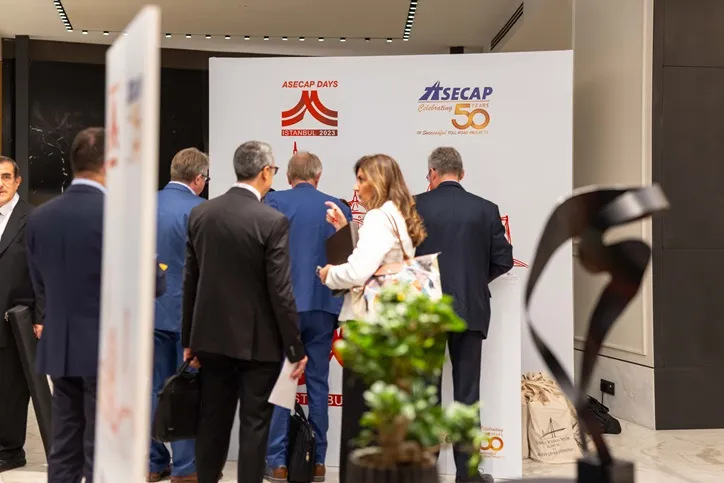
  • Asecap Days 2023: Data drives the best decisions
    December 22, 2023
    Almost all the data being collected by highway operators is going to waste. But if firms collect and analyse these ‘vast lakes of data’ they can investigate threats, monitor management systems and drive up revenues, delegates were told at Asecap Days 2023. Geoff Hadwick reports
  • MaaSLab research assesses Londoners’ attitude to MaaS
    March 28, 2018
    As delegates head for our second MaaS Market Conference, Colin Sowman examines a new report looking at the potential impact of Mobility as a Service on London’s travellers and transport providers. In the run-up to ITS International’s MaaS Market (London) conference, a new independent report examining the travelling public’s appetite for Mobility as a Service (MaaS) has been published. Until now, there has been no real evidence base to evaluate the extent to which MaaS could change travel behaviour in
  • EU offers $82 million for greener freight transport
    June 25, 2012
    The European Commission's (EC's) second Marco Polo funding programme for projects which shift freight transport from the road to sea, rail and inland waterways, has launched a call for proposals to reduce road congestion and also the impact of freight transportation upon the environment. The call for proposals is worth US$82 million. Companies who are able to transfer their freight from the roads, and use alternative transportation methods such as by sea, rail and inland waterways will receive grants under
  • Impact of extreme weather phenomena on European transport system
    January 23, 2012
    The VTT Technical Research Centre of Finland's Pekka Leviäkangas writes about the initial results of the EWENT project, which was set up to research the effects of severe weather on the European transport network. The European EWENT (Extreme Weather impacts on European Networks of Transport) project, financed by the European Commission under 7th Framework Programme for Research, recently issued its first Work Package (WP1) report. This is a review of extreme weather phenomena and their effects on the Europe




