Ericsson demos autonomous parking via solar energy

Ericsson has launched a solar-powered car which finds out which parking spot contains the most sunshine and then moves to position itself accordingly. The company says it can drive autonomously to a particular space to recharge its batteries. The experimental Stella Era vehicle, which has a range of 1,800km, is equipped with Ericsson’s Solar Smart parking solution and can also share its energy with other electric vehicles parked next to it, the company adds. Solar Smart parking is based in Ericsson’s c
November 13, 2019 Read time: 2 mins

5650 Ericsson has launched a solar-powered car which finds out which parking spot contains the most sunshine and then moves to position itself accordingly.

The company says it can drive autonomously to a particular space to recharge its batteries.

The experimental Stella Era vehicle, which has a range of 1,800km, is equipped with 5650 Ericsson’s Solar 8034 Smart parking solution and can also share its energy with other electric vehicles parked next to it, the company adds.

Solar Smart parking is based in Ericsson’s connected vehicle cloud, a digital platform aimed at helping vehicle manufacturers deploy and manage new services for connected vehicles.

Solar Team Eindhoven - a group of students from the Technical University Eindhoven in the Netherlands - designed and constructed Stella Era.

Ericsson’s country manager Everth Flores says: “The development of a solar car is an excellent example of our commitment to contribute to the UN Sustainable Development Goals.”

For more information on companies in this article

Related Content

  • Running on empty
    May 2, 2018
    Drivers are an increasingly rare species on Europe’s commuter metros as unattended train operation is embraced. David Crawford takes a low-speed tour of the continent’s capitals to see what’s happening. Unattended train operation (UTO) is fast becoming the norm for Europe’s metros, on existing as well as new lines. November 2017 statistics published by the International Association of Public Transport (UITP) show the continent as having 28% of the global total of route km on lines operating at the ultimate
  • Here and Mitsubishi unveil road hazard alert system
    May 22, 2019
    Here Technologies has piloted a system with Mitsubishi Electric which it claims can enable vehicles to automatically warn others about upcoming road hazards with lane-level precision Here says the Lane Hazard Warning platform enables an event detected by a vehicle’s sensors – such as a slow car or pothole – to be localised to a specific lane. This information can then be transmitted in real time via the cloud to other vehicles approaching the same area, the company adds. Hiroshi Onishi, executive office
  • Keys to the Kingdom
    May 1, 2025
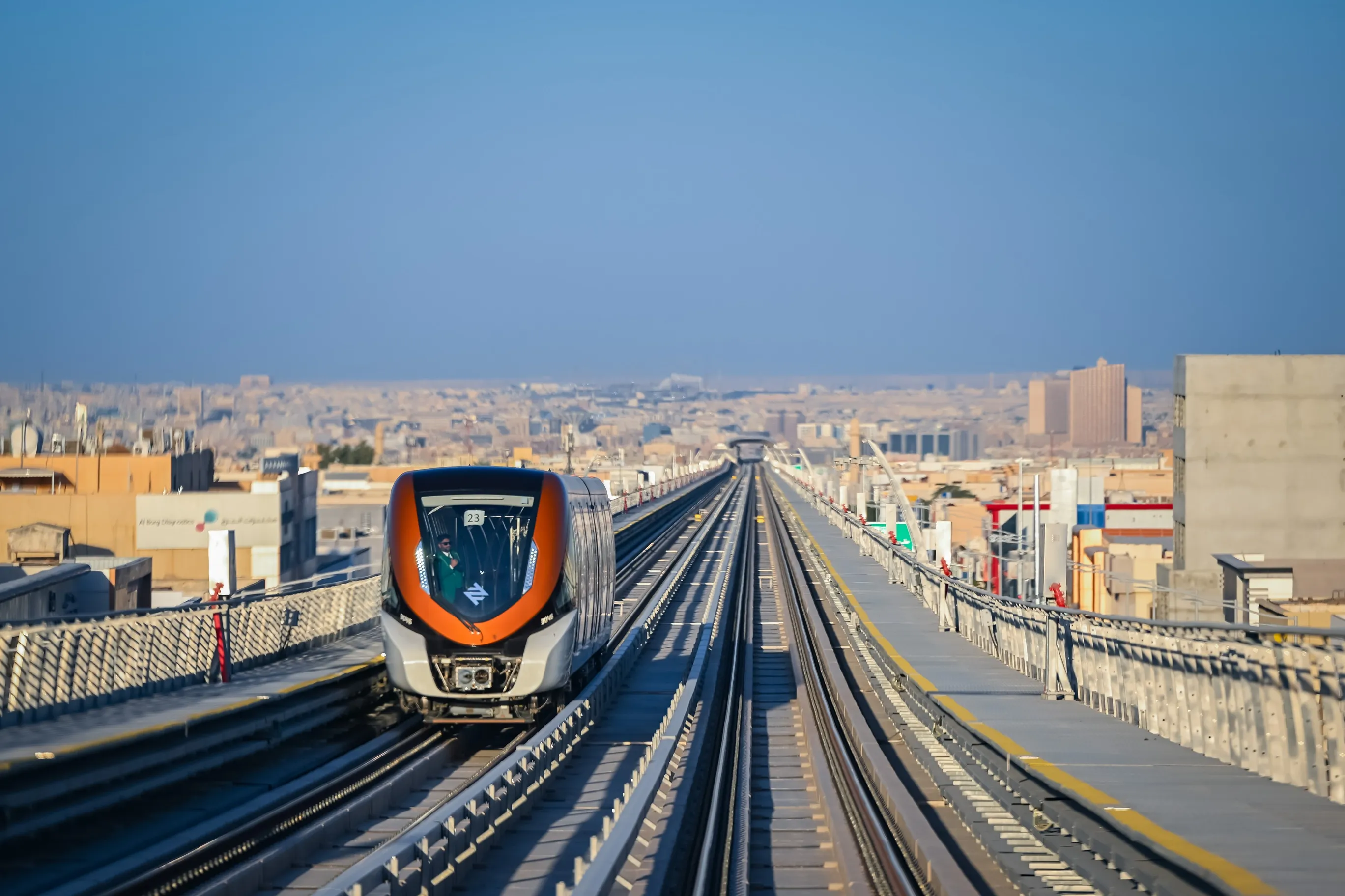
    Saudi Arabia is investing heavily in smart infrastructure projects. Zeina Nazer takes a look at them – from Riyadh Metro to the controversial ‘vertical urbanism’ of The Line
  • Avoiding the call of the wild
    June 29, 2018
    Hitting an animal on a rural road can be fatal for all parties involved – but detecting and avoiding them requires clever technology. Andrew Williams carefully scans the horizon for details. Wildlife-vehicle collisions are an ever-present threat in rural areas around the world, and there is certainly nothing funny about suddenly finding an angry moose in your headlights on a sharp bend. A variety of detection and avoidance systems are currently in use or under development to help prevent your vehicle being