CTDoT goes contactless in mass transit trial

Tap & Ride initiative funded by $2m grant from USDoT Smart programme
By Adam Hill October 18, 2024 Read time: 2 mins
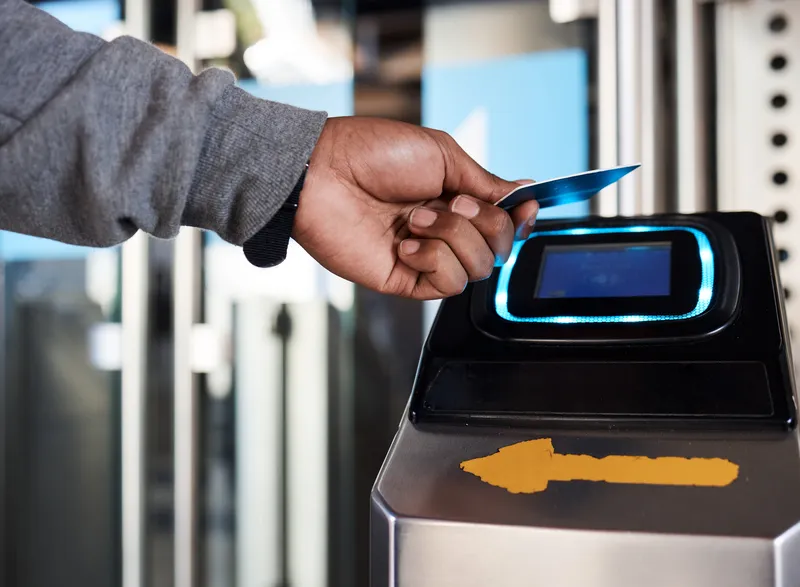
Daily cap is $3.50, with $52.50 the monthly cap allowance (© Yuri Arcurs | Dreamstime.com)

The Connecticut Department of Transportation (CTDoT) has launched a pilot programme which allows bus riders to make contactless payments for their fare.

Visa or Mastercard debit card, credit card, or mobile wallet can be used on readers on River Valley Transit and CTtransit Meriden Division buses.

No downloads or sign-ups are necessary for the Tap & Ride initiative, CTDoT says.

It is funded through a $2 million grant from the USDoT’s Strengthening Mobility and Revolutionising Transportation (Smart) programme, which was established by the Bipartisan Infrastructure Law. 

“Contactless payments have become a part of everyday life," says CTDoT bureau chief of public transportation Benjamin Limmer.  

"We want our transit customers to have a quick and convenient experience when it comes to paying fares, one that doesn’t require them to have exact change or even download a mobile app." 

Connecticut will test the technology and develop a roadmap for large-scale implementation of contactless across the state's bus services.

On the first tap of the day, riders will be charged $1.75, and can then transfer and tap for free on any bus with the Tap & Ride contactless payment readers for the next two hours.

If you tap again after two hours, you will be charged another $1.75 - reaching the day cap of $3.50.

Riders can then transfer and tap for free for 24 hours from the first tap.

Within a 31-day period, if contactless fare payments add up to $52.50, riders will not be charged for any additional taps made until the end of that period - but customers must use the same payment method for every tap to receive the benefit of fare capping, CDoT warns.

For more information on companies in this article

Related Content

  • Commuting habits come under scrutiny
    March 28, 2017
    Cities have a moral responsibility to encourage the smart use of transportation and Andrew Bardin Williams hears a few suggestions. Given the choice of getting a root canal, doing household chores, filing taxes, eating anchovies or commuting to work, nearly two-thirds of Americans said that they wouldn’t mind commuting into work—at least according to a poll conducted by Xerox (now Conduent) over its social media channels at the end of 2016.
  • Maryland provides bus crowding info 
    December 21, 2021
    Partners will eventually provide real-time info for Metro SubwayLink and Light RailLink 
  • Big data helps San Diego optimise public transit
    July 14, 2014
    San Diego Metropolitan Transit System (MTS) has turned to Cubic’s big data subsidiary Urban Insights to make better use of its data, according to a report in Information Week. The agency has disparate data sources, including a smart-card payment system, GPS-based automatic vehicle location devices on buses, automatic passenger counters on trolleys, and extensive route and schedule information formatted in the general transit feed specification (GTFS) format developed by Google in 2006. "We look at all
  • Spin: work with cities to optimise micromobility
    September 15, 2020
    E-scooter providers must form close partnerships with local governments to create a successful operating environment which the public will accept and embrace, says Spin