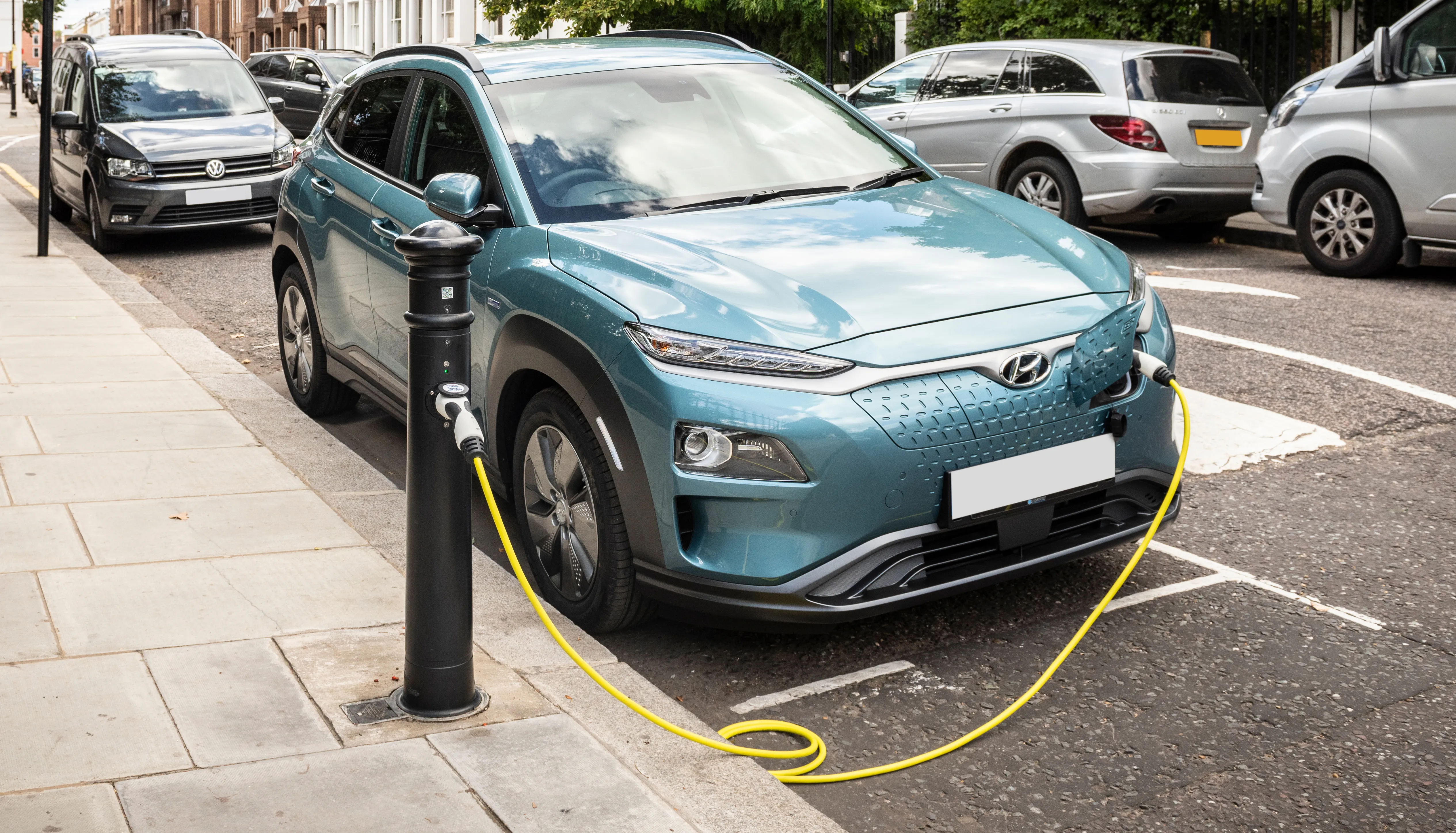
The CarConnect project, which aims to help the electricity industry better understand how plug-in electric vehicles (PIVs) charge at home in harmony with the electricity grid, is now under way in the UK.
It is known from other projects that clusters of PIVs will have an impact on local electricity networks; analysis from the recently completed My Electric Avenue project indicates that by 2050 the electricity industry in Great Britain may have to invest an additional US$3.6 billion (£2.2 billion) to upgra

The CarConnect project, which aims to help the electricity industry better understand how plug-in electric vehicles (PIVs) charge at home in harmony with the electricity grid, is now under way in the UK.
It is known from other projects that clusters of PIVs will have an impact on local electricity networks; analysis from the recently completed My Electric Avenue project indicates that by 2050 the electricity industry in Great Britain may have to invest an additional US$3.6 billion (£2.2 billion) to upgrade electricity supply infrastructure to customer premises owing to the additional demand from plug-in-vehicles.
The project will run for three and a half years and will: Develop and deliver an electricity network modelling tool that will enable6618 Western Power Distribution to identify which parts of their network are susceptible to plug-in-vehicle loads and to assess solutions to avoid network reinforcement works; Develop a method for monitoring the effect of plug-in-vehicles on low voltage networks that will inform the network modelling tool development; Recruit and manage a mass-market customer trial to prove the technical/economic viability of plug-in-vehicle/V2G demand control to avoid or defer network reinforcement.
Set to be the largest PIV project in the world, CarConnect will be working with up to 700 EV drivers in its trials to ensure that such systems are acceptable.
CarConnect is hosted by Western Power Distribution (WPD), the distribution network operator (DNO), and delivered by EA Technology, Drive Electric and Lucy Electric Gridkey. TRL will take on a project oversight role, on behalf of WPD. Funded through the Network Innovation Allowance, CarConnect will find solutions that could avoid the need to replace electricity substations and cables to customers’ homes and workplaces, saving significant cost and disruption to customers.
CarConnect will develop and investigate whether PIV demand control services, that can reduce stop or even reverse charging at certain times of day, can be delivered in a way that meets drivers’ needs for charge for journeys, sharing charge constraints out amongst a wide group of customers and using vehicle-to-grid systems to help in balancing supply and demand.
It is known from other projects that clusters of PIVs will have an impact on local electricity networks; analysis from the recently completed My Electric Avenue project indicates that by 2050 the electricity industry in Great Britain may have to invest an additional US$3.6 billion (£2.2 billion) to upgrade electricity supply infrastructure to customer premises owing to the additional demand from plug-in-vehicles.
The project will run for three and a half years and will: Develop and deliver an electricity network modelling tool that will enable
Set to be the largest PIV project in the world, CarConnect will be working with up to 700 EV drivers in its trials to ensure that such systems are acceptable.
CarConnect is hosted by Western Power Distribution (WPD), the distribution network operator (DNO), and delivered by EA Technology, Drive Electric and Lucy Electric Gridkey. TRL will take on a project oversight role, on behalf of WPD. Funded through the Network Innovation Allowance, CarConnect will find solutions that could avoid the need to replace electricity substations and cables to customers’ homes and workplaces, saving significant cost and disruption to customers.
CarConnect will develop and investigate whether PIV demand control services, that can reduce stop or even reverse charging at certain times of day, can be delivered in a way that meets drivers’ needs for charge for journeys, sharing charge constraints out amongst a wide group of customers and using vehicle-to-grid systems to help in balancing supply and demand.