More than 4.3 million green lights were activated in the US last year for emergency vehicles using Applied Information’s Glance pre-emption traffic management system, the firm says.
The result was in excess of 13,000 hours of travel time saved by fire, ambulance and police vehicles, based on fleet-wide averages. Response times were reduced by an average of 18%.
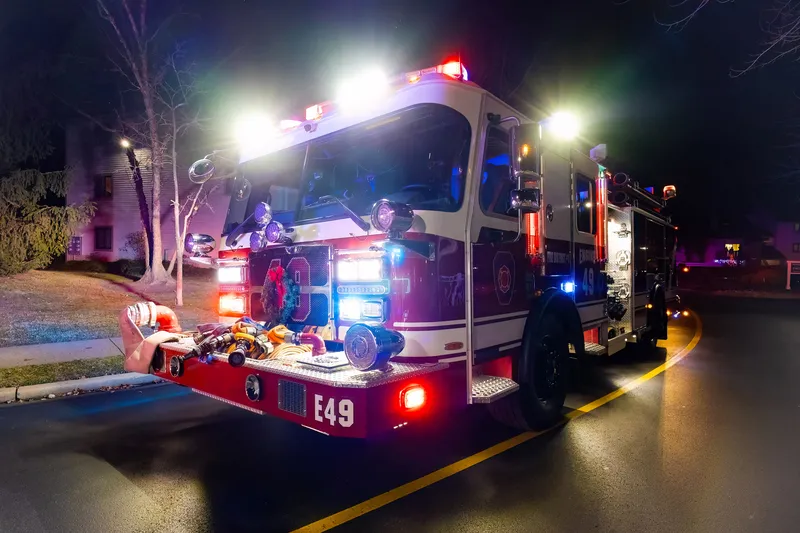
Applied said that its Glance system - used by more than 1,450 transportation agencies across North America - also reduces accidents involving emergency vehicles and the public. It does this by providing the emergency vehicle a series of green lights in the direction of travel and bringing all other traffic to a halt.
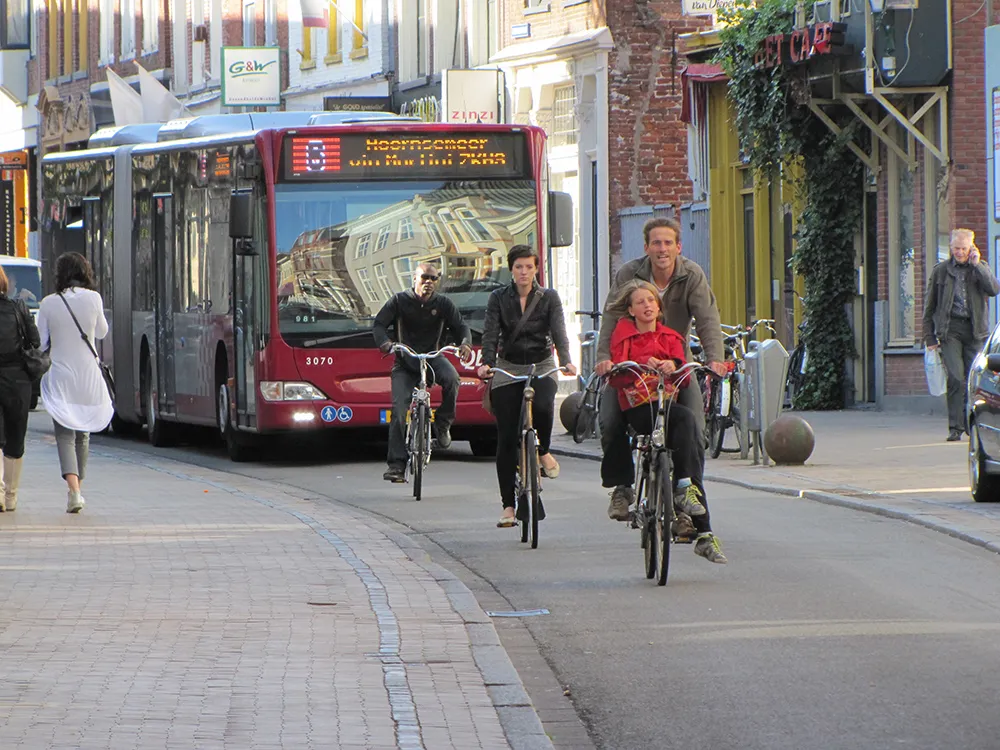
It avoids unscheduled stops by shortening the time of red lights or by extending the green light until the bus can pass through the intersection, and works on buses with a supplied vehicle communications unit or can be virtual by using an existing automatic vehicle location system.
According to the US National Fire Protection Association, 19,225 collisions involved fire department emergency vehicles in 2023, resulting in 1,450 injuries.
"In addition to the time savings, our responses are safer for our firefighters and the public," said Tim Milligan, fire chief of the city of Marietta in the US state of Georgia. "Having all opposing traffic stopped by the time the fire apparatus arrives at an intersection eliminates the potential for accidents, which we see demonstrated daily."
Public transportation buses equipped with Glance transit signal priority made 5.1 million trips in 2024 and avoided nine million unscheduled stops at traffic signals.
According to numerous studies, transit signal priority increases on-time performance, reduces fuel consumption and emissions, reduces driver workload and improves traffic flow in the direction of bus travel. It is generally unnoticed by side street motorists, Applied suggests.
It creates a better commuting experience for transit riders, said Mike Tremblay, director of transit development for the greater Portland metro region in the US state of Maine:. "Additionally, avoiding unnecessary stops at traffic signals saves fuel, reduces emissions and wear and tear on our vehicles."
“We know Glance helps first responders save lives and improves the quality of life for those who rely on public transit,” said Bryan Mulligan, president of Applied Information. “This data lays out in numbers the improvements to daily life that this technology can bring about when working with our partner agencies across North America.”