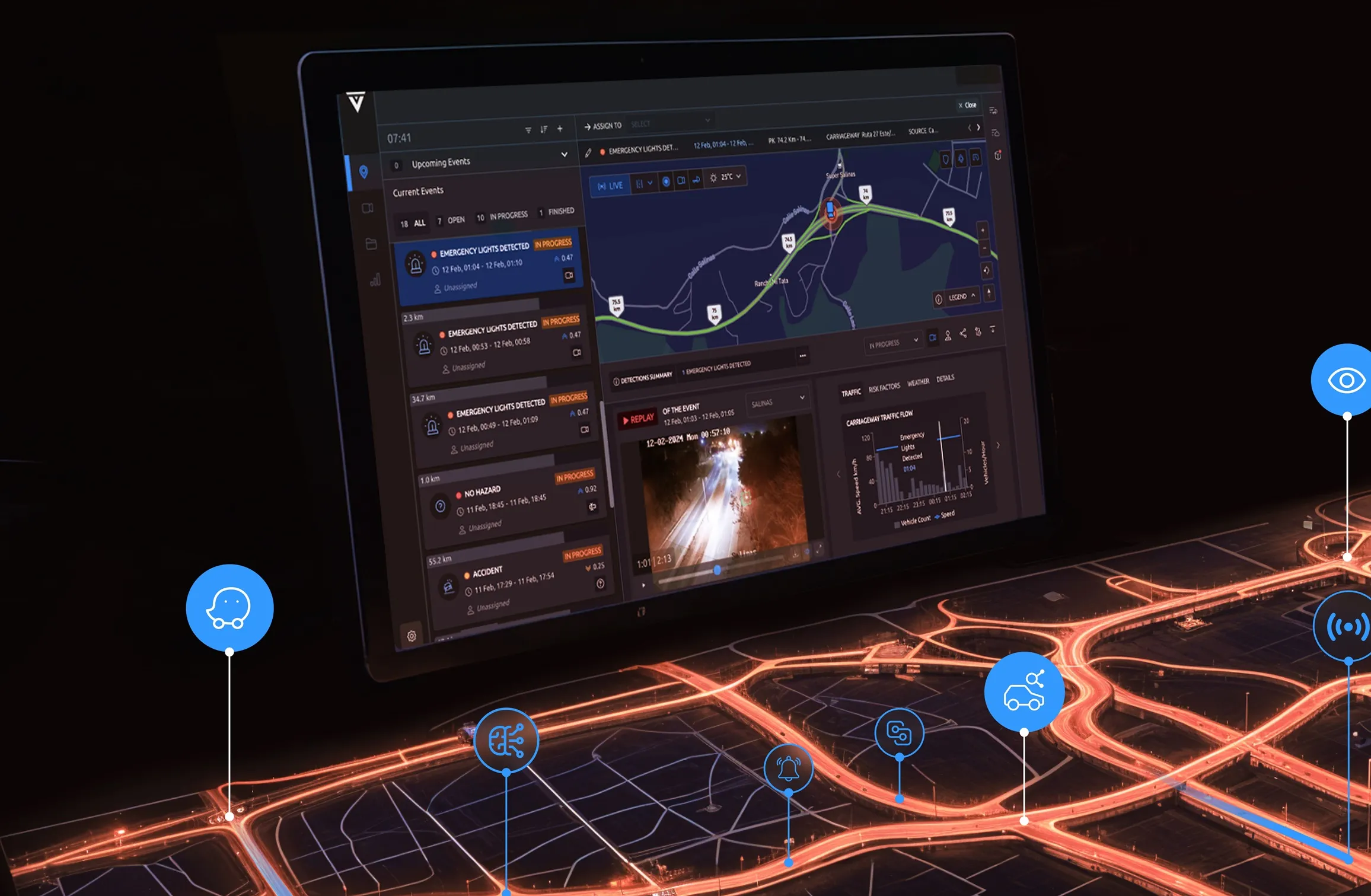
A new mathematic algorithm that can predict commuter train delays up to two hours in the future has been developed in Stockholm, Sweden, by the city’s commuter train operator, Stockholmstag, and mathematician Wilhelm Landerholm.
The ‘commuter prognosis’ uses big data to visualise the entire commuter train system two hours into the future, simultaneously calculating how the delay affects other trains in the system and automatically providing the information to traffic control centres, enabling them to in

A new mathematic algorithm that can predict commuter train delays up to two hours in the future has been developed in Stockholm, Sweden, by the city’s commuter train operator, Stockholmstag, and mathematician Wilhelm Landerholm.
The ‘commuter prognosis’ uses big data to visualise the entire commuter train system two hours into the future, simultaneously calculating how the delay affects other trains in the system and automatically providing the information to traffic control centres, enabling them to inform passengers.
Its developers claim the algorithm can be adapted for use on other public transportation systems in the future.
“We have built a prediction model using big data that lets us visualise the entire commuter train system two hours into the future. We can now forecast disruptions in our service and our traffic control centre can prevent the ripple effects that actually cause most delays. This is the next generation forecasting tool for the commuter train industry,” says Mikael Lindskog, communications director at Stockholmstag, the commuter train operator in Stockholm.
The algorithm works like a seismograph; when a train is delayed, it forecasts the effect of delay on the entire network by using historic data.
“The effects of one delayed train can quickly multiply within the entire train network. Today the traffic control centre analyses delays manually in order to prevent future delays. By automating the forecasting we can raise our service level significantly. The ‘commuter prognosis’ will be the first automated forecasting model of its kind. In a long time perspective it’s possible that it will change how traffic control centres all over the world work,” says Lindskog.
The ‘commuter prognosis’ uses big data to visualise the entire commuter train system two hours into the future, simultaneously calculating how the delay affects other trains in the system and automatically providing the information to traffic control centres, enabling them to inform passengers.
Its developers claim the algorithm can be adapted for use on other public transportation systems in the future.
“We have built a prediction model using big data that lets us visualise the entire commuter train system two hours into the future. We can now forecast disruptions in our service and our traffic control centre can prevent the ripple effects that actually cause most delays. This is the next generation forecasting tool for the commuter train industry,” says Mikael Lindskog, communications director at Stockholmstag, the commuter train operator in Stockholm.
The algorithm works like a seismograph; when a train is delayed, it forecasts the effect of delay on the entire network by using historic data.
“The effects of one delayed train can quickly multiply within the entire train network. Today the traffic control centre analyses delays manually in order to prevent future delays. By automating the forecasting we can raise our service level significantly. The ‘commuter prognosis’ will be the first automated forecasting model of its kind. In a long time perspective it’s possible that it will change how traffic control centres all over the world work,” says Lindskog.