
Siemens launches Zephyr air monitoring

Integrated with traffic management systems, it measures a range of pollutants
By David Arminas July 3, 2020 Read time: 2 mins
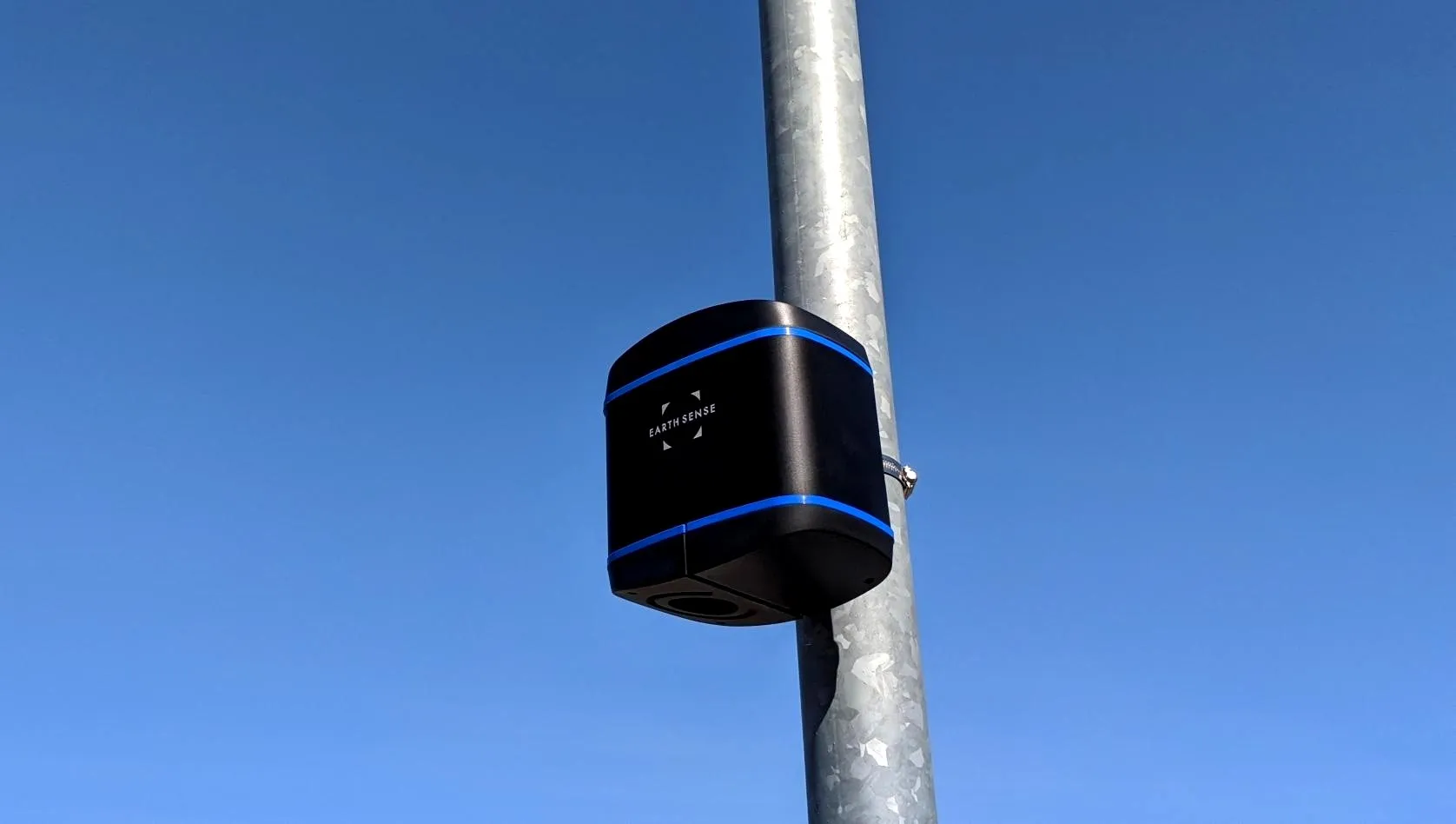
Zephyr is easy to install on any traffic signal pole or lighting column

Siemens Mobility and air quality experts EarthSense have launched the Zephyr air quality measurement system for traffic management.

By fully integrating the Zephyr air quality sensor with the traffic signal controller and traffic management system, quality can be measured and monitored in real time.

This allows authorities to make meaningful and timely interventions through Siemens Mobility’s Stratos traffic management system, implementing strategies based on reliable pollution data and prevailing air quality levels.

Zephyr, which is offered as a managed service, has a compact air quality sensor which measures a range of pollutants as well as temperature and humidity to capture an accurate picture of the ambient air quality.

The sensor has a replaceable cartridge system and active sampling process to measure nitrogen dioxide (NO2), nitrogen monoxide (NO), and ozone (O3), as well as particulate matters PM1, PM2.5 and PM10.

Carbon monoxide (CO), hydrogen sulphide (H2S) and sulphur dioxide (SO2) can also be measured, if required, explained Wilke Reints, managing director for the intelligent traffic systems section of Siemens Mobility in the UK.

The system’s real-time monitoring capabilities helps cities meet their air quality targets without putting too much pressure on local economies.

Siemens says that Zephyr is quick and easy to install and commission on any traffic signal pole or lighting column, either as part of a new scheme or retrofitted to existing infrastructure.

It comes in power options, including solar with battery backup and mains.

The device can be connected to low voltage, extra-low voltage and third-party controllers through either a rack-mounted or signal head-mounted power supply.

For more information on companies in this article

Related Content

  • Siemens to deliver charging solutions to electric buses to Denmark
    April 11, 2018
    Siemens has entered a three-year agreement with Denmark’s public transport authority Movia to deliver charging stations with a top-down pantograph for electric buses to help slash particle and noise pollution and CO2 emissions. The transaction could potentially benefit 45 municipalities including the city of Copenhagen and Region Zealand. Last year, these towns and two regions of Zealand made a commitment to achieve C02-neutral bus transport by 2030 as part of Movia’s Mobility Plan 2016. In addition, t
  • Machine vision’s transport offerings move on apace
    June 30, 2016
    Colin Sowman considers some of the latest advances in camera technology and transport-related vision technology applications. Vision technology in the transportation sector is moving apace as technical developments on both the hardware and software sides combine to make cameras more multifunctional with a single digital camera now able to cover a multitude of tasks.
  • VivaCity senses change in the air in Sheffield
    September 7, 2023
    Sensors will assess whether UK city's Clean Air Zone is cutting harmful levels of NO2
  • ITS asset management matters
    April 26, 2013
    Maintenance of on-road ITS kit needs to become more sophisticated; while new technologies can deliver better road maintenance. David Crawford investigates both sides of the issue "Good information is key to effective ITS asset maintenance,” says Ian Routledge of the Ian Routledge Consultancy (IRC), whose Imtrac (Information Management for TRAffic Control) system is poised for European expansion. Developed as an ‘intelligent filing cabinet’ for storing information about on-road equipment, the online database




