
Maryland targets 2030 e-bus transition

Maryland DoT MTA to change 50% of diesel/hybrid buses to zero-emission in next eight years
By Ben Spencer January 7, 2022 Read time: 2 mins
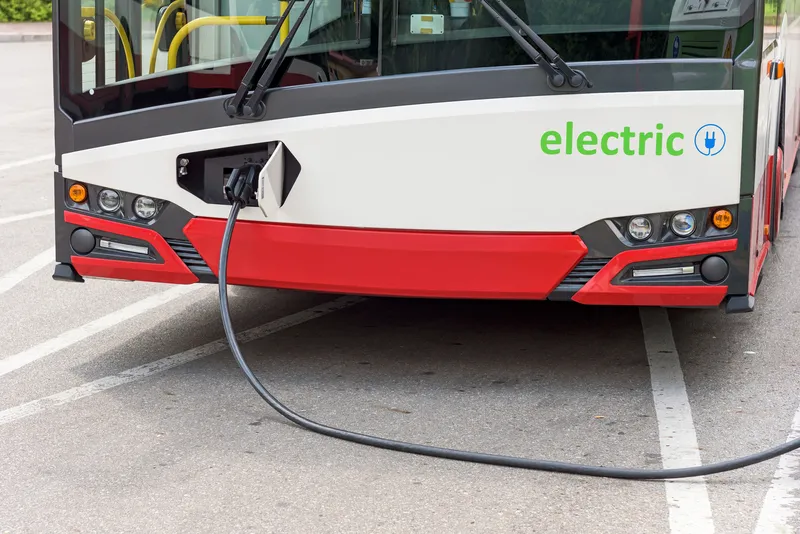
MDoT MTA predicts around 500 million pounds of CO2 emissions will be avoided though using ebuses between 2025-2030 (© Mkos83 | Dreamstime.com)

The Maryland Department of Transportation Maryland Transit Administration (MDoT MTA) is to transition to a zero-emission bus (Zeb) fleet to replace older diesel-fuelled and hybrid buses. 

The incremental approach is expected to meet the requirements of Maryland’s new Zero-Emission Bus Transition Act, which mandates all new buses procured for the state’s transit fleet be emission-free beginning in 2023.

MDoT MTA administrator Holly Arnold says: “Zero emission buses are a win-win for the citizens of Maryland who get to enjoy cleaner air while knowing their transit agency is doing its part to address climate change.”

The agency has established goals in undertaking the transition to a Zeb fleet, including a commitment to convert 50% of its bus fleet to zero-emission by 2030. 

The MDoT MTA calculations project that about 500 million pounds of carbon dioxide (CO2) emissions will be avoided through the use of electric buses instead of diesel buses in the years between 2025-2030.

MDoT secretary Greg Slater says: “We’re using technology and innovation to improve service, operations, connectivity and the rider experience. Zero-emission buses serve that mission, and also advance Maryland’s greenhouse gas reduction goals.”

As part of the move, the agency will continue to evaluate the developments in hydrogen fuel cell vehicles. 
The MDoT MTA says this approach will enable it to purchase the newest technology as advancements occur in this field while also giving it time to develop charging stations. 

The first Zeb programme is scheduled to launch in 2023, with the arrival of seven battery-electric buses. 

 

For more information on companies in this article

Related Content

  • BYD supplies electric buses to Toronto Transit Commission
    July 25, 2018
    BYD Canada will deliver ten 40-foot, electric buses to support the Toronto Transit Commission’s (TTC’s) commitment to establishing a zero-emission fleet by 2040. According to BYD, TCC intends to purchase only emission-free buses from 2025. Ted Dowling, BYD Canada’s vice president, says: “These first ten buses alone will mean a carbon reduction of 700 Metric tons every year.”
  • Westcat switch buses to renewable diesel to reduce emissions
    February 19, 2018
    Californian public transportation service Western Contra Costa Transit Authority's (WestCat's) fleet of 45 buses is now running on My Neste Renewable Diesel to help slash emissions. The fuel is designed with the intention of cutting greenhouse gas emissions by up to 80% and reducing engine-out emissions. In addition, WestCat has claimed that the fuel transition has led to a reduction in the maintenance required for emissions equipment and internal engine components.
  • Metro to slash greenhouse gas in Washington
    May 1, 2019
    The Washington Metropolitan Area Transit Authority (Metro) has introduced a five-year Energy Action Plan to reduce energy usage and cut greenhouse gas emissions in the US capital. Once fully implemented, it is expected to net $16 million annually in energy cost savings and another $13 million in savings on operations and maintenance expenses by 2025. The plan is part of a commitment by Metro to invest $65m from its capital budget by 2025 in energy efficiency technology, modernise operations and redu
  • Investment in transport systems a powerful driver of long-term growth
    May 30, 2013
    According to a new OECD report, boosting private sector investment in sustainable transport infrastructure will be essential as governments seek to meet long-term economic and environmental objectives at a time of constrained public finances. Mobilising Private Investment in Sustainable Transport: The Case of Land-Based Passenger Transport Infrastructure points out that investment in transport systems is a powerful driver of long-term growth. It also notes, however, that the transport sector is the second l



