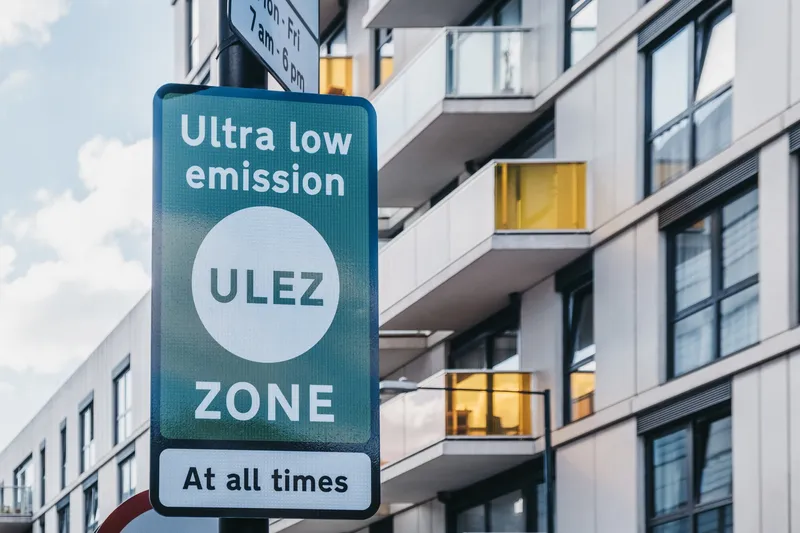
Several councils in London are digging in their heels over the proposed expansion of the UK capital's ultra low emissions zone (ULEZ).
Mayor of London Sadiq Khan plans to expand the ULEZ to all the city's boroughs from 29 August this year, which means drivers of older or more polluting vehicles will have to pay £12.50 a day in the zone.
But he is facing pushback and a potential legal battle, according to London's Evening Standard, which says an extra 2,750 ANPR enforcement cameras would be needed.
Sutton Council, in the south of London, has refused to enter into a section 8 agreement under the Highways Act 1980, which would enable Transport for London to implement the infrastructure changes - including camera installation - required.
Council leader Ruth Dombey said she would continue to seek to delay the roll-out of the scheme - even though the mayor says the ULEZ expansion is needed to address the 4,000 Londoners he says die prematurely each year due to air pollution.
But Dombey counters: “We all understand the importance of clean air and recognise the impact pollution has on the lives of people living in our city."
"But we also have to recognise the pressures our residents are facing with the soaring cost of living. Over 70% of residents in Sutton have ULEZ-compliant vehicles, that means nearly 30% do not and in a matter of months the mayor is expecting our residents to stump up the cash to change their car or use public transport that doesn’t exist."
Dombey insists that ULEZ expansion "must be accompanied by significant investment in public transport, a fair and comprehensive scrappage scheme and an extension of the planned implementation date".
Bromley, Bexley, Harrow and Hillingdon councils are to “examine the legal basis” of the plan, the Standard reports.
The mayor's office says the ULEZ changes are aimed at tackling "the triple challenges of toxic air pollution, the climate emergency and traffic congestion".
It says London has made "significant progress over the last six years in improving air quality".
But toxic air caused by traffic causes the greatest number of deaths in London’s outer boroughs, "which the ULEZ doesn’t currently cover".
"There has also been a slower rate of improvement in air quality in outer London than in central and inner London," it concludes.