WSP/Parsons Brinckerhoff to develop Staten Island transportation improvement strategy

WSP/Parsons Brinckerhoff is to develop a transportation improvement strategy (TIS) to address existing congestion and physical/geometrical issues as well as projected future development on the North Shore of Staten Island. The study, which emerges from the recommendations developed as part of the North Shore 2030 Plan, will be carried out on behalf of the New York City Economic Development Corporation, the New York City Department of City Planning and the New York City Department of Transportation. The s
March 22, 2016 Read time: 2 mins
6666 WSP/4983 Parsons Brinckerhoff is to develop a transportation improvement strategy (TIS) to address existing congestion and physical/geometrical issues as well as projected future development on the North Shore of Staten Island.

The study, which emerges from the recommendations developed as part of the North Shore 2030 Plan, will be carried out on behalf of the New York City Economic Development Corporation, the New York City Department of City Planning and the New York City Department of Transportation.

The study area encompasses the three main arteries connecting Staten Island’s busiest neighbourhoods to most of the borough’s popular destinations. These corridors lead to four large development projects on the North Shore, as well as to the borough’s main transportation hub, the St. George Ferry Terminal. In addition, the Bay Street corridor runs through the area targeted by the city for a neighbourhood re-zoning plan with the goal of creating new housing opportunities.

The arteries have limited capacity and are irregular in their design, and there is community concern that future development will add to existing congestion in the area. The study will recommend improvements related to addressing the demands exerted by new development, and the need for improved mobility and safety, and will establish strategies for transportation improvements for all modes, including pedestrian, ferry, bus, bicycle, and motor vehicles. Existing transportation challenges will be identified, as well as challenges and opportunities anticipated in the near future.

The final TIS document is expected to be completed in summer 2016.

For more information on companies in this article

Related Content

  • UK Spending Review ‘increases capital investment in transport by 50%’
    November 26, 2015
    UK Chancellor George Osborne announced major investments in transport in the government’s Spending Review and Autumn Statement, despite a 37 per cent cut in the Department for Transport’s (DfT) operational budget. This was offset with a planned 50% per cent increase in capital expenditure for the DfT - rising to a total of US$92 billion. In addition to protecting overall police spending in line with inflation, an increase of US$1.3 billion by 2019-20, the review includes US$70 billion capital investment
  • Euromed countries warm to Galileo’s services
    June 6, 2014
    The EU is helping countries in North Africa and the Middle East utilise Galileo’s services. With its Galileo constellation rapidly taking shape, the European Union has opened lines of communication with countries in North Africa and the Middle East with a view to assisting their governments and businesses to utilise the satellite services that extend across the Mediterranean. The services available to countries are provided through the European Global Navigational Satellite System (E-GNSS), which includes a
  • Bitsensing makes modern history in fair Verona
    July 3, 2025
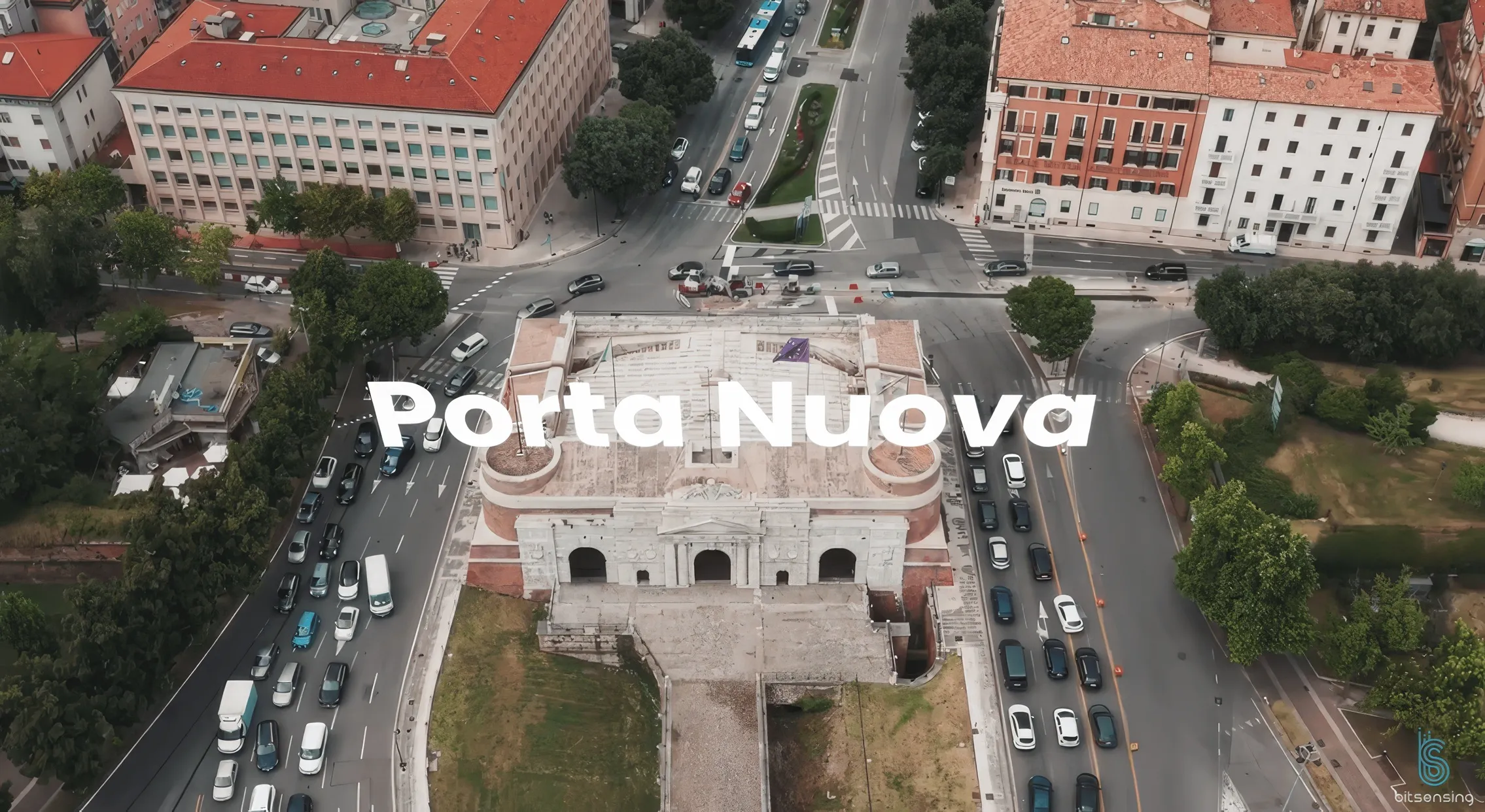
    Shakespeare’s Verona was a place of star-cross’d lovers – today, it’s the traffic which is more of a problem. Euichul Kim at Bitsensing takes up our story…
  • TM 2.0 boost TMC data feed and driver influence
    November 15, 2017
    TM 2.0 views connected vehicles and V2I as two-way communications channels, benefitting traffic management and drivers, as Alan Dron discovers. As connected vehicles are progressively rolled out there will come a point at which traffic managers and traffic management centres (TMCs) will have to gear up to cope with a rapidly-evolving road scenario. The TM 2.0 Platform (see box) is promoting a concept of new-generation traffic management (which carries the same TM 2.0 title) and is studying how future T