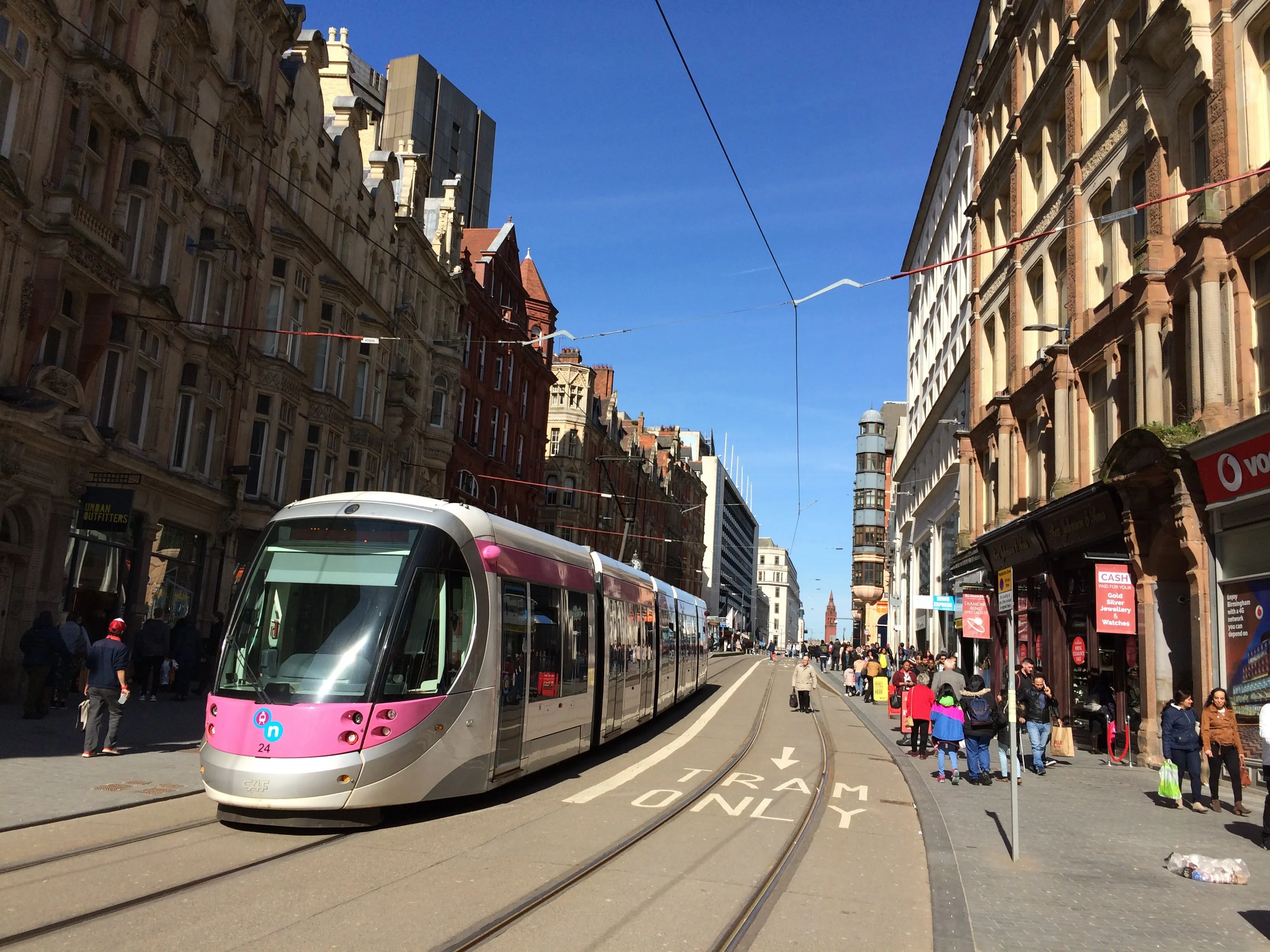
UK Chancellor George Osborne announced major investments in transport in the government’s Spending Review and Autumn Statement, despite a 37 per cent cut in the Department for Transport’s (DfT) operational budget. This was offset with a planned 50% per cent increase in capital expenditure for the DfT - rising to a total of US$92 billion.
In addition to protecting overall police spending in line with inflation, an increase of US$1.3 billion by 2019-20, the review includes US$70 billion capital investment

UK Chancellor George Osborne announced major investments in transport in the government’s Spending Review and Autumn Statement, despite a 37 per cent cut in the 1837 Department for Transport’s (DfT) operational budget. This was offset with a planned 50% per cent increase in capital expenditure for the DfT - rising to a total of US$92 billion.
In addition to protecting overall police spending in line with inflation, an increase of US$1.3 billion by 2019-20, the review includes US$70 billion capital investment by the Department for Transport (DfT) over the next five years on High Speed Two (HS2), roads and local transport.
Development funding of US$452 million is provided for the next generation of transformative transport infrastructure, and US$716 million of new funding to support construction of large local transport projects.
The government has committed to fully funding the road investment strategy.8101 Highways England will deliver 112 major roads schemes worth over US$22.6 billion to 2020-21, with an average benefit of US$6 for every US$1.5 invested.
Construction will begin on HS2 during the Parliament and the Spending Review confirms a funding envelope of US$84 trillion in 2015 prices, which will deliver HS2 from London to Birmingham by 2026 and to Leeds and Manchester by 2033.
The government will also establish a new US$452 million Transport Development Fund, supporting development work for transformative transport infrastructure projects. This could include providing development funding for projects such as Crossrail 2 and proposals emerging from the northern transport strategy, following advice from the National Infrastructure Commission.
In addition, US$716 million of investment will be provided through the Local Majors Fund which will mean that local areas can bid for funding for projects such as the North Devon Link Road, the A391 in Cornwall, and the Lowestoft Third River Crossing and Ipswich Wet Dock Crossing.
More than US$900 million is to be spent between 2015-16 and 2020-21 to support uptake and manufacturing of ultra-low emission vehicles (ULEVs) in the UK, while US$452 will be invested in cycling between 2015-16 and 2020-21, including delivering in full Cycle Ambition City scheme, with construction of segregated cycle lanes including 115 kilometres in Birmingham and 56 kilometres in Manchester.
The government will also continue to devolve significant transport powers to mayor-led city regions, including Greater Manchester, Sheffield City Region, Liverpool City Region, the north-east, Tees Valley and the West Midlands.
In addition to protecting overall police spending in line with inflation, an increase of US$1.3 billion by 2019-20, the review includes US$70 billion capital investment by the Department for Transport (DfT) over the next five years on High Speed Two (HS2), roads and local transport.
Development funding of US$452 million is provided for the next generation of transformative transport infrastructure, and US$716 million of new funding to support construction of large local transport projects.
The government has committed to fully funding the road investment strategy.
Construction will begin on HS2 during the Parliament and the Spending Review confirms a funding envelope of US$84 trillion in 2015 prices, which will deliver HS2 from London to Birmingham by 2026 and to Leeds and Manchester by 2033.
The government will also establish a new US$452 million Transport Development Fund, supporting development work for transformative transport infrastructure projects. This could include providing development funding for projects such as Crossrail 2 and proposals emerging from the northern transport strategy, following advice from the National Infrastructure Commission.
In addition, US$716 million of investment will be provided through the Local Majors Fund which will mean that local areas can bid for funding for projects such as the North Devon Link Road, the A391 in Cornwall, and the Lowestoft Third River Crossing and Ipswich Wet Dock Crossing.
More than US$900 million is to be spent between 2015-16 and 2020-21 to support uptake and manufacturing of ultra-low emission vehicles (ULEVs) in the UK, while US$452 will be invested in cycling between 2015-16 and 2020-21, including delivering in full Cycle Ambition City scheme, with construction of segregated cycle lanes including 115 kilometres in Birmingham and 56 kilometres in Manchester.
The government will also continue to devolve significant transport powers to mayor-led city regions, including Greater Manchester, Sheffield City Region, Liverpool City Region, the north-east, Tees Valley and the West Midlands.