International ITS experts flocked to Russia for a new conference on the challenges of urban transit. Eugene Gerden reports from Moscow
The Leaders in Urban Transportation Summit is a new international conference organised by the Moscow Department of Transport and Road Infrastructure Development. Dedicated to the latest developments in the field of ITS in the city of Moscow, it took place in the Moskva-Citi Business Center in April – and the intention is to make it an annual event.
Senior transport officials and ITS experts – from transit hotspots ranging from Singapore to New York City and many other places besides - shared their experience and best practice in organising road traffic systems, while providing some forecasts for the future and a look at the trends which are predicted to dominate the sector. Inevitably, the ever-growing importance of public transport for large, modern urban environments became a key topic of conversation.
The first day of the two-day summit was dedicated to the presentation of recent successes and developments in ITS throughout the city of Moscow itself. The second day was focused on presentations by leading ITS companies, with representatives of automotive giant Daimler and the Russian multinational Yandex among the speakers.
‘City of knowledge’
According to Maxim Liksutov, deputy mayor of transport for Moscow, the city has been able to transform its status - in a relatively short period of time - from a highly industrial place to the ‘city of knowledge’. This transformation, Liksutov said, affected most spheres of public life, including the organisation of road traffic.
Liksutov added that the development of a modern system of traffic management and ITS is vital for an urban area of such size – and especially for its inhabitants, taking into account that the overall population of Moscow in recent years has exceeded 15 million people (which goes up to 22 million if you count the entire conurbation) and continues to grow.
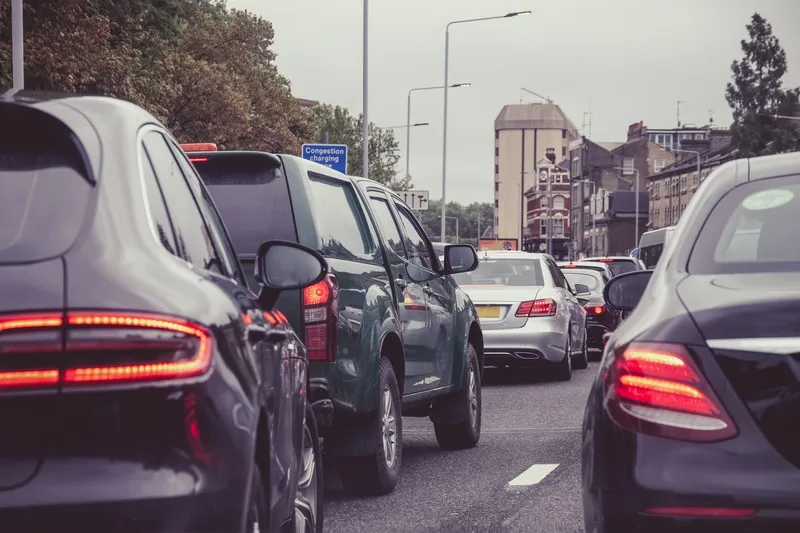
Liksutov said that, in contrast to the past, when the major emphasis of the Moscow authorities was put on providing comfortable conditions for personal car drivers, the priority in the last few years has shifted towards public transport and the reduction of the number of cars on the roads.
For this purpose, the Moscow city authorities continue an active expansion of bus transport, gradually shifting to electric vehicles (EVs).
So far, some results have already been achieved here, as at present the city of Moscow operates one of the world’s youngest bus fleets, made up of 10,000 vehicles. Starting from 2021, the local authorities will cease further purchases of common diesel/petrol buses and move completely to their electric counterparts. As part of these plans, the annual purchases of electric buses for the needs of the city will vary in the range of 600-800 units per year.
Speed increase
Elsewhere at the Leaders in Urban Transportation Summit, Vadim Yuriev, head of the Moscow Centre of Traffic Organisation (TSODD), presented some statistics on the management of road traffic in the city – and highlighted some of the achievements which have been made across the board in recent years.
According to his report, Moscow’s road infrastructure network currently includes 40,000 traffic lights and 2,000 speed cameras. Since 2010 the level of congestion on Moscow roads has declined by 25%, and the death toll has fallen by 40%. At present this ratio is equivalent to 3.7 deaths per 100,000 people. The average speed of traffic on Moscow roads has increased by 5% for the last two to three years and will increase by a further 4% by 2020, he said.
The achievement of these results was possible due to the introduction of some ITS developments in the network, including ‘road guards’.
This is a special road service on Moscow’s streets which monitors the traffic situation in the city, inspecting road infrastructure and providing help to drivers. This service operates on a round-the-clock basis, receiving tasks directly from the TSODD.
Another interesting novelty mentioned during the summit was the early use of innovative drones for patrolling Moscow’s roads – in particular the busiest, and potentially most dangerous, interchanges and sections of the network.
These drones have their own monitoring system, which analyses the areas which are thought to be at increased risk of emergency situations, taking into account variables such as weather conditions and visibility on the roads. “In the event of an accident, the drone is able to photograph the place of the accident, making a video and transmitting information from the site to the traffic police,” said a transport department spokesman. “The transmission is carried out almost in real-time mode.”
Changing environment
Thanks to their video surveillance system, the devices can provide a forecast of the further development of situations on the road, 24 hours a day.
The software for the drones has been developed by the MosTransProject research institute, one of Russia’s leading ITS research institutions.
On the second day of the summit, Klaus Entenmann, CEO of Daimler Financial Services, said his company is ready to adapt to an ever-changing environment but is embracing current market challenges.
For this reason, it plans to significantly expand its range, paying particular attention to the production of some innovative, emission-free vehicles, such as electric vans.
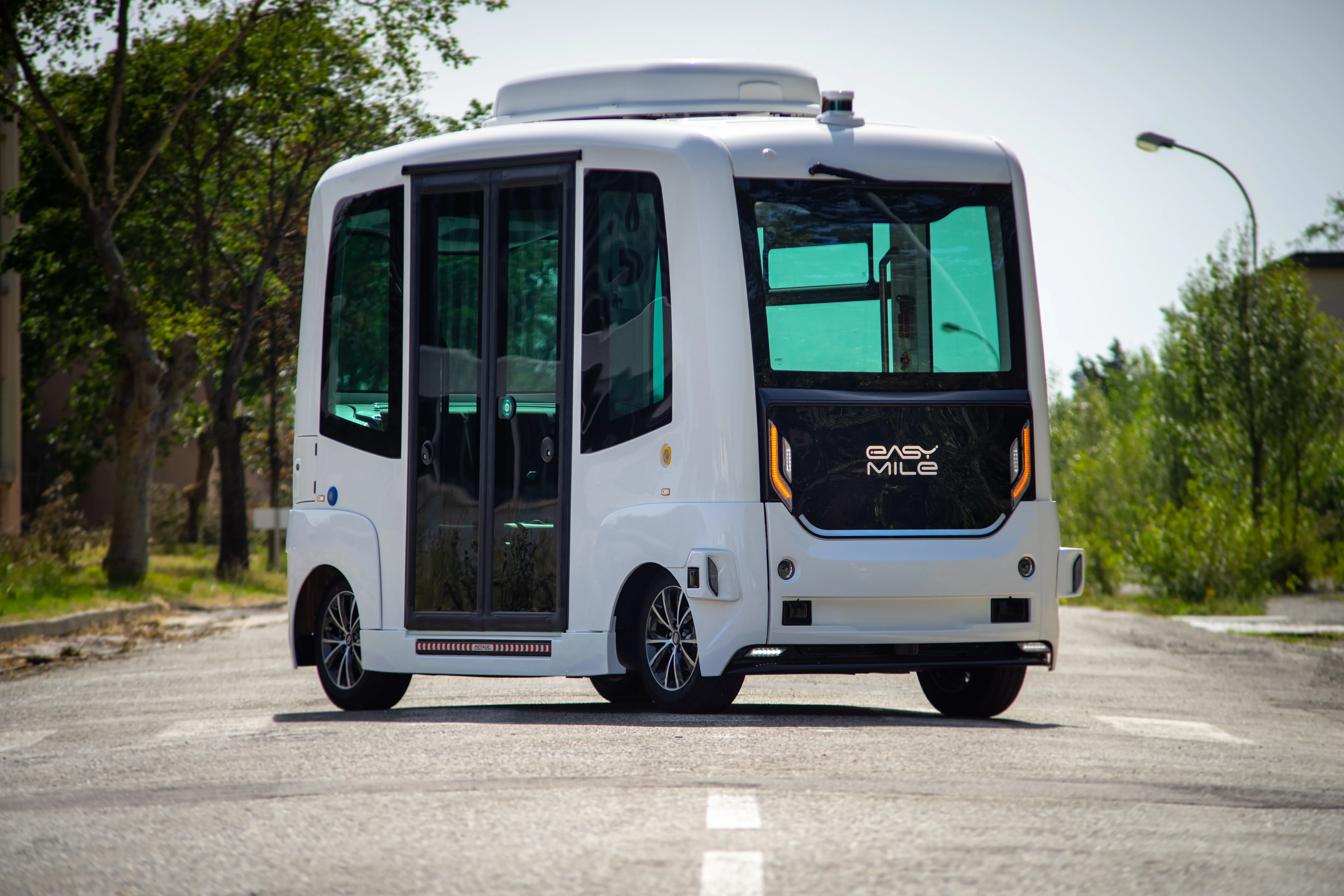
In addition, the commercial production of self-driving cars, capable of working in all-weather and climatic conditions, is a mid-term goal.
Overall, Daimler plans to invest about €10 billion in emission-free vehicles and technologies within the next several years.
The company also has ambitious plans for public transport. According to Entenmann, the demand for large buses - with capacity for up to 50 passengers – is already drying up and will decline in favour of smaller, more mobile vehicles. The company wants to fill this niche, by beginning to engage in more active production of such buses to meet what it sees as a growing need in urban mobility.
Platform opportunity
Finally, another priority goal for the company, Entenmann says, will be related to the development of a single mobile platform that will unite all the services offered by the company (such as Reach Now, Charge Now and some others). The idea is that this will provide an opportunity for users to manage travel on all modes of transport.
In another presentation during the summit, Russian internet specialist Yandex said it has achieved big progress in the field of ITS in recent years.
Greg Abovsky, chief operating officer of Yandex, said the company’s services are currently used by about 30% of Moscow’s population. Yandex is currently involved in the design and introduction of artificial intelligence technologies within the cars of its Yandex-Taxi service. It has already deployed technology which recognises a driver’s state of health and can identify the signs of fatigue and sickness, he confirmed. Looking ahead, the company is putting big hopes on its self-driving cars – and the first of these, designed by the engineers of the company, were due to be officially launched on the streets of Moscow after the conference.