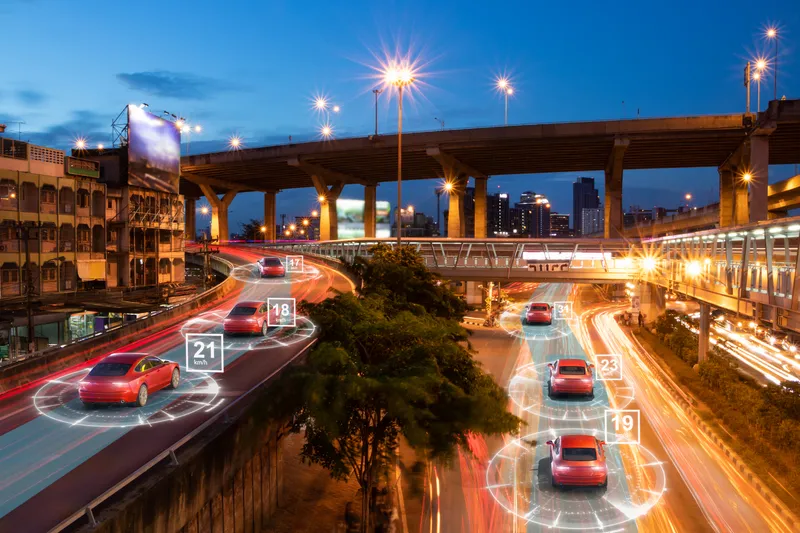
MEPs demand mandatory installation of vehicle safety technologies

Life-saving vehicle technology such as emergency braking should be made mandatory for new cars, according to an own-initiative report from the European Parliament's Transport Committee. With the report, MEPs have made a statement in support of road safety and FIA Region I (FRI) has welcomed the decision and has urged the European Commission to legislate the installation of the technology into cars.
October 16, 2017 Read time: 2 mins
Life-saving vehicle technology such as emergency braking should be made mandatory for new cars, according to an own-initiative report from the European Parliament's Transport Committee. With the report, MEPs have made a statement in support of road safety and 8054 FIA Region I (FRI) has welcomed the decision and has urged the European Commission to legislate the installation of the technology into cars.


In addition, MEPs have called for drivers to be properly trained on how to use the safety technology and for financial incentives to encourage the uptake of the technologies and for training purposes.

FRI director general, Laurianne Krid, said: “MEPs showcased strong commitment to effective deployment of advanced vehicle safety systems. It is not just about making technologies like autonomous emergency breaking mandatory. Drivers need to understand how these features work for a positive outcome. FIA Region I now urges the European Commission to take swift action on this report and begin work on new legislation that would bring these life-saving technologies to Europe’s citizens.”

For more information on companies in this article

Related Content

  • V2X: The design challenges
    May 2, 2018
    The connected future throws up a number of enticing possibilities for us all. But, says Houman Zarrinkoub of MathWorks, issues around visualisation, prototyping and model evolution need to be examined carefully. We are all aware of the huge amount of investment going into driverless car technologies. With the likes of Volvo, Tesla and BMW getting in on the act, soon they will be a common sight on our roads. However, for this to occur, the vehicles must be able to connect with each other and ensure driver
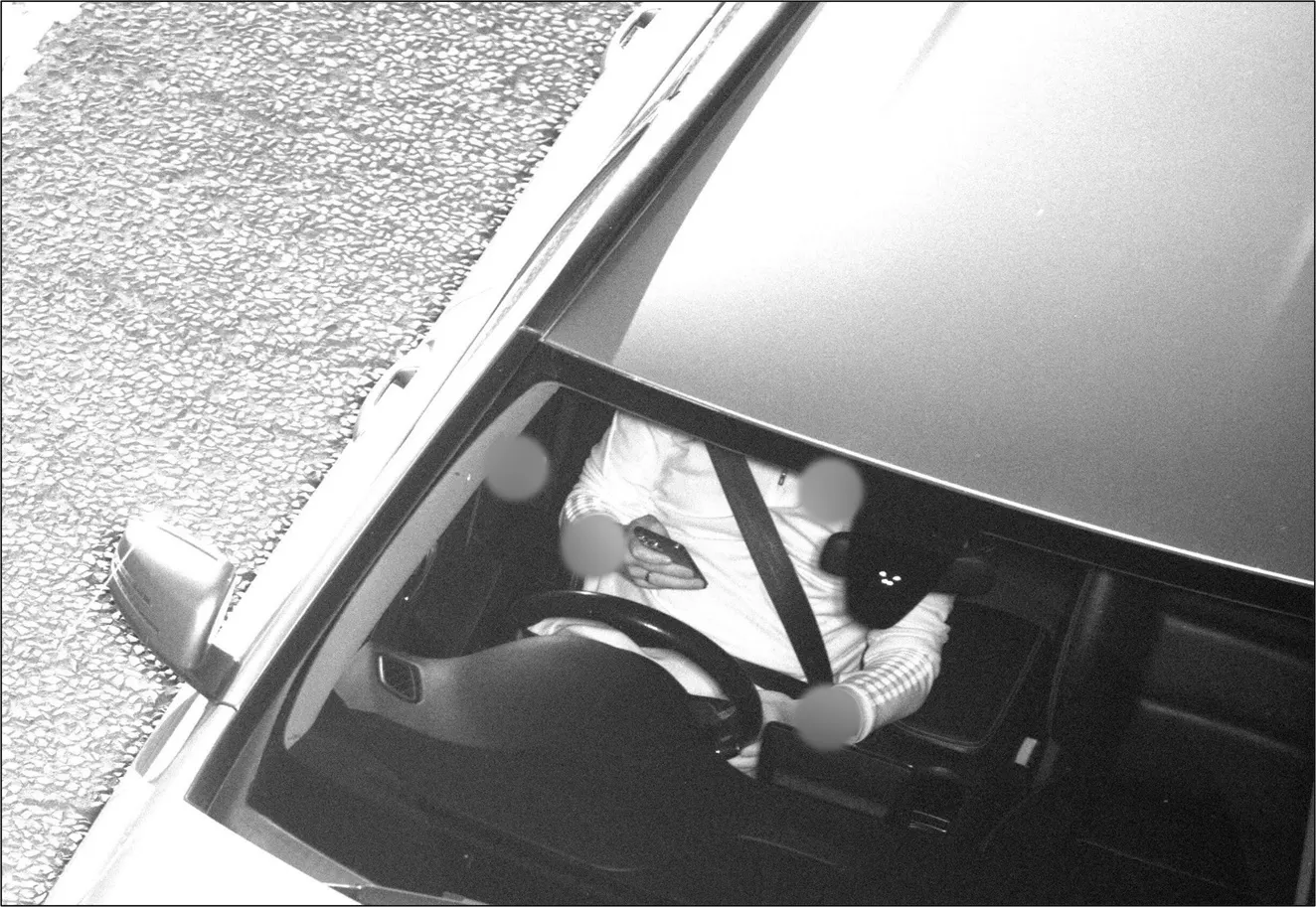
  • Acusensus cameras find more than 800 drivers using phones in five-week trial
    November 21, 2024
    There were also 2,300 incidents of not wearing a seat belt
  • TfL to launch world-leading trials of intelligent pedestrian crossing technology
    March 7, 2014
    The Mayor of London, Boris Johnson, and Transport for London (TfL) have outlined plans for trialling new pedestrian crossing sensors to help make it easier and safer for people to cross the road throughout the capital. The introduction of pedestrian Split Cycle Offset Optimisation Technique, or pedestrian SCOOT, is the first of its kind in the world and uses state-of-the-art video camera technology to automatically detect how many pedestrians are waiting at crossings. It enables the adjustment of traffi
  • Consortium welcomes Euro ITS directive 
    February 2, 2022
    C2C-CC supports proposed focus on interoperability and backward compatibility