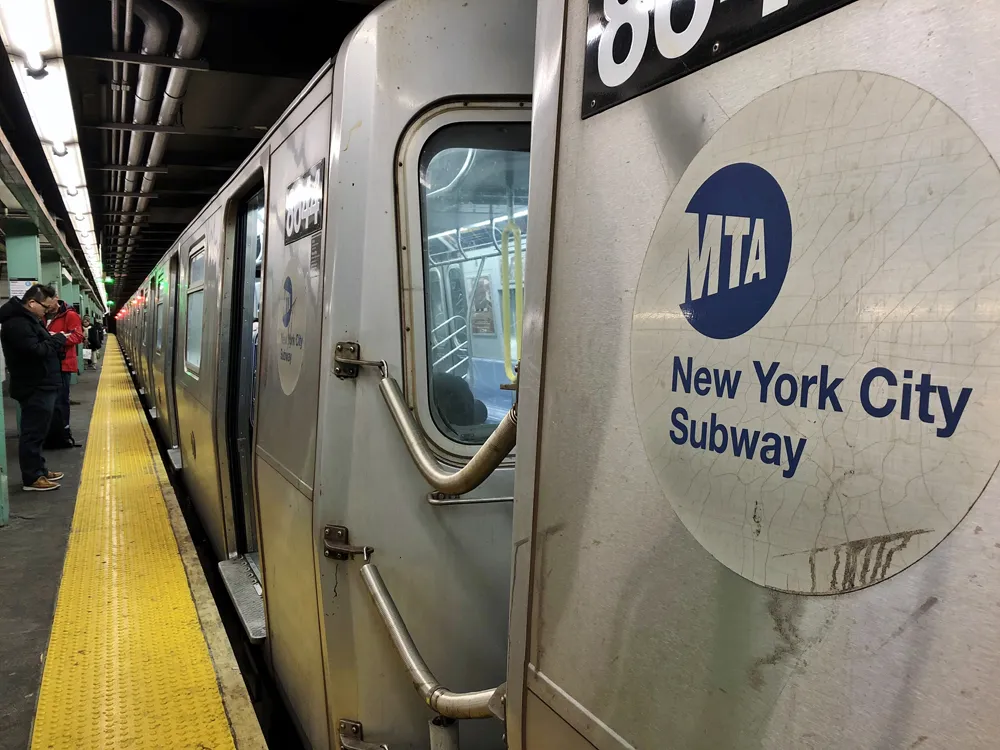
Public contracts to supply domestic passenger rail services in EU countries will have be put out to tender under new rules backed by the EU Parliament this week.
Under the new rules, which also aim to boost investment and the development of new commercial services, rail companies will be able to offer their services in EU domestic passenger rail markets in two ways.
First, where national authorities award public service contracts to provide passenger rail services, bidding for public service contra

Public contracts to supply domestic passenger rail services in EU countries will have be put out to tender under new rules backed by the EU Parliament this week.
Under the new rules, which also aim to boost investment and the development of new commercial services, rail companies will be able to offer their services in EU domestic passenger rail markets in two ways.
First, where national authorities award public service contracts to provide passenger rail services, bidding for public service contracts open to all EU rail operators will gradually become the standard procedure for selecting service providers. MEPS believe that inviting bids will sharpen their customer focus and reduce taxpayer costs.
National authorities will also retain the right to award contracts directly, without bidding, but if this method is used it must offer improvements for passengers or cost efficiency gains.
Second, any rail company will be able to offer competing commercial services on EU passenger rail markets. However, to ensure that services that member states want to have supplied under public service contracts continue, member states could restrict a new operator's right of access to certain lines. An objective economic analysis by the national regulator would be needed to determine when open access can be limited.
Potential conflicts of interest would have to be assessed to ensure that infrastructure managers operate impartially, so that all operators have equal access to tracks and stations.
Public service operators would have to comply with social and labour law obligations established by EU law, national law or collective agreements.
Rail companies will be able to offer new commercial services on domestic lines from 14 December 2020. Competitive tendering is to become the general rule for new public service contracts from December 2023, with some exceptions.
Under the new rules, which also aim to boost investment and the development of new commercial services, rail companies will be able to offer their services in EU domestic passenger rail markets in two ways.
First, where national authorities award public service contracts to provide passenger rail services, bidding for public service contracts open to all EU rail operators will gradually become the standard procedure for selecting service providers. MEPS believe that inviting bids will sharpen their customer focus and reduce taxpayer costs.
National authorities will also retain the right to award contracts directly, without bidding, but if this method is used it must offer improvements for passengers or cost efficiency gains.
Second, any rail company will be able to offer competing commercial services on EU passenger rail markets. However, to ensure that services that member states want to have supplied under public service contracts continue, member states could restrict a new operator's right of access to certain lines. An objective economic analysis by the national regulator would be needed to determine when open access can be limited.
Potential conflicts of interest would have to be assessed to ensure that infrastructure managers operate impartially, so that all operators have equal access to tracks and stations.
Public service operators would have to comply with social and labour law obligations established by EU law, national law or collective agreements.
Rail companies will be able to offer new commercial services on domestic lines from 14 December 2020. Competitive tendering is to become the general rule for new public service contracts from December 2023, with some exceptions.