The European Commission has revealed the finalists of the European Mobility Week Award 2016 and fifth Sustainable Urban Mobility Planning (SUMP) Award on urban freight. The winners of the two awards will be announced by Violeta Bulc, European Commissioner for Transport and by Daniel Calleja, Director General of DG Environment during an award ceremony to be held in Brussels on 20 March 2017.
An independent panel of mobility and transport experts shortlisted 10 candidates and selected three finalists out o

The European Commission has revealed the finalists of the European Mobility Week Award 2016 and fifth Sustainable Urban Mobility Planning (SUMP) Award on urban freight. The winners of the two awards will be announced by Violeta Bulc, European Commissioner for Transport and by Daniel Calleja, Director General of DG Environment during an award ceremony to be held in Brussels on 20 March 2017.
An independent panel of mobility and transport experts shortlisted 10 candidates and selected three finalists out of a total of 63 applications from 23 different countries.
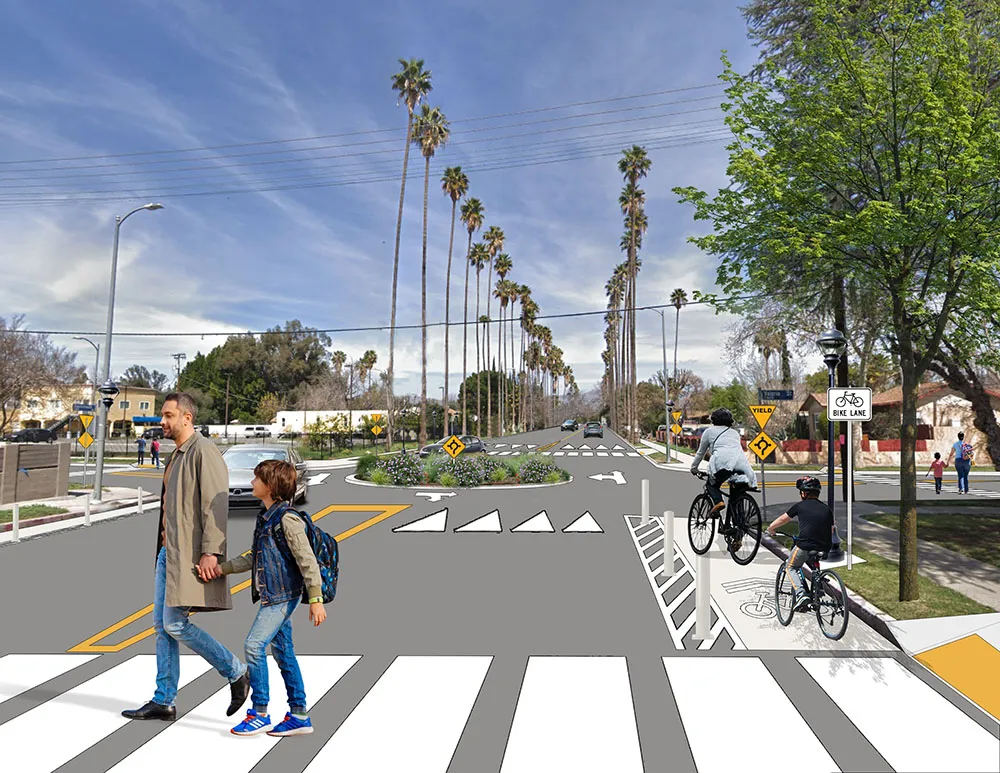
The finalists for the European Mobility Week Award are Lisbon (Portugal), Malmö (Sweden) and Skopje (former Yugoslav Republic of Macedonia). Lisbon scored well for making its public space available to pedestrians, while Malmö’s main focus was on bicycles as a sustainable means of transport. The jury also pointed out the car-pooling service in Skopje helping its residents save money and protect the environment.
The SUMP award aims to reward local authorities that have succeeded in developing a mobility plan addressing the diverse transport needs of people and businesses and, at the same time, improving quality of life. The fifth SUMP Award on urban freight focuses on integrating the movements of goods and services in sustainable urban mobility planning.
The jury selected three cities as finalists: Brussels (Belgium) impressed the jury with its innovative logistics schemes; Budapest (Hungary) stood out for successfully integrating freight transport within the overall mobility strategy; and Stockholm (Sweden) was appreciated for its strategy stimulating the local economy while limiting the adverse impact of urban freight.
An independent panel of mobility and transport experts shortlisted 10 candidates and selected three finalists out of a total of 63 applications from 23 different countries.
The finalists for the European Mobility Week Award are Lisbon (Portugal), Malmö (Sweden) and Skopje (former Yugoslav Republic of Macedonia). Lisbon scored well for making its public space available to pedestrians, while Malmö’s main focus was on bicycles as a sustainable means of transport. The jury also pointed out the car-pooling service in Skopje helping its residents save money and protect the environment.
The SUMP award aims to reward local authorities that have succeeded in developing a mobility plan addressing the diverse transport needs of people and businesses and, at the same time, improving quality of life. The fifth SUMP Award on urban freight focuses on integrating the movements of goods and services in sustainable urban mobility planning.
The jury selected three cities as finalists: Brussels (Belgium) impressed the jury with its innovative logistics schemes; Budapest (Hungary) stood out for successfully integrating freight transport within the overall mobility strategy; and Stockholm (Sweden) was appreciated for its strategy stimulating the local economy while limiting the adverse impact of urban freight.