Swarco is part of a consortium which aims to revamp traffic management in Paris.
The French capital has seen a shift in the way it uses roadspace over the last couple of years, including a major reduction in parking spaces as well as encouragement for active travel such as walking and cycling.
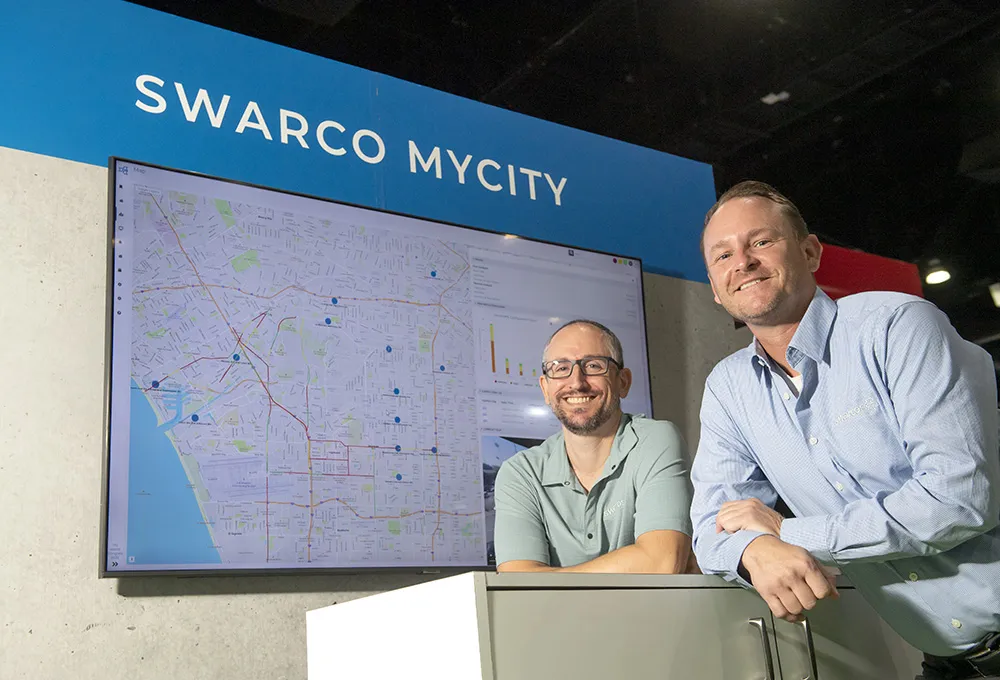
As a subcontractor to the Cielis consortium, formed by French groups Citelum and Eiffage, Swarco will use its MyCity urban mobility suite to improve traffic flow in the run-up to the Olympic Summer Games of 2024.
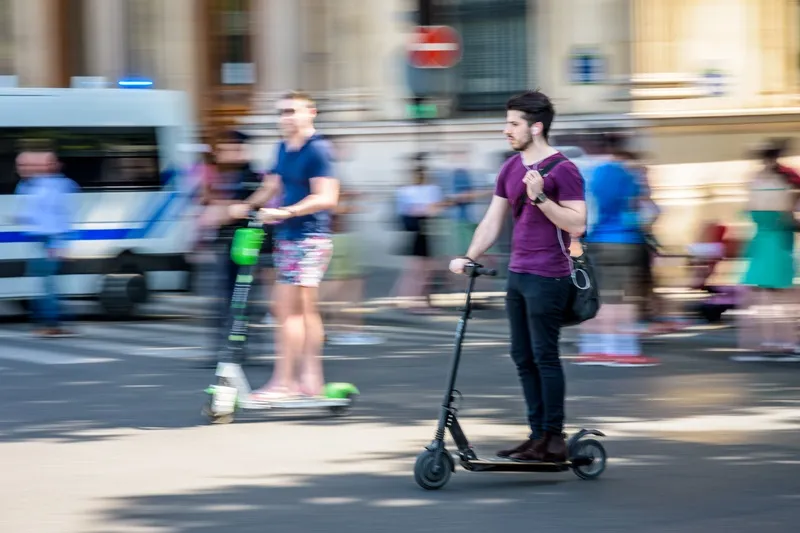
It will primarily encourage a shift towards alternative modes of transportation by prioritising micromobility vehicles and pedestrians at intersections, monitoring them to increase safety.
Priority for public transport (trams and bus), and for emergency or authorised vehicles at signalised intersections will be essential for the successful management of the Olympics, Swarco says.
“We are very happy to be able to work with the City of Paris on a tailored traffic management solution for a sustainable future for the generations to come”, says Swarco speaker of the executive board, Michael Schuch.
“In view of the Olympic Summer Games of 2024, it is the right time to modernise Paris’ traffic management system to add new features, adapt to new mobility services, and accommodate further infrastructure components at any time."
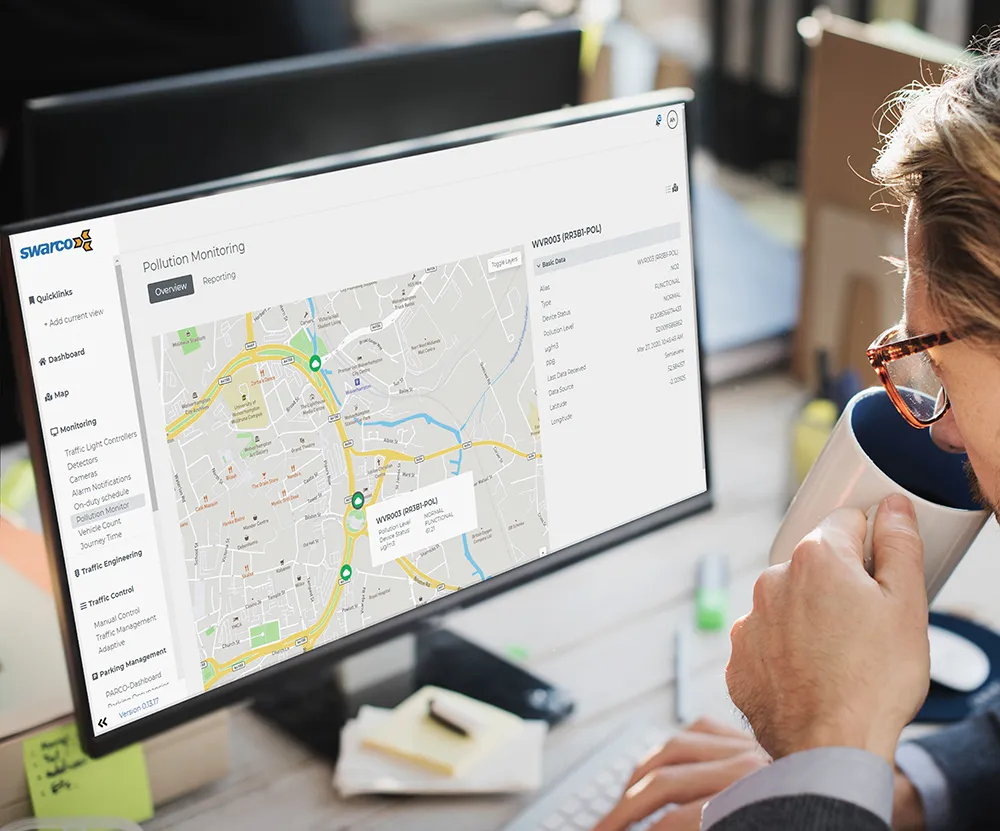
MyCity allows operators to monitor traffic status in real time, manage daily flows and peak hours to create the fastest travel times.
More widely, Cielis will be working to reduce CO2 emissions and lower energy use by converting all of the city's street lights to LEDs.
“We know from many urban traffic projects that there is no 'one solution fits all'," says Christoph Bergdolt, vice president products & technology with Swarco's ITS Division. “Every city is unique and requires a tailor-made approach."
“Advanced and premium add-ons address future-oriented features in connection with digitalisation and automated vehicles," says Swarco's project manager in Paris, Cristina Ghione.
She adds that MyCity will "foresee the ability to exchange, interpret and render data with connected vehicles (V2X), an additional means to efficient traffic control, as well as the implementation of V2X information dissemination".