Istanbul turns to SAS for digital traffic analytics

Turkish city's population has doubled to 16 million in the last 20 years
By Adam Hill May 11, 2023 Read time: 2 mins
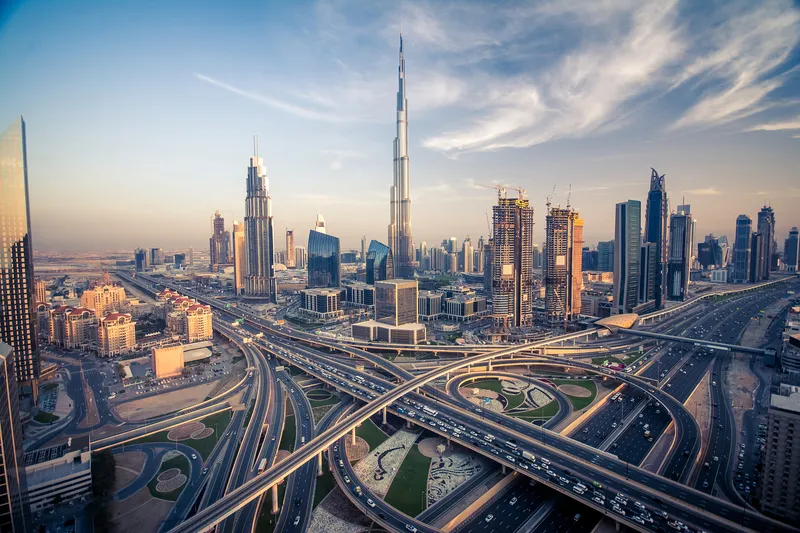
Analytics mean drivers can be notified in real time of difficulties such as collisions, lane closures and congestion (© Mogo Art | Dreamstime.com)

Istanbul has turned to analytics to help sort out its traffic problems.

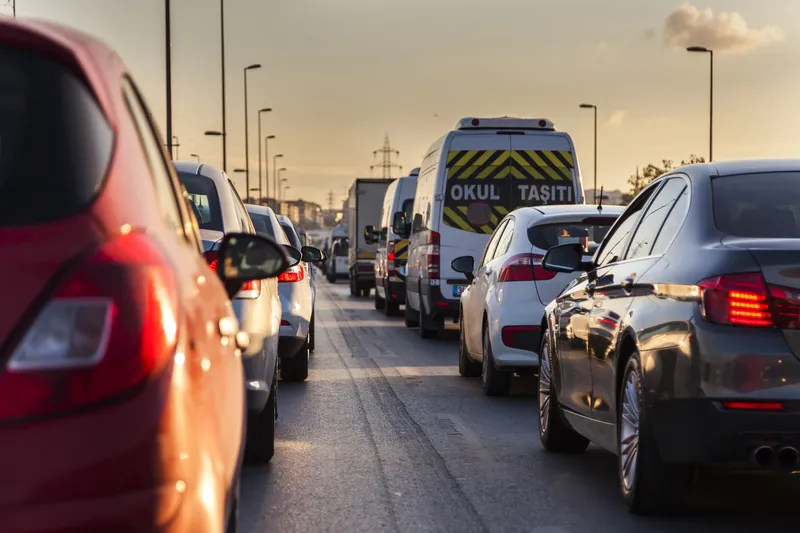
The Turkish city has congestion issues, with its population doubling over the last 20 years to 16 million people.

The Istanbul Metropolitan Municipality (IMM) has brought in software analytics specialist SAS to create smart-city digital infrastructure.

Using SAS Viya, its cloud-native, AI and analytics platform, "Istanbul’s engineers and planners can better understand, forecast, and manage the city’s traffic challenges", Sas insists.

The new system is powered by AI and machine learning running on SAS Viya, analysing historical traffic data and incorporating live data feeds from sources which include traffic cameras, sensors, data readers, mobile applications and payment gateways.

The results can be used to optimise bus routes, and IMM road operations can better control traffic signals and notify drivers in real time of difficulties - such as collisions, lane closures and congestion - through digital signage and mobile apps.

“With SAS AI and analytics, Istanbul’s municipal government can assess traffic conditions in real time, anticipate congestion trouble spots, and intelligently route traffic and guide citizens on their journeys,” said Naim Erol Özgüner, CIO of IMM.

“This helps reduce congestion, lower pollution levels, and improve the quality of life for our citizens. The SAS-powered system supports Istanbul’s sustainability goals, restores public confidence in mass transit, and ultimately improves traffic flow that leads to better economic opportunities.” 

For more information on companies in this article

Related Content

  • Flir helps Indonesia start tackling congestion
    March 19, 2014
    Indonesia has started tackling acute traffic congestion in Jakarta and Surabaya. When talking about Jakarta, Indonesia’s economic, cultural and political centre, it is very easy to lapse into superlatives. With a population of over 10 million people it is the thirteenth most populated city in the world and the biggest in South East Asia. The official metropolitan area, known as Jabodetabek, is also the second largest in the world. Almost 98% of journeys in Jabodetabek are made by road and the tremendous
  • Axilion brings digital twin tech to UAE
    December 21, 2020
    Data modelling solution is expected to cut travel times for commuters by up to 40%
  • Machine vision makes progress in traffic applications
    June 2, 2014
    Machine Vision technology is easing the burden on hard-pressed control room staff and overloaded communications networks.
  • Independent tests reveal floating car data is ‘as accurate as road sensors’
    October 12, 2015
    An independent quality test by the German State of Bavaria’s Centre for Traffic Management (ZVM) has found that floating car data (FCD) from INRIX is ‘just as good’ as the information from road sensors. The results indicate that the traffic authority can provide enhanced traffic information to citizens without the expense and time-consuming process of maintaining and installing additional road sensors. ZVM selected Inrix to provide data and insights to reduce congestion across the state and commissioned