Automated driving technology from Robotic Research will be part of a bus project, that includes platooning, in the US state of Connecticut next year.
Robotic says the deployment will be the first in the US to run automated heavy-duty transit buses as a fare-paying service.
Connecticut Department of Transportation (CTDoT) has government funding from the Federal Transit Administration's Integrated Mobility Innovation initiative to establish automated public transport.
Robotic Research’s proprietary AutoDrive advanced driver-assistance system will be enabling automation of heavy-duty transit buses running along the state’s CTfastrak corridor.
“Opportunities like this drive our company’s passion for bringing safer, more reliable automated technology to cities across the world,” said Alberto Lacaze, president of Robotic.
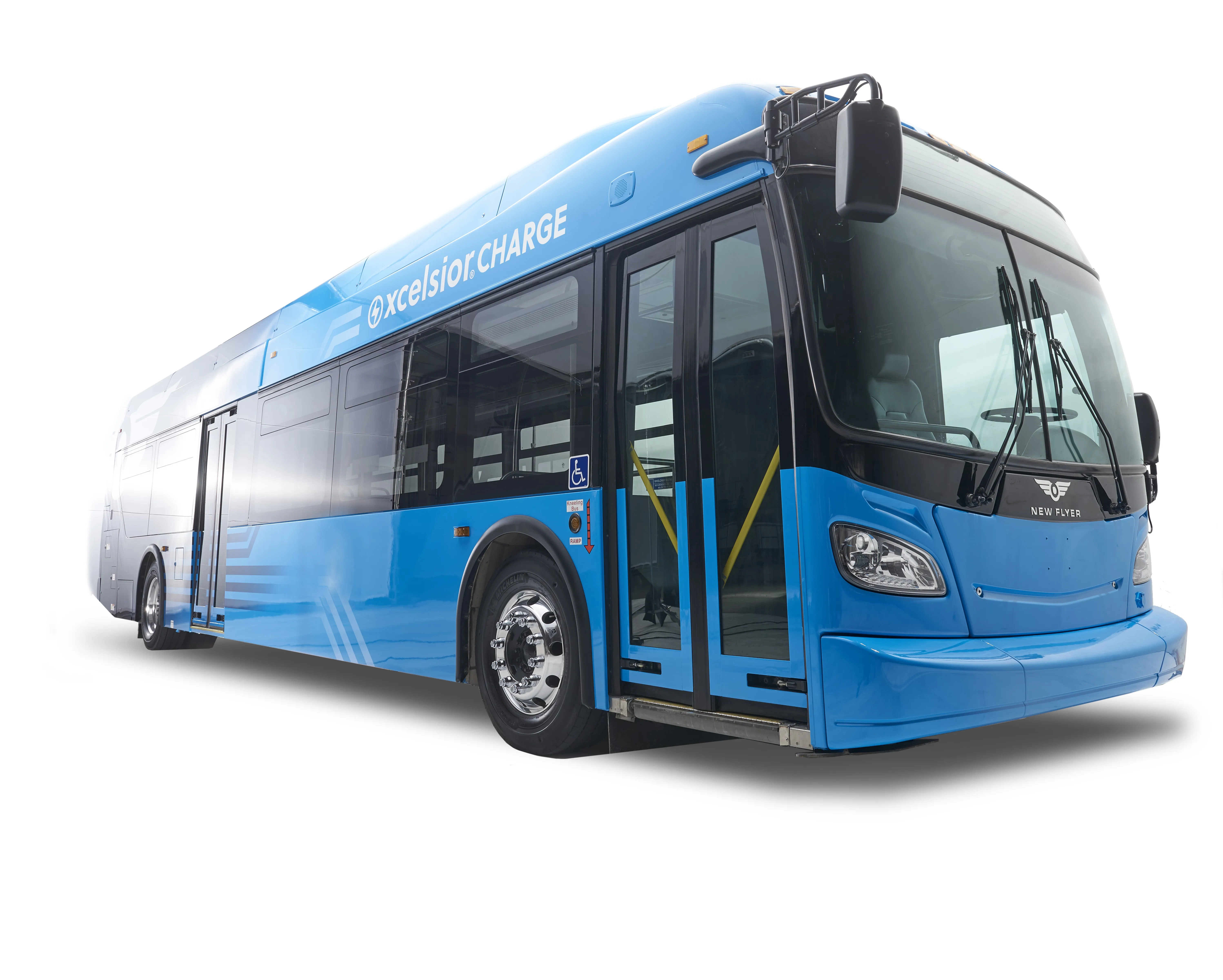
When the programme launches for public use - likely next year - three 40-foot automated electric New Flyer Xcelsior Charge heavy-duty CTtransit buses will run on the nine-mile dedicated CTfastrak corridor.
The busing operations will be a zero-emission deployment between the cities of New Britain and Hartford.
Robotic says the project will also be the first application of automated precision docking to minimise platform gaps, ensure ADA-compliant level boarding and increase accessibility for all passengers.
ADA is the Americans with Disabilities Act of 1990 which prohibits discrimination based on disability such as blindness.
The automated driving will include demonstrations of platooning capabilities to maintain more efficient headways between buses.
Robotic’s AutoDrive ADAS technology is platform-agnostic and can be used to retrofit vehicles of all sizes, from small, portable robots to large trucks and buses.
The company says its technology is in Level 4 automated vehicle environments within urban commercial centres and military bases across the US and around the world.
Connecticut is one of 23 states receiving funding through the USDoT’s Integrated Mobility Innovation initiative.
The team for Connecticut’s project is supported by bus manufacturer New Flyer of America and the Center for Transportation and Environment.