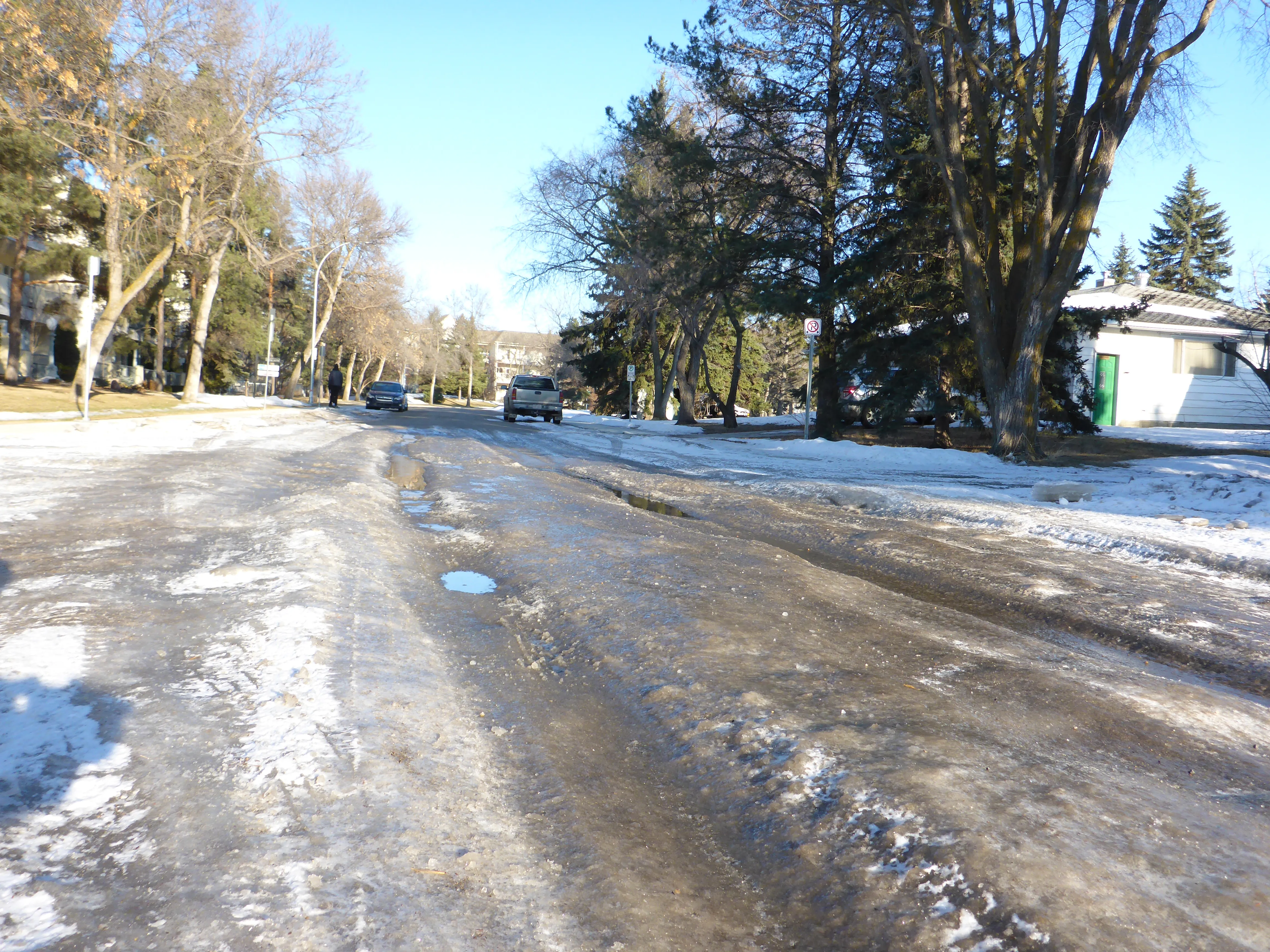
US Departments of Transportation (DOTs) are using smart technology to warn civil engineers when something is wrong with the infrastructure, says the American Association of State Highway and Transportation Association (AASHTO). Sensors installed on bridges, in roadways, and on maintenance vehicles are communicating real-time performance and weather data, allowing engineers to solve problems before they occur.
"Most people look at a road or a bridge and never realise the technology that today's modern tra

US Departments of Transportation (DOTs) are using smart technology to warn civil engineers when something is wrong with the infrastructure, says the 4944 American Association of State Highway and Transportation Officials (AASHTO). Sensors installed on bridges, in roadways, and on maintenance vehicles are communicating real-time performance and weather data, allowing engineers to solve problems before they occur.
"Most people look at a road or a bridge and never realise the technology that today's modern transportation agencies are using to help our transportation system function at its best," said Bud Wright, executive director of AASHTO. "State DOTs are dramatically improving the way transportation systems, services, and information are being delivered, shared, and utilised all across the country."
The North Carolina DOT is using 3-D imaging to improve the process of conducting annual pavement condition surveys on the state's 16,000 miles of interstate and primary roadways, using a specially equipped vehicle that takes two sets of images as it passes over a roadway at normal highway speeds. A forward looking camera captures images of the highway while a 3-D camera photographs the pavement.
Many state departments of transportation are also using a user-friendly computer mapping platform dubbed UPlan, a technology which combines and displays real-time information from data banks, both inside and outside transportation agencies, in the form of maps. These multilayered displays make it easy to see the many ways proposed transportation projects will interface with the surrounding environment.
DOTs including Minnesota, Nevada, Kentucky and Florida have installed sensors on bridges to monitor structural health, measure the movement, shrinkage, and cracking of concrete, or provide data on vibration and corrosion and activate anti-icing systems, alert authorities when secure areas have been breached and detect bridge strikes.
The Oklahoma Department of Transportation and Oklahoma Department of Public Safety have teamed up to more efficiently process permit requests and create safe routes for commercial trucks carrying oversized or overweight loads. The Oklahoma permitting and routing optimisation system, OKiePROS, uses advanced GPS technology and real-time geographic and bridge information to quickly process requests on-line. Permits for oversized or overweight truck loads which used to take several days to issue, can now be processed in about ten minutes.
The6174 Louisiana Department of Transportation and Development has also turned to smart technology to help it more easily locate compaction problems in new road construction projects. The Roller Integrated Compaction Monitoring system, which uses GPS technology, has the capability to measure continuous stretches of roadway, allowing contractors to find and fix problems fast.
In an effort to minimise traffic congestion and improve safety, the1747 Virginia Department of Transportation is in the process of deploying an active traffic management (ATM) system to integrate information from a wide range of sources including cameras, pavement sensors, and driver input.
In Alaska, extreme winter weather can occur quickly, which is why the Alaska Department of Transportation and Public Facilities (ADOT&PF) is equipping its fleet of maintenance vehicles with instruments to gather location-specific temperature and humidity data along roadways. The data are fed to a weather modelling system, which can forecast when and where roadway icing is likely to occur.
ADOT&PF is also using smart technology on one of the most isolated roads in the US to monitor and analyse an enormous, moving, formation of frozen soil, rock and ice that, if left unchecked, could block and/or damage the highway.
"Most people look at a road or a bridge and never realise the technology that today's modern transportation agencies are using to help our transportation system function at its best," said Bud Wright, executive director of AASHTO. "State DOTs are dramatically improving the way transportation systems, services, and information are being delivered, shared, and utilised all across the country."
The North Carolina DOT is using 3-D imaging to improve the process of conducting annual pavement condition surveys on the state's 16,000 miles of interstate and primary roadways, using a specially equipped vehicle that takes two sets of images as it passes over a roadway at normal highway speeds. A forward looking camera captures images of the highway while a 3-D camera photographs the pavement.
Many state departments of transportation are also using a user-friendly computer mapping platform dubbed UPlan, a technology which combines and displays real-time information from data banks, both inside and outside transportation agencies, in the form of maps. These multilayered displays make it easy to see the many ways proposed transportation projects will interface with the surrounding environment.
DOTs including Minnesota, Nevada, Kentucky and Florida have installed sensors on bridges to monitor structural health, measure the movement, shrinkage, and cracking of concrete, or provide data on vibration and corrosion and activate anti-icing systems, alert authorities when secure areas have been breached and detect bridge strikes.
The Oklahoma Department of Transportation and Oklahoma Department of Public Safety have teamed up to more efficiently process permit requests and create safe routes for commercial trucks carrying oversized or overweight loads. The Oklahoma permitting and routing optimisation system, OKiePROS, uses advanced GPS technology and real-time geographic and bridge information to quickly process requests on-line. Permits for oversized or overweight truck loads which used to take several days to issue, can now be processed in about ten minutes.
The
In an effort to minimise traffic congestion and improve safety, the
In Alaska, extreme winter weather can occur quickly, which is why the Alaska Department of Transportation and Public Facilities (ADOT&PF) is equipping its fleet of maintenance vehicles with instruments to gather location-specific temperature and humidity data along roadways. The data are fed to a weather modelling system, which can forecast when and where roadway icing is likely to occur.
ADOT&PF is also using smart technology on one of the most isolated roads in the US to monitor and analyse an enormous, moving, formation of frozen soil, rock and ice that, if left unchecked, could block and/or damage the highway.