
Product innovations at Vision 2016

Embedded vision, 3D machine vision, cameras and software are just some of the new products being showcased at Vision 2016, 8-10 November. Innovations include a 3D sensor, which detects objects and contours in the room, a recently launched high-resolution wide-angle lens, an enhanced 3D scanning process and the latest laser modules for industrial machine vision.
September 26, 2016 Read time: 1 min
Embedded vision, 3D machine vision, cameras and software are just some of the new products being showcased at Vision 2016, 8-10 November.

Innovations include a 3D sensor, which detects objects and contours in the room, a recently launched high-resolution wide-angle lens, an enhanced 3D scanning process and the latest laser modules for industrial machine vision.

Related Content

  • Is DSRC progressive enough for future connected mobility?
    February 3, 2012
    Dedicated Short Range Communications technology, says Cisco's Paul Brubaker, is not by itself progressive enough to sustain long-term innovation in the connected mobility environment - and yet IPv6 and other developments remain largely ignored by policy-makers
  • Allied Vision Technologies expands
    June 21, 2013
    Allied Vision Technologies (AVT) has expanded its Burnaby location near Vancouver, BC in Canada with additional office space, providing additional room for its rapidly expanding R&D team. “AVT has ambitious growth plans at its various worldwide locations to meet the strong demand for its high-quality machine vision cameras. With both R&D and manufacturing, the Burnaby site has a strategic role in that respect”, says Frank Grube, president and CEO of the company.
  • Tattile’s cutting-edge machine vision solutions
    March 12, 2024
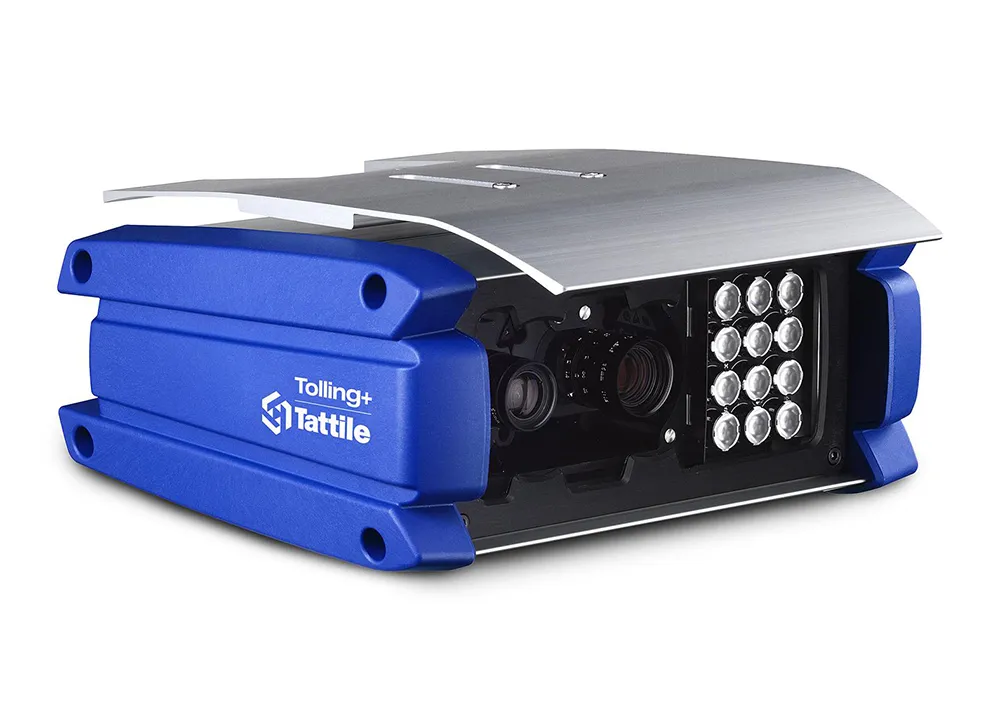
    Tattile will bring cutting-edge ITS tech to Amsterdam. Visitors to the company’s stand will be able to get up close and personal with the company’s innovative solutions.
  • Debating the future development of ANPR
    July 31, 2012
    What future is there for automatic number plate recognition? Will it be supplanted by electronic vehicle identification, or will continuing development maintain the technology's relevance? In recent years, digitisation and IP-based communication networks have allowed Automatic Number Plate Recognition (ANPR) to achieve ever-greater utility and a commensurate increase in deployments. But where does the technology go next - indeed, does it have a future in the face of the increasing use of, for instance, Dedi




