Seoul Robotics opens doors of perception

SENSR-I software can capture actionable data on movement of people and vehicles
March 25, 2022 Read time: 1 min
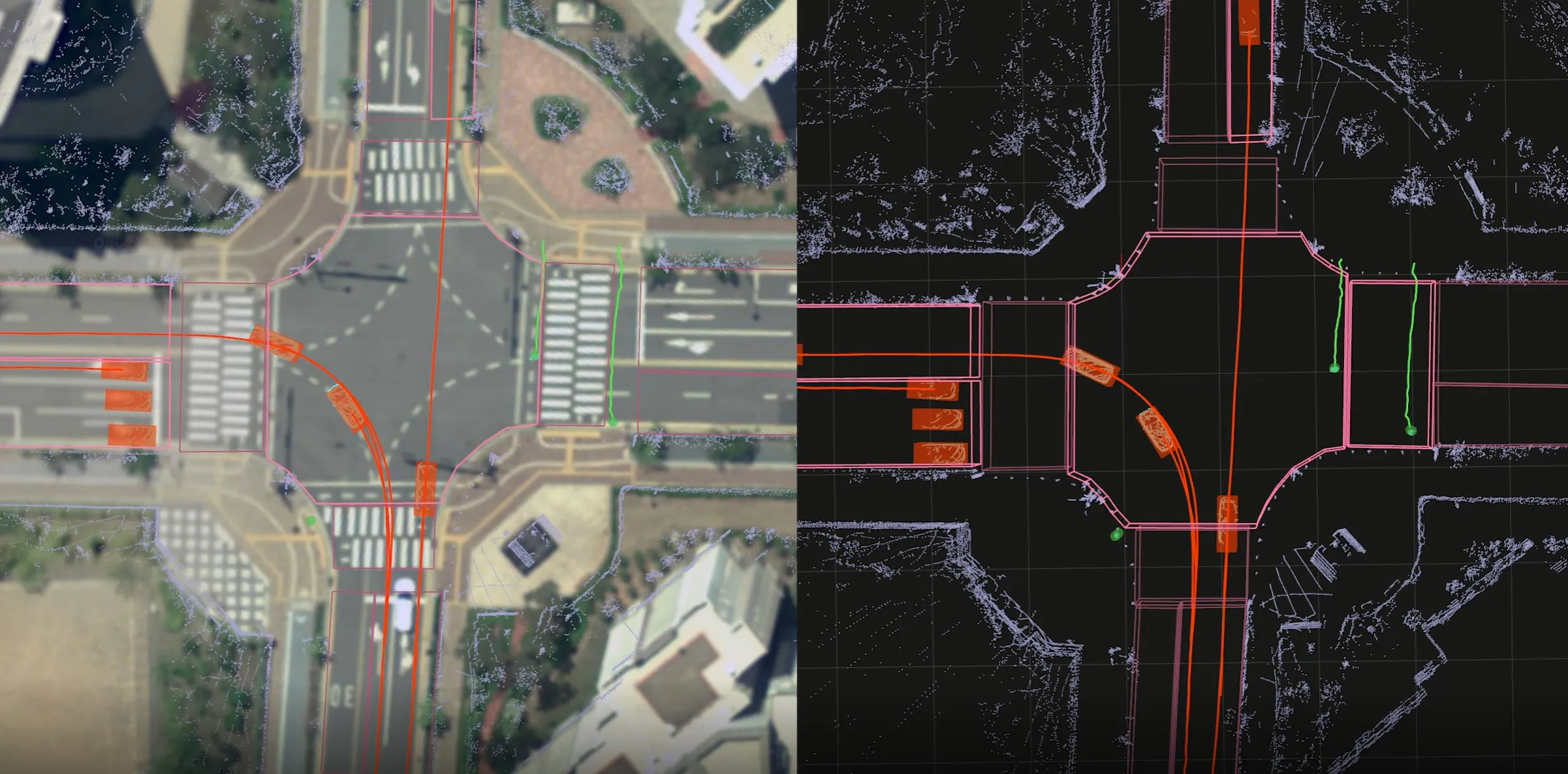
SENSR-I can simultaneously track the precise movements of people, vehicles and bicycles over expansive areas, says Seoul Robotics

Seoul Robotics has introduced an infrastructure-based version of its SENSR 3D perception software.

The new product, SENSR-I, processes data captured by 3D sensors to provide high-resolution environmental insights, enabling customers to see how people and vehicles move through large spaces. 

It supports anything from central processing to edge computing and is sensor- and hardware-agnostic, the company says.

When applied to 3D sensors on static infrastructure (indoors and outdoors), SENSR-I can precisely track within an error of 4cm.

“Until now, 2D cameras have been the only accessible, affordable solution, but that is no longer the case," says Jerone Floor, VP of products and solutions at Seoul Robotics.

"Indisputably, 3D systems enable organisations to get deeper, more actionable data. SENSR-I changes the game with its ability to simultaneously track the precise movements of people, vehicles and bicycles over expansive areas – unlocking unprecedented insights that can transform operations in ways never before possible."

3D analytics uses non-biometric data "with more robust 3D vision that is able to accurately detect object movement beyond what is visible from a single perspective, as well as track a single object across multiple sensors", Seoul adds.

The Korean government invested $12m in Seoul Robotics last year.

For more information on companies in this article

Related Content

  • MaaS Market conference platform for pioneering projects
    August 21, 2017
    In opening the session on putting MaaS ideas into practice, Hans Arby, chief executive of UbiGo, told the conference that, “MaaS can mean different things to different people. This is why we decided to run MaaS under real conditions and launch the Gothenburg pilot scheme in 2013.” The trial involved 70 households paying €130/month for 6 months with participants agreeing that 20 cars could be put into storage. More than 12,000 bookings/transactions took place during the trial and there were no drop-outs. Ac
  • DSRC? ‘It’s become a faith-based thing’
    March 2, 2021
    The US FCC’s decision on 5.9GHz led to Applied Information offering DSRC buybacks to DoTs. Bryan Mulligan tells Adam Hill that we now just need to get on and roll out CV technology...
  • Weigh in Motion gets smarter
    January 4, 2023
    Weigh in Motion technology is at the forefront of protecting road surfaces and helping enforcement activity – but could it also play a key role in the development of Smart Cities?
  • Car parking and parked cars need not be a technological black hole
    March 19, 2015
    David Crawford mines the potential of joined-up parking. Drivers conventionally see parking as an isolated, often frustrating, action; but collectively their attempts to find a space impact hugely on traffic flows. But new analyses of parking events look set to deliver real benefits to motorists and cities alike. Initiatives getting under way around the world are highlighting the advantages of connecting up parking events and – eventually - parked cars. The hoped-for results include not only enhanced urban