
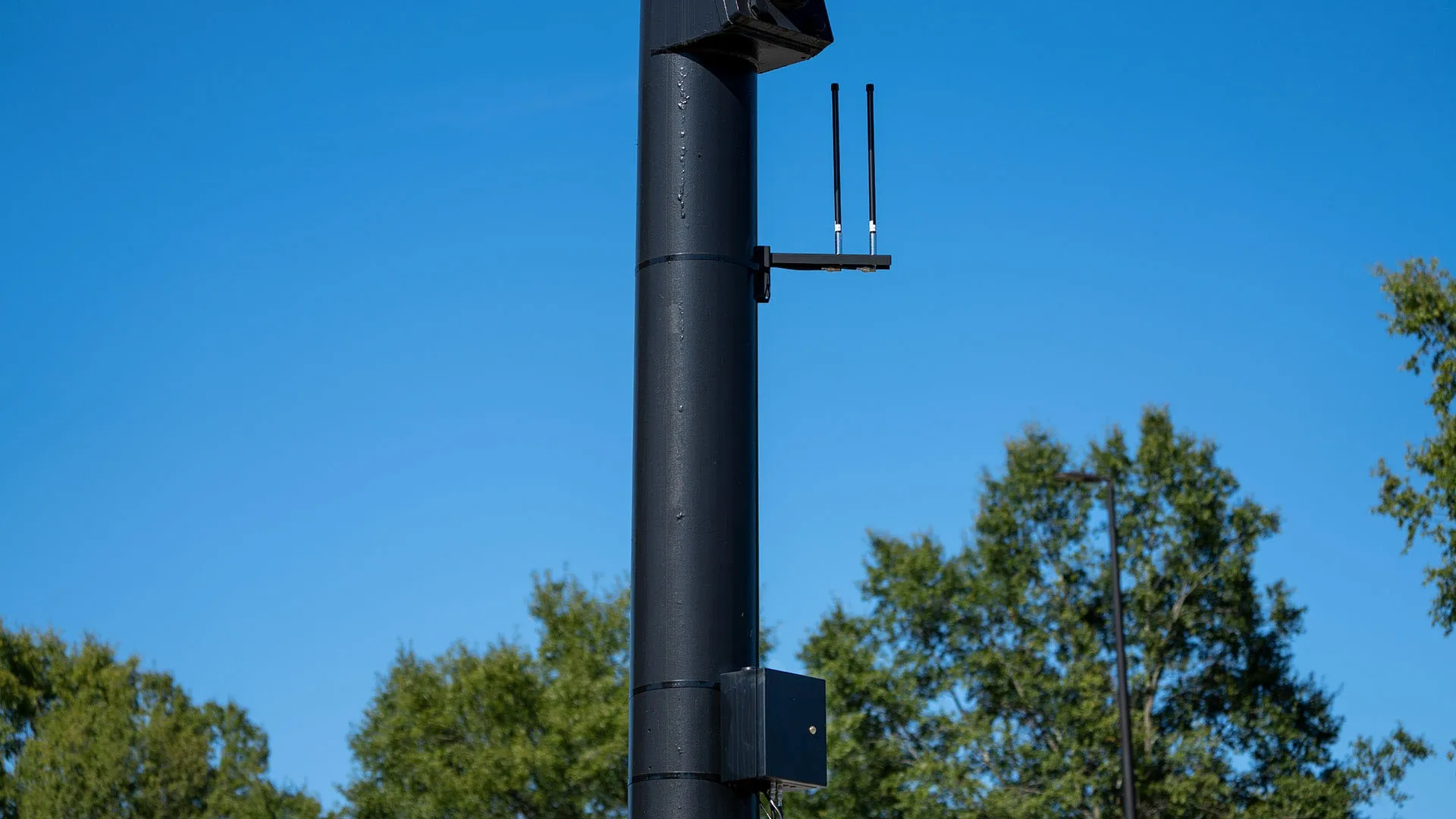
Applied Information at a Glance

Preemption system can control multiple traffic signals in direction of travel
By David Arminas August 5, 2024 Read time: 2 mins
Glance Preemption system provides emergency first responders with vehicle tracking and reporting

Applied Information says that its Glance Preemption system automatically enables optical and cellular Vehicle to Everything (C-V2X) technologies to work together to request a green light.

First responders and transit system operators that use optical preemption, an infrared technology developed in the 1970s, can now easily transition their fleets to Applied’s C-V2X technology to request green lights at intersections, reducing response times and improving safety.

The Glance Preemption system also provides emergency first responders with vehicle tracking and reporting. It can notify the public of a nearby active emergency vehicle on Waze, Haas Alert Safety Cloud and the TravelSafely smartphone app.

“The Glance Preemption system has proven time and time again to provide better response times and now there is a seamless pathway for first responders to easily take advantage of the newer technology,” said Bryan Mulligan, president of Applied Information. “By navigating intersections faster and more safely than before, first responders can focus on what’s important, reaching people in an emergency.”

The company said that where Glance Preemption has replaced optical-only systems, first responders report saving around 10 seconds per signalised intersection on their emergency calls. One study using Glance Priority technology found that it was able to reduce travel times by 47%.

Glance Preemption can control multiple traffic signals in the direction of travel, keeping traffic moving and out of the way of emergency vehicles. It uses a combination of GPS, edge computing and redundant cellular and direct radio communications to work with the traffic signal. Adding the Glance Optical Data Aggregator activates the optical option and provides connectivity and reporting previously not available.

For more information on companies in this article

Related Content

  • GTT to highlight emergency vehicle pre-emption at EMS2017 Copenhagen
    May 8, 2017
    Global Traffic Technologies (GTT) will demonstrate its Opticom emergency vehicle pre-emption (EVP) system at the Emergency Medical Services Congress’ EMS2017 event in Copenhagen later this month, to show how effectively Opticom can help speed first responders to or from the scene of an incident, avoiding the danger of evading cross-traffic and the delay of manoeuvring past vehicles stopped for a red light. Opticom provides drivers of emergency vehicles with priority control that enables green lights during
  • Receiving real time passenger information in Finland
    February 3, 2012
    David Crawford sees lively prospects for Finnish innovation
  • Communications redundancy increases VMS reliability
    December 17, 2014
    Hybrid communications to variable message signs increase resilience to natural disasters and enable deployment in remote areas, as Alan Allegretto explains. Variable Message Signs (VMSs) are a common sight and a well-proven means to improve public safety on our roads and highways. ITS professionals rank the VMS as second only to interoperable radios as the most important technology to improve effectiveness during emergency incidents and evacuations. Ironically, however, current systems suffer from one criti
  • Bespoke ITS is helping to reduced collisions on America’s rural roads
    October 22, 2014
    David Crawford cherrypicks conference and award highlights Almost 30% of all US citizens live in rural areas or very small communities, and 34 of the 50 states exceed this level in their own populations, with the proportions rising as high as 85%. And although rural routes carry only 35% of all traffic, the accidents that occur on them account for some 54% of all US road traffic accident deaths.




