
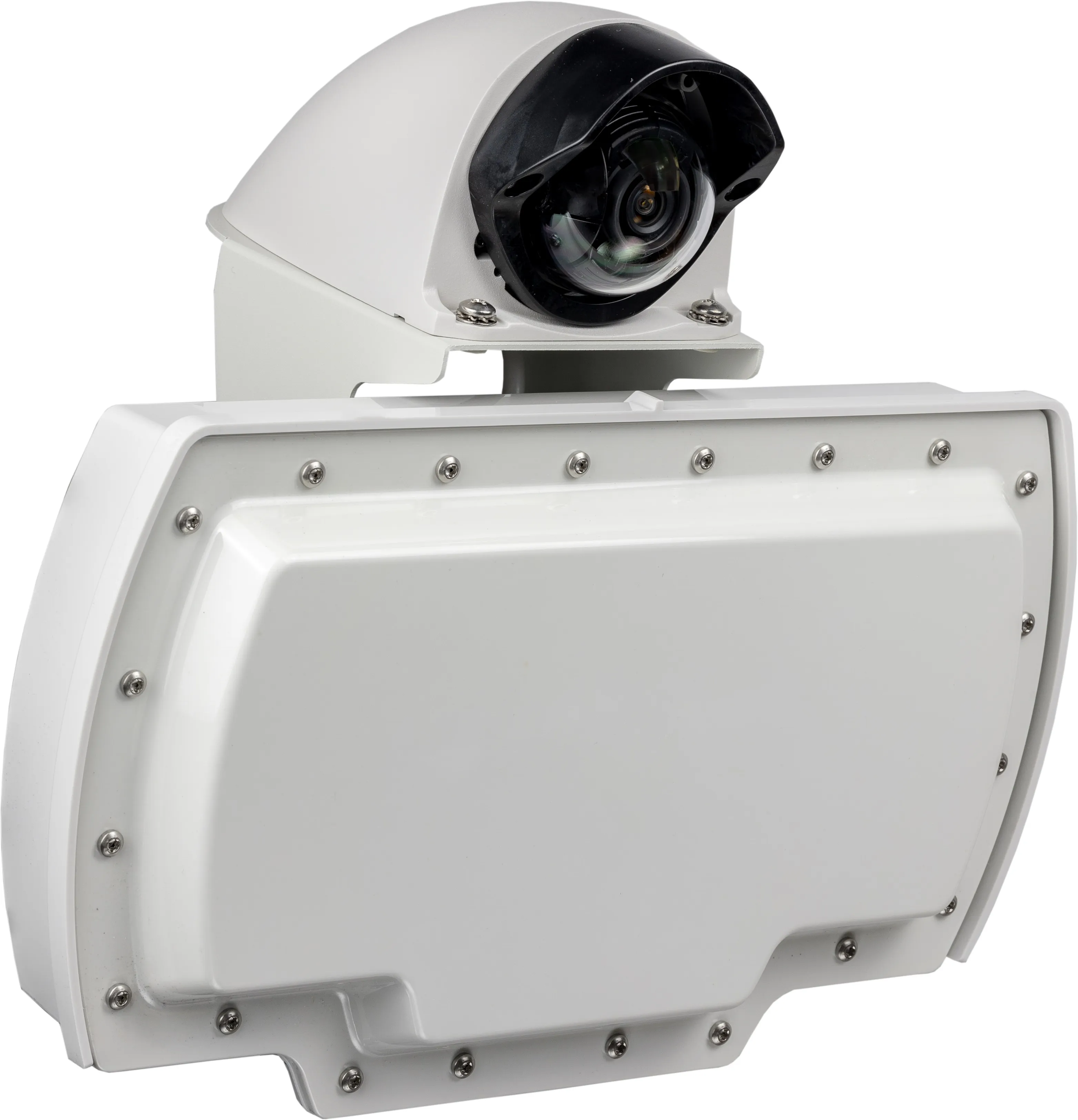
Sensys says RTMS Echo brings 12 lanes into view

Radar solution can be configured with a computer, tablet or smartphone
By Adam Hill December 11, 2023 Read time: 2 mins
The pole-mounted side-fire radar units are quick to install, Sensys says

Sensys Networks says the newest addition to its portfolio - radar detection solution RTMS Echo - can identify and track individual vehicles across as many as 12 lanes per device.

The pole-mounted side-fire radar units are quick to install, and come with a browser-based interface, providing data which Sensys says will maximise existing infrastructure and "optimise the safety and efficiency of roadways".

With integrated Wi-Fi connectivity, RTMS Echo can be configured with a computer, tablet or smartphone. Traffic data includes vehicle counts, speeds, classifications, travel times and vehicle dwell times.

The solution came under Sensys' umbrella when parent company TagMaster bought the radar business of ISS earlier this year.

The company says it will offer traffic professionals greater accuracy, identifying and tracking individual vehicles with high precision, even in heavy traffic conditions.

This means cities "can monitor traffic flow, identify congestion hotspots, predict future traffic conditions and implement traffic management strategies". 

One RTMS Echo radar can monitor as many as 12 detection zones up to 250 feet away.

“Adding the accuracy of RTMS Echo radar to our detection portfolio is a natural fit with our highly accurate wireless and video detection technologies,” says Bill Weber, VP of Sales & Marketing in North America. 

“Now, with a full range of detection technologies, we can offer agencies and our partners more options to help save lives and reduce congestion.”

For more information on companies in this article

Related Content

  • Focus with Genetec’s AutoVu SharpV camera
    August 19, 2021
    Genetec’s newest AutoVu SharpV ALPR has motorised lenses with zoom and auto-focus
  • Advanced traffic management amid urbanisation
    July 30, 2020
    There is no room for error on the crowded roads in many cities: Andrew Watson of Huawei explains why AI is a perfect tool to help urban authorities and transportation agencies look after people in busy traffic
  • Vaisala: Weather data is vital for connected vehicles
    August 26, 2016
    Vaisala’s Dr Kevin Petty explains why the weather will continue to play a big part in road safety and traffic management in the smart cities of the future. The world is becoming increasingly connected. Thanks to advances in information and communications technology, the cities we live in are becoming ‘smart’, with everything from education to law enforcement managed by integrated tech solutions in a bid to improve quality of life.
  • Vehicular networking architecture for local road weather services
    August 19, 2015
    The Finnish Meteorological Institute is currently testing two-way delivery of local weather data as Timo Sukuvaara explains. Road weather information is one of the key ways in which ITS can help reduce traffic accidents and fatalities – which is why the Finnish Meteorological Institute (FMI) has long provided road weather services. Now, the CoMoSeF (Cooperative Mobility Services of the Future) project has been developing communication methodologies to deliver road weather services directly to vehicles and g




