TransCore is to develop, integrate, and maintain a network of express lanes on behalf of San Francisco’s Metropolitan Transportation Commission’s (MTC) Bay Area Infrastructure Financing Authority (BAIFA).
The competitively procured US$54.6 million project will see 90 miles of existing high occupancy vehicle (HOV) converted lanes into express lanes on I-680, I-880 and I-80. The aim is to improve connectivity by closing gaps in the existing HOV network and improve freeway efficiency by making the best use

The competitively procured US$54.6 million project will see 90 miles of existing high occupancy vehicle (HOV) converted lanes into express lanes on I-680, I-880 and I-80. The aim is to improve connectivity by closing gaps in the existing HOV network and improve freeway efficiency by making the best use of existing capacity. It will also provide motorists with dynamically-priced lane alternatives and car-poolers and buses with a reliable, congestion-free option and enable future improvements to be made with little to no interruption to motorists. The work is expected to be completed by the end of 2017.
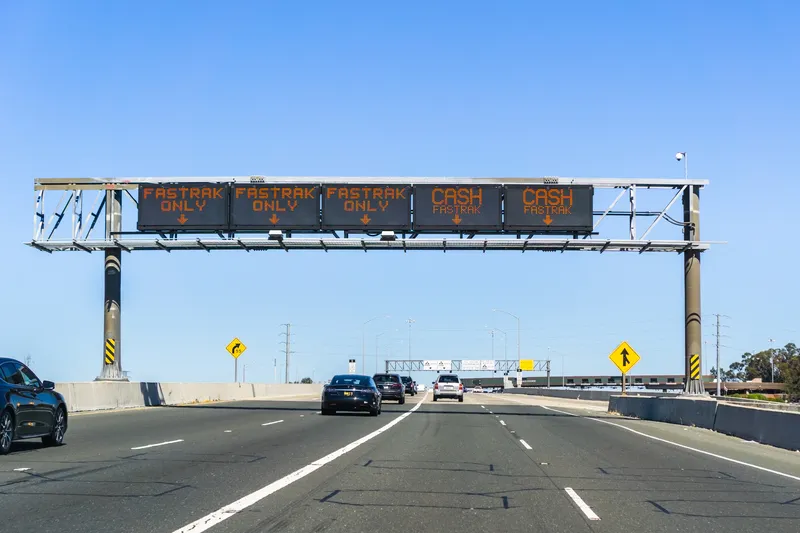
TransCore will implement an express lane tolling system utilising its Infinity digital lane system, Infinity Express, which uses a system of innovative readers, sensors and imaging devices to dynamically set user fees based upon real-time traffic conditions, and prominently display them on road message signs.
TransCore will also integrate its advanced traffic management system, TransSuite, into a robust communications network. The enhanced connectivity will enable Bay Area agencies to better monitor and respond to traffic conditions in real-time through the immediate exchange of data among transportation agencies and
“The integration of TransCore’s streamlined system architecture design with their proven product suite was a significant factor in their selection. We also based our decision on the team’s experience and demonstrated success in delivering express lane systems that are operating in other large jurisdictions,” said MTC project manager Jim Macrae.
“We are honoured to be recognised by MTC as the firm most qualified and capable of delivering this important project. Our team looks forward to working with MTC to improve mobility in the Bay Area, and again demonstrate our leadership by delivering a solution built on a combination of innovative tolling and transportation management products,” said Chris Hall, vice president of West Coast projects, TransCore.