Using the River Thames to heat homes, testing electric bikes and trialling state-of-the-art smart parking bays are just some of the innovative projects to be put to the test in London as part of a Europe-wide technology drive.
London is joining forces with cities across Europe in a US$27 million project that will demonstrate how innovative uses of technology can improve the lives of their residents. The Mayor of London, Boris Johnson, in partnership with the Royal Borough of Greenwich has been chosen to

Using the River Thames to heat homes, testing electric bikes and trialling state-of-the-art smart parking bays are just some of the innovative projects to be put to the test in London as part of a Europe-wide technology drive.
London is joining forces with cities across Europe in a US$27 million project that will demonstrate how innovative uses of technology can improve the lives of their residents. The Mayor of London, Boris Johnson, in partnership with the Royal Borough of Greenwich has been chosen to take part in the Smart Cities and Communities Lighthouse programme which aims to develop solutions to challenges faced by all major cities as they continue to grow and develop.
The 'Sharing Cities' Lighthouse programme will see Greenwich used as a testing ground for new technology to deliver a better future for local people.
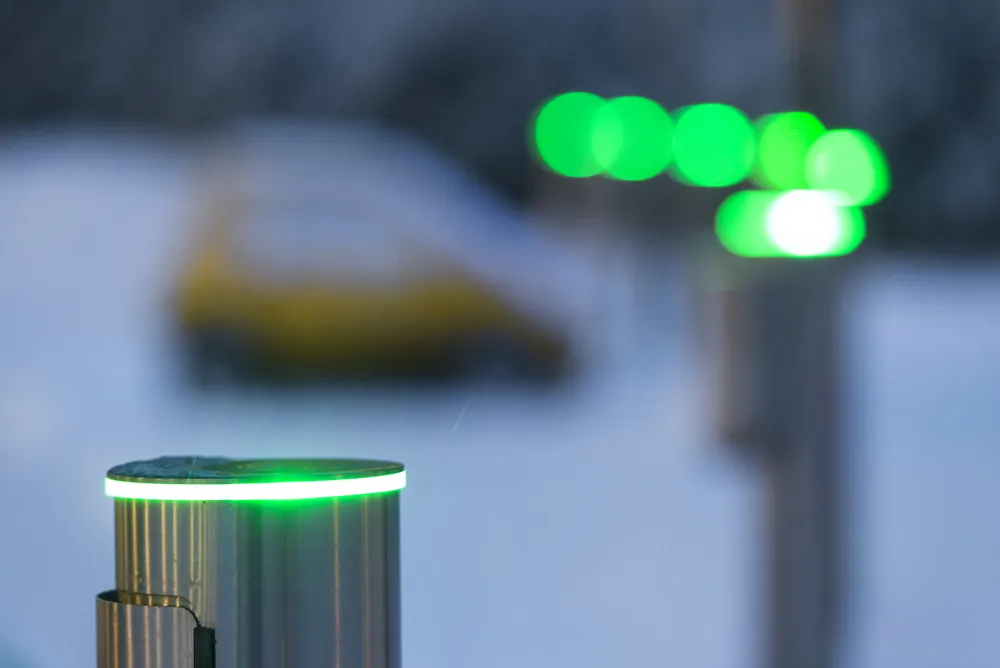
Initiatives taking place in Greenwich include trialling 300 smart parking bays that aim to optimise parking spaces and help drivers find a space quickly and conveniently and testing shared electric bikes to see if these support a shift from private cars, while electric vehicles will be piloted for local deliveries and car sharing.
Plans also include using the River Thames as a renewable energy source to provide affordable heat to local homes. A heat pump will be used to increase the water temperature before being piped through a heat network for space heating and domestic hot water use in local homes. This will improve air quality by avoiding the need to use boilers and provide lower energy bills for residents.
Solar panels will also be installed on homes to provide green energy and improve energy efficiency. The supply and demand of energy will be locally managed by energy partners involved in the programme via state-of-the-art digital technology that will also reduce energy bills and carbon emissions.
Similar projects will be put to the test in the cities of Milan, Lisbon, Warsaw, Bordeaux and Burgas and could eventually be rolled-out across Europe. Greenwich is already the focus of other ground breaking initiatives, linked to the Greenwich Smart City Strategy publishes last year, including the introduction of driverless cars later this year as part of a national pilot in the UK.
The project will also develop a new model of sharing data across cities to make the best use of encyclopaedic amount of information now available that can be used to change the way cities, their communities and services work. This will deliver a common data sharing platform that can be used by all the programme cities and beyond.
The Mayor of London, Boris Johnson MP said: “London is growing at a record rate and to support the city’s future growth, we need to harness our incredible technical prowess and look to what new approaches and technological innovation can bring. By leading this ground-breaking international project we will be able to share ideas with our European counterparts as we work to create a city that is fit for the future and an even greater place to live, work and visit.”
London is joining forces with cities across Europe in a US$27 million project that will demonstrate how innovative uses of technology can improve the lives of their residents. The Mayor of London, Boris Johnson, in partnership with the Royal Borough of Greenwich has been chosen to take part in the Smart Cities and Communities Lighthouse programme which aims to develop solutions to challenges faced by all major cities as they continue to grow and develop.
The 'Sharing Cities' Lighthouse programme will see Greenwich used as a testing ground for new technology to deliver a better future for local people.
Initiatives taking place in Greenwich include trialling 300 smart parking bays that aim to optimise parking spaces and help drivers find a space quickly and conveniently and testing shared electric bikes to see if these support a shift from private cars, while electric vehicles will be piloted for local deliveries and car sharing.
Plans also include using the River Thames as a renewable energy source to provide affordable heat to local homes. A heat pump will be used to increase the water temperature before being piped through a heat network for space heating and domestic hot water use in local homes. This will improve air quality by avoiding the need to use boilers and provide lower energy bills for residents.
Solar panels will also be installed on homes to provide green energy and improve energy efficiency. The supply and demand of energy will be locally managed by energy partners involved in the programme via state-of-the-art digital technology that will also reduce energy bills and carbon emissions.
Similar projects will be put to the test in the cities of Milan, Lisbon, Warsaw, Bordeaux and Burgas and could eventually be rolled-out across Europe. Greenwich is already the focus of other ground breaking initiatives, linked to the Greenwich Smart City Strategy publishes last year, including the introduction of driverless cars later this year as part of a national pilot in the UK.
The project will also develop a new model of sharing data across cities to make the best use of encyclopaedic amount of information now available that can be used to change the way cities, their communities and services work. This will deliver a common data sharing platform that can be used by all the programme cities and beyond.
The Mayor of London, Boris Johnson MP said: “London is growing at a record rate and to support the city’s future growth, we need to harness our incredible technical prowess and look to what new approaches and technological innovation can bring. By leading this ground-breaking international project we will be able to share ideas with our European counterparts as we work to create a city that is fit for the future and an even greater place to live, work and visit.”