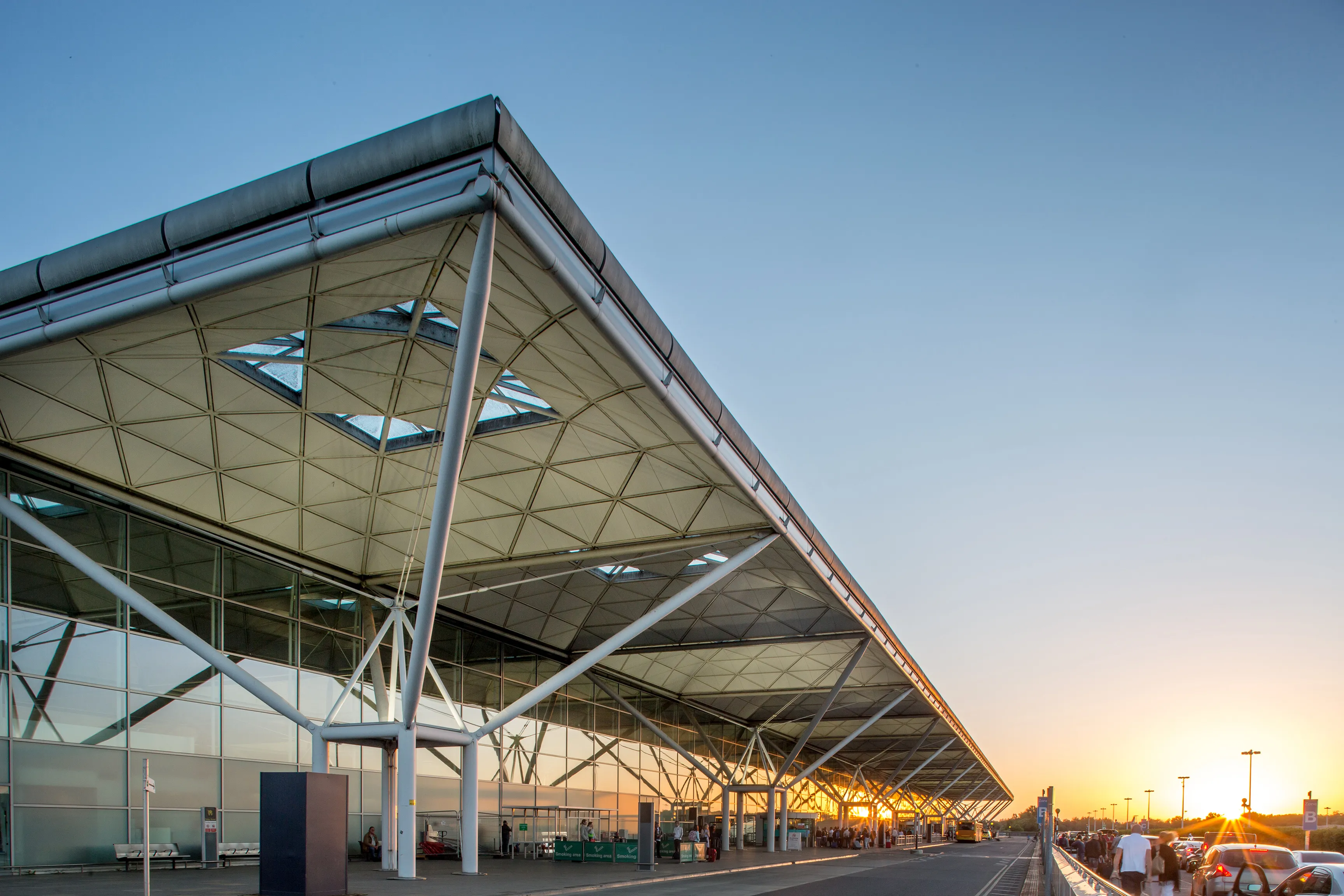
Videalert's cameras are helping to eliminate tailgating at London Stansted Airport as drivers attempt to leave the drop-off zones and short-term car parks without paying.
The CCTV enforcement cameras were supplied as part of an ongoing contract with NSL, a provider of parking enforcement services.
Steve Mills, surface access manager – landside operations at London Stansted Airport, says: “NSL has provided us with a cost effective enforcement solution that will enable us to rapidly achieve high levels of compliance, particularly in respect of the repeat offenders that try to avoid paying their parking charges.
“This has been a particular issue in short-term car parks where people have routinely stayed two weeks without paying,” Mills continues.
“The cameras will help us to eliminate lost parking revenues and improve safety for all passengers around the airport.”
The cameras have been installed at the exists of the drop-off zones and short-term parking.
Videalert says each camera monitors two lanes simultaneously capturing the number plates of every vehicle that passes through the barriers.
They transmit data to Videalert’s hosted digital video platform where evidence packs are automatically compiled for review by operators at NSL’s Oldham Shared Service Centre. Penalty charge notices are then sent to the owners of all vehicles committing an offence.
As part of the deal, NSL has provided the airport with a Videalert mobile enforcement vehicle (MEV) to reduce the incidence of drivers stopping or parking on access road verges – which are designated as no stopping areas.
According to Videalert, the MEV will act as a deterrent to the many taxis, private hire vehicles, friends and relatives that cause traffic congestion and safety issues in these areas by waiting to drop off or pick up passengers.
The vehicle comes with front and rear cameras and automatically captures the number plates of stopped vehicles in unattended mode and transmits footage to the Videalert platform, the company adds.
Videalert operations director Mark Jones says: “This is one of the first such installations of Videalert cameras on private land and demonstrates the breadth of our range of integrated transport and enforcement solutions.”