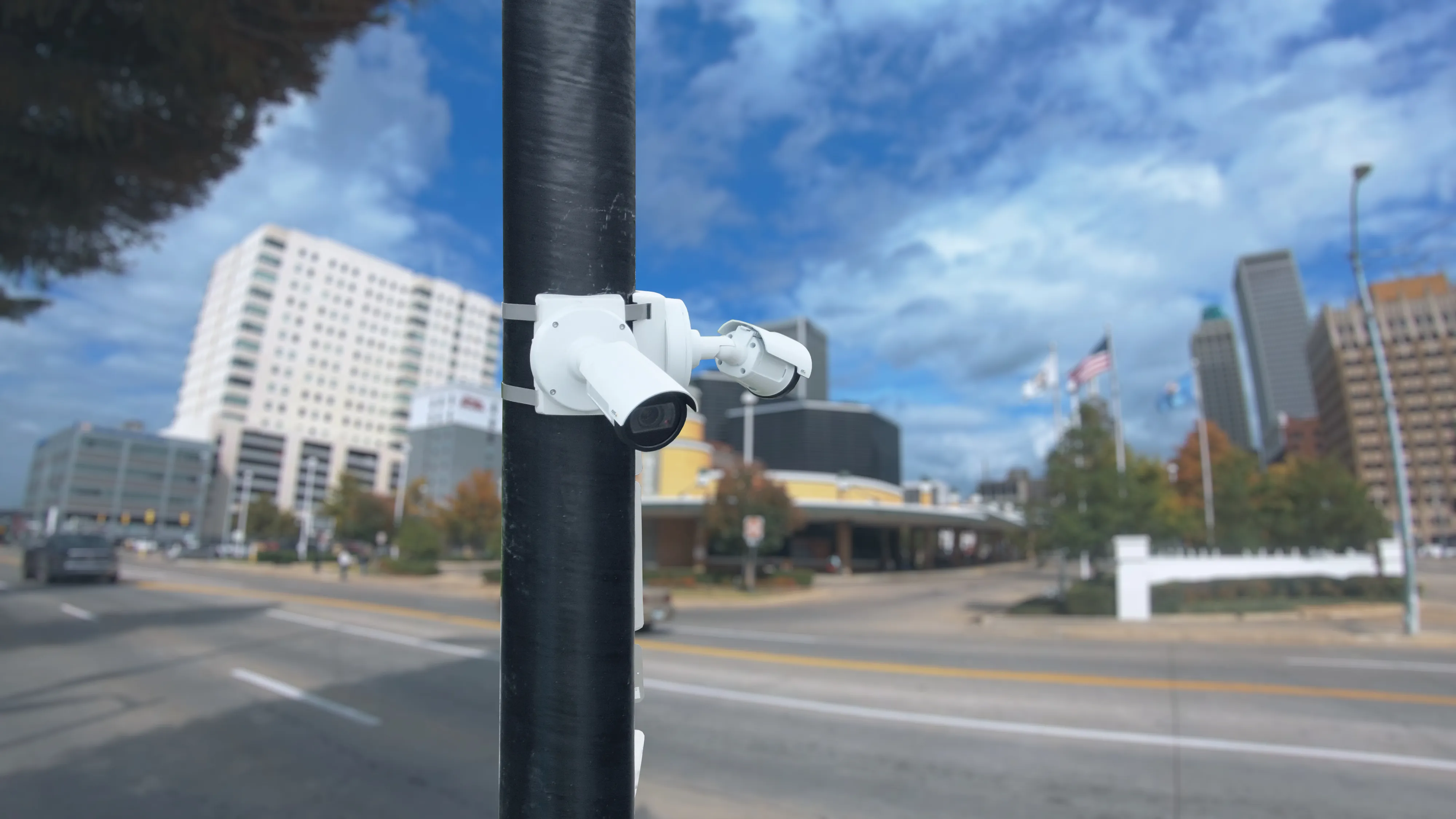
A platform from Rekor Systems is being integrated across the US state of Oklahoma to provide vehicle information associated with uninsured drivers.
The company says its Rekor One solution provides real-time detection of non-compliant vehicles and instant data consolidation into a regularly updating insurance database connected to the state’s enforcement programmes.
According to Rekor, the artificial intelligence technology identifies a vehicle’s make, model and colour—providing additional validation for confirming vehicle identification.
Once identified, drivers will receive a 'Notice to Respond', encouraging them to get insurance and comply with the law.
Uninsured motorists citied on the road by police officers can face fines, imprisonment, plate confiscation and reinstatement fees.
Rekor CEO Robert Berman says Oklahoma has “hundreds of thousands” of uninsured drivers which has “huge safety and financial implications for the state and its citizens”.
"Rekor One is a single turnkey solution that Rekor can deliver to any state,” Berman continues.
“It provides all the technology they need, with a high level of data security, to identify uninsured vehicles and take effective measures to ensure compliance.”
The deployment is part of the state's Uninsured Vehicle Enforcement Diversion (UVED) Program, which is operated by the Oklahoma District Attorneys Council.
Amanda Arnall Couch, director of the initiative, explains: “The goal of the UVED Program is to create safer roadways for Oklahoma citizens. Uninsured vehicles create negative consequences for innocent motorists as well as the State.”
A motorist enters the UVED Program by acquiring insurance and paying a $174 enrolment fee, thereby avoiding the possibility of criminal charges, associated penalties and a permanent mark on their driving record.
Rekor will receive a $43 processing fee for each UVED Program enrolment.
Additionally, the company will assist drivers by providing a web portal for uninsured motorists to find non-standard and standard insurance for their vehicle.
Rekor emphasises its platform only retains data when a vehicle is out of compliance and until the vehicle becomes insured.
No additional information is held or shared within the database, the company adds.
“With Rekor One’s cost-effective and multidimensional technology, we anticipate that many states will initiate similar programmes in the near future,” Berman predicts.
“An advantage of the Rekor One platform is that it can also be used to support multiple additional community safety, intelligent roadway and revenue generation activities.”