An audit of the state’s speed cameras has found that the Queensland Police Service (QPS) and the Department of Transport and Main Roads (TMR) in Australia have strayed from best practice in using the devices to reduce speeding, with a resultant effect on road safety, according to PSNews online.
In his report Road Safety: Traffic Cameras, Acting Auditor-General, Anthony Close found that in the past seven years the QPS had issued 3,760,962 speeding tickets from camera-based evidence, with TMR collecting AU

An audit of the state’s speed cameras has found that the Queensland Police Service (QPS) and the 7026 Department of Transport and Main Roads (TMR) in Australia have strayed from best practice in using the devices to reduce speeding, with a resultant effect on road safety, according to PSNews online.
In his report Road Safety: Traffic Cameras, Acting Auditor-General, Anthony Close found that in the past seven years the QPS had issued 3,760,962 speeding tickets from camera-based evidence, with TMR collecting AU$667.3 million (US$485 million) in fines.
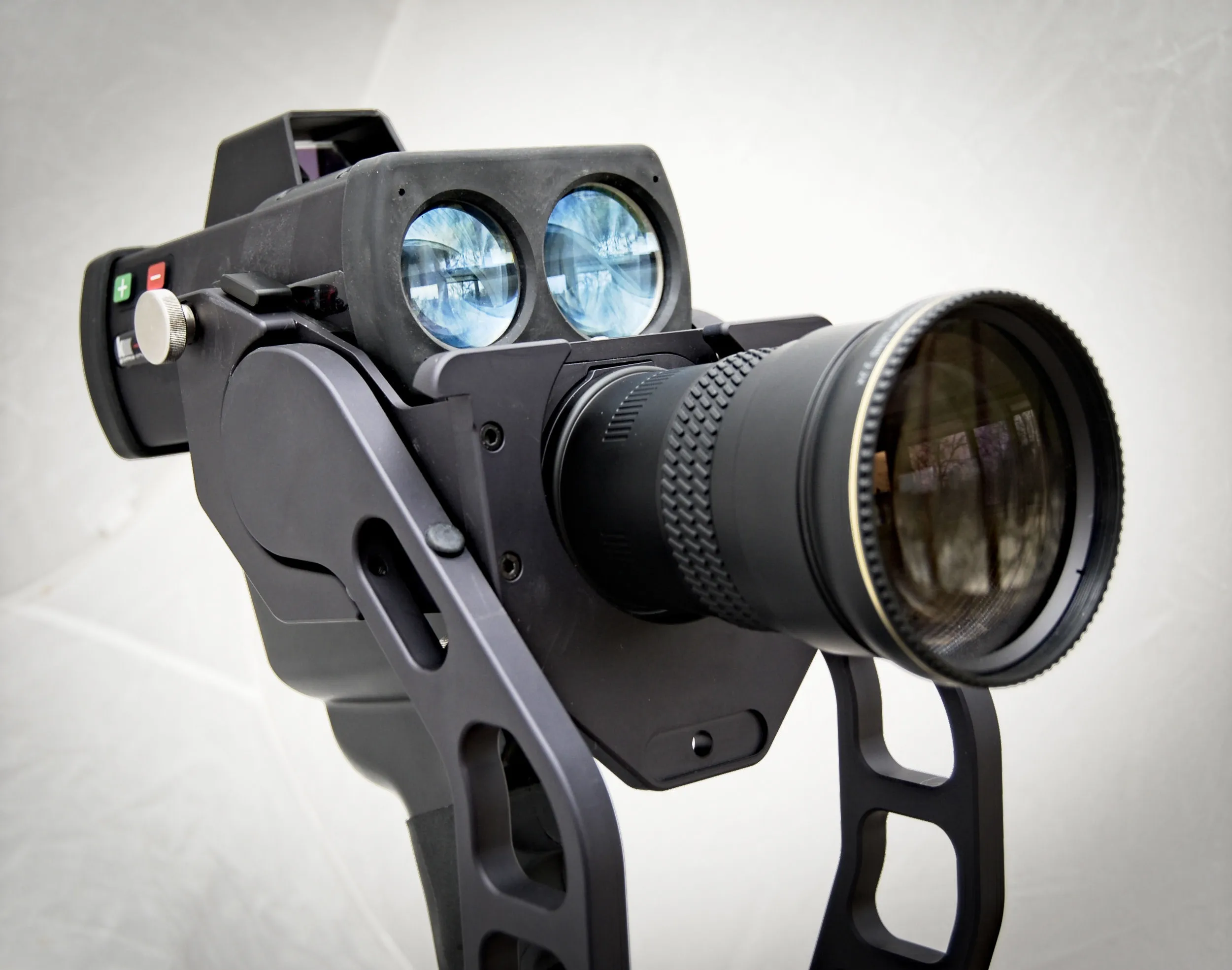
He found the numbers of cameras had grown from 50 mobile, three fixed and 36 red-light cameras in 2008–09 to 100 mobile, 41 fixed, seven combined speed and red-light and 74 red-light cameras and one point-to-point camera system this year.
Close said TMR and the QPS had worked together to combat speeding and disobeying traffic signals through the Camera Detected Offence Program (CDOP), including the use of fixed and mobile speed cameras and red-light cameras.
According to the audit, the CDOP was well designed in its conception, drawing on a strong body of research on effective road safety enforcement.
However, Close said it is not working as well as it could. “This means the frequency and severity of crashes caused by speeding are likely higher than necessary. The two primary aims of the program are to reduce speed-related road trauma and the number of speeding drivers,” he said, commenting that the key issue was getting the right balance between general and specific deterrence.
“The results from road safety research demonstrate that one of the best methods to deter motorists from speeding is by deploying mobile cameras in an unpredictable way across approved mobile camera sites,” Close said.
He claimed the QPS and TMR had acted slowly on known system and process limitations that primarily affected the quality of available data.
According to the audit, this has led to police losing confidence in the mobile camera site scheduling system, resulting in them adopting other approaches to select sites at which to deploy their mobile cameras.
Close said there was a need for stronger program governance to fix the known system and data issues to allow for more timely evaluations and monitoring of the program. He said it was time to implement the program as designed by deploying cameras to the right locations at the right time and mode, which would redress the imbalance between too much specific and not enough general deterrence.
In his report Road Safety: Traffic Cameras, Acting Auditor-General, Anthony Close found that in the past seven years the QPS had issued 3,760,962 speeding tickets from camera-based evidence, with TMR collecting AU$667.3 million (US$485 million) in fines.
He found the numbers of cameras had grown from 50 mobile, three fixed and 36 red-light cameras in 2008–09 to 100 mobile, 41 fixed, seven combined speed and red-light and 74 red-light cameras and one point-to-point camera system this year.
Close said TMR and the QPS had worked together to combat speeding and disobeying traffic signals through the Camera Detected Offence Program (CDOP), including the use of fixed and mobile speed cameras and red-light cameras.
According to the audit, the CDOP was well designed in its conception, drawing on a strong body of research on effective road safety enforcement.
However, Close said it is not working as well as it could. “This means the frequency and severity of crashes caused by speeding are likely higher than necessary. The two primary aims of the program are to reduce speed-related road trauma and the number of speeding drivers,” he said, commenting that the key issue was getting the right balance between general and specific deterrence.
“The results from road safety research demonstrate that one of the best methods to deter motorists from speeding is by deploying mobile cameras in an unpredictable way across approved mobile camera sites,” Close said.
He claimed the QPS and TMR had acted slowly on known system and process limitations that primarily affected the quality of available data.
According to the audit, this has led to police losing confidence in the mobile camera site scheduling system, resulting in them adopting other approaches to select sites at which to deploy their mobile cameras.
Close said there was a need for stronger program governance to fix the known system and data issues to allow for more timely evaluations and monitoring of the program. He said it was time to implement the program as designed by deploying cameras to the right locations at the right time and mode, which would redress the imbalance between too much specific and not enough general deterrence.